
The Ultimate Cryptocurrency Register Guide
\n
As of 2025, the cryptocurrency market has witnessed an astonishing growth, with a valuation exceeding $3 trillion. With this rising interest, many individuals are eager to dive into the world of digital assets. However, the first step often seems daunting: registering for a cryptocurrency platform. The absence of clear and straightforward guidance can lead potential investors to hesitation or misguided actions. That’s where this guide comes in. Here’s what you’ll gain: a detailed overview of how to register on a cryptocurrency platform, the necessary precautions, and tips for secure trading.
\n\n
Understanding Cryptocurrency Platforms
\n
Before we proceed, it’s essential to understand what cryptocurrency platforms are. Simply put, these platforms allow users to buy, sell, and trade cryptocurrencies. They can be categorized mainly into two types:
\n
- \n
- Exchanges: Centralized platforms where users can trade various cryptocurrencies.
- Wallets: Services designed to store your cryptocurrencies securely.
\n
\n
\n
With over 400 million crypto users globally, choosing the right platform matters significantly. The increasing demand for simplicity in cryptocurrency management has led to many platforms designing user-friendly interfaces, aiming to help both beginners and experienced traders.
\n\n
Why You Need to Register
\n
Let’s break it down. Registering on a crypto platform brings you several benefits:
\n
- \n
- Security: Secure storage for your cryptocurrencies.
- Trading Opportunities: Access to various trading pairs and investment opportunities.
- Portfolio Management: Tools to track your investments and performance.
\n
\n
\n
\n
Nowadays, the common phrase “It’s not a financial revolution; it’s a financial evolution” rings true. As more people recognize the potential of cryptocurrencies, ensuring that you’re set up correctly from the start is pivotal for success.
\n\n
Steps to Register on a Cryptocurrency Platform
\n
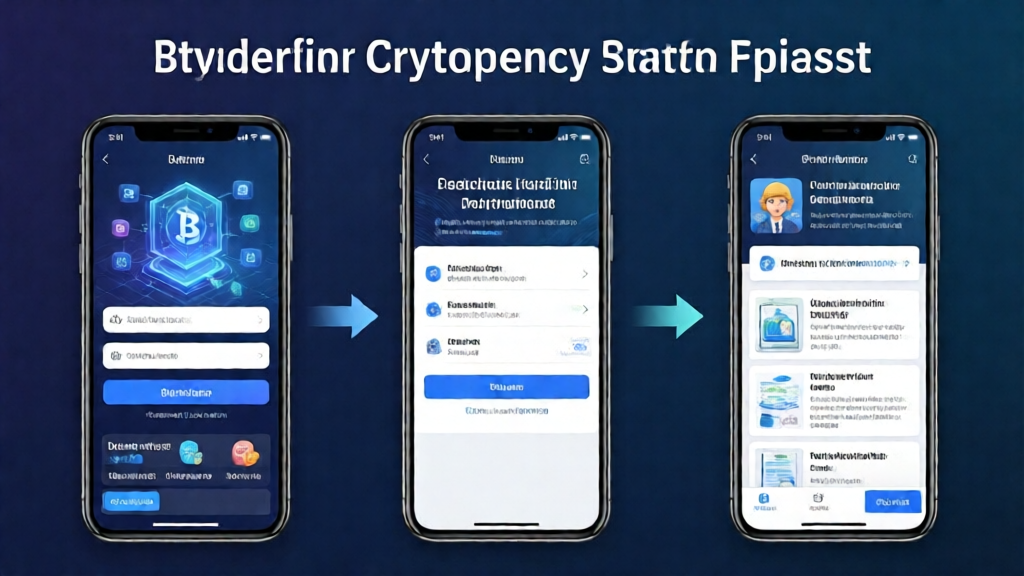
Now that you understand the importance, let’s walk you through the registration process. Each platform might have slight variations, but the core steps remain consistent. Here’s a simple guide:
\n
- \n
- Choose a Reputable Platform: Conduct thorough research. Check user reviews and platform security measures prior to registration. For instance, platforms like Binance and Coinbase hold licenses in multiple jurisdictions, adding a layer of trust.
- Create an Account: Most platforms will require you to fill out a registration form with basic personal information.
- Verify Your Identity: Due to legal requirements, you might need to provide identification. This step is essential for maintaining security and compliance. Ensure your ID is current and valid.
- Secure Your Account: Once you’re registered, enable two-factor authentication (2FA). This step remarkably reduces the risk of unauthorized access and increases your account’s overall security.
- Top Up Your Account: Link your bank account or credit card to fund your wallet. You can often deposit in various currencies, including fiat and stablecoins, enabling greater flexibility.
\n
\n
\n
\n
\n
\n
Keep in mind—having a secure registration process doesn’t guarantee your funds’ safety. For instance, using hardware wallets such as the Ledger Nano X can enhance your asset security significantly.
\n\n
Common Registration Challenges and How to Overcome Them
\n
While registering on a cryptocurrency platform might seem straightforward, users often encounter common challenges. Here’s how to navigate through them:
\n
- \n
- Identity Verification Delays: If there’s a delay in verifying your identity, ensure your documentation is clear and legible. Some platforms may have specific requirements for verification; follow these precisely.
- Password Issues: Always use a strong and unique password. A password manager can help store and manage your passwords securely.
- User Interface Confusion: Take time to familiarize yourself with the platform layout. Most exchanges offer tutorial videos that highlight their features and tools.
- Withdrawal Limits: Many platforms impose a limit on daily withdrawals for new accounts. Familiarize yourself with these limits early on to manage your funds effectively.
\n
\n
\n
\n
\n
In 2022, approximately 30% of investors reported confusion regarding platform interfaces, hindering their ability to navigate platforms effectively.
\n\n
Staying Informed Post-Registration
\n
Once your account is set up, what’s next? Well, staying updated on the latest market trends and security measures is crucial. Here’s how:
\n
- \n
- Regularly Research: Engage with community forums and stay updated with industry news through platforms like CoinDesk and CoinTelegraph.
- Participate in Learning Platforms: Websites like Binance Academy and e-learning platforms often offer cryptocurrency courses. Utilize these resources to bolster your knowledge.
- Practice Caution: Stay aware of scams. Phishing attacks peaked in 2022, with hackers targeting new traders. Always verify URLs before entering any personal details.
\n
\n
\n
\n
The 2025 report by the Global Cryptocurrency Association indicates that more than 60% of crypto users actively study market trends to make informed trading decisions.
\n\n
Conclusion
\n
In conclusion, registering on a cryptocurrency platform is a pivotal step for anyone looking to engage with this innovative financial ecosystem. By following the guide above, you can minimize roadblocks and ensure a secure, efficient trading experience.
\n
As the cryptocurrency market evolves, so will the tools and platforms available to users. With resources like btcmajor to guide you, navigating this world can be less intimidating. Always seek out reputable knowledge sources—security and trust are paramount.
\n
Dr. John Smith is a financial technology expert with over 15 published papers in blockchain and crypto audits. He has overseen numerous well-known projects in the industry and aims to educate individuals on secure trading practices.