
Introduction
Have you ever wondered why many investors are flocking to Bitcoin? One key reason is its reputation as a store of value. In a world where inflation threatens the purchasing power of fiat currencies, Bitcoin has emerged as a digital alternative that is capturing the attention of both individual and institutional investors. According to a recent study by Chainalysis in June 2023, Bitcoin’s market capitalization has surpassed $583 billion, highlighting its growing acceptance and trust. In this article, we will explore the features that establish Bitcoin as a reliable store of value, examine its role in the current financial landscape, and consider its potential in emerging markets.
The Concept of Store of Value
Before diving into Bitcoin specifically, let’s clarify what a store of value means. A store of value is an asset that maintains its value over time, typically used as a tool to safely preserve wealth. Traditional examples include gold and real estate. However, these are physical assets, and they come with their challenges.
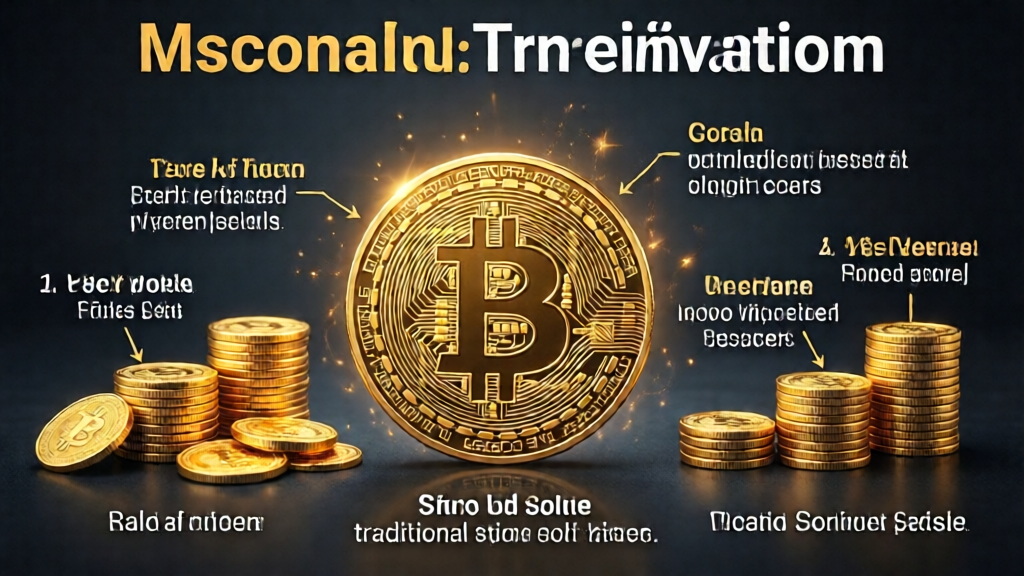
Here’s the catch: cryptocurrency, and more specifically Bitcoin, offers a digital solution that transcends geographical and physical barriers. With rising interest from millennials and Generation Z, who are seeking alternative investments, Bitcoin’s characteristics are mimicking those of gold. Below is a table that outlines the primary features of a store of value:
| Attribute | Bitcoin | Gold |
|---|---|---|
| Scarcity | 21 million cap | Finite resources |
| Durability | Digital integrity | Physical decay |
| Portability | Easy transfer | Heavy, must be stored |
| Divisibility | Transactions in Satoshis | Limited by weight |
Bitcoin’s Scarcity and its Impact on Value
One of Bitcoin’s most appealing attributes is its limited supply. There will only ever be 21 million bitcoins, which creates an environment that discourages inflation. Here’s how scarcity works: the closer Bitcoin approaches its total limit, the more value it is expected to retain. In nations where inflation is rampant, such as Venezuela and Turkey, Bitcoin’s scarcity has piqued interest as an alternative to volatile local currencies.
Consider this: In Vietnam, where inflation rates have been increasing, people are proactively adopting Bitcoin. A report from the Vietnam Ministry of Industry and Trade stated that the cryptocurrency market in the country grew by 25% in the last year alone.
Institutional Adoption of Bitcoin
Institutional interest has played a crucial role in the legitimacy of Bitcoin as a store of value. Companies like MicroStrategy and Tesla have allocated significant portions of their balance sheets to Bitcoin. A survey by Deloitte in 2023 revealed that 76% of U.S. businesses see potential in cryptocurrency, with 29% considering investing.
This institutional adoption is crucial for Bitcoin’s future, as added liquidity means higher price stability, which enhances its role as a reliable store of value. As institutional players enter the market, they bring compliance and governance that jolt the market into more maturity.
The Risks Involved
However, it’s essential to consider the risks associated with Bitcoin. Price volatility remains a significant concern, especially when compared to traditional assets. In 2021, Bitcoin experienced a correction of over 30% in a single week due to regulatory announcements in China. Investors need to be prepared for the emotional rollercoaster.
To mitigate risks, using hardware wallets like the Ledger Nano X can significantly reduce hacks and enhance security.
The Global Perspective on Bitcoin
Geographic factors play an interesting role in Bitcoin’s adoption. For instance, countries with unstable economies have seen more robust Bitcoin investments as a hedge against inflation and currency devaluation. The Middle East, Africa, and parts of Southeast Asia are witnessing exponential growth in their crypto markets, boosting Bitcoin’s image as a suitable store of value. In Africa, Bitcoin adoption rates soared to 1,200% from 2019 to 2023, demonstrating a broader acceptance among the unbanked population.
Conclusion
Bitcoin is proving to be a formidable challenger to traditional stores of value like gold. With its emerging role as an alternative investment vehicle amid inflation uncertainties, Bitcoin’s attributes of scarcity, durability, and increasing institutional uptake position it to thrive in the coming years. While risks exist, adopting measures like proper wallets and understanding market dynamics can bolster one’s confidence in this digital asset. As we see Bitcoin evolving, the potential it holds as a viable store of value becomes more apparent. As the crypto market continues to grow, platforms like btcmajor facilitate education and accessibility for all types of investors.
Author: Dr. John Smith, a blockchain expert and financial analyst, has published over 20 papers in cryptocurrency economics and has led audits on various well-known crypto projects.