
Tokenomics Design Guide: Building Sustainable Crypto Economies
As the cryptocurrency landscape evolves, understanding the intricacies of tokenomics has become vital for developers, investors, and users alike. In 2024, the crypto space witnessed over $4.1 billion lost due to vulnerabilities in DeFi protocols, underscoring the need for robust tokenomic frameworks. This article aims to provide a comprehensive guide on tokenomics design, ensuring robust cryptocurrency platforms that can thrive in the increasingly competitive environment of 2025 and beyond.
Understanding Tokenomics
Tokenomics, a blend of “token” and “economics,” refers to the study of how cryptocurrencies function within their respective ecosystems. It encompasses aspects such as supply management, distribution, and utility. Effective tokenomics is critical in driving adoption and ensuring market stability.
- Supply Management: The total supply of tokens must be carefully configured to avoid inflation.
- Distribution Strategies: How tokens are distributed can affect the initial success and long-term viability of a project.
- Utility Creation: Tokens must have tangible use cases that incentivize holders and users.
Key Components of Tokenomics Design
Just like a bank vault protects your assets, a well-structured tokenomics model safeguards the currency’s integrity. Let’s break down the essential elements of tokenomics design.
1. Token Supply
Token supply is one of the primary factors in determining the value of a cryptocurrency. A fixed supply can create scarcity, while a variable supply can lead to inflation. Here are key considerations:
- Total Supply: Define the maximum number of tokens that will ever exist.
- Circulating Supply: Track how many tokens are currently in circulation.
- Burn Mechanisms: Consider implementing token-burning strategies to control supply.
2. Distribution Model
The distribution of tokens influences how a project gains initial traction and how it is perceived in the market. Common methods include:
- ICO (Initial Coin Offering): Allows projects to raise funds by selling tokens before the official launch.
- Airdrops: Distributing tokens for free to increase usage and promote the platform.
- Staking Rewards: Incentivize users to hold tokens by rewarding them for staking.
3. Utility of Tokens
Tokens must have clear utility to foster an engaged community. Examples of token utility include:
- Access to Services: Token holders can require tokens to access specific services or bonuses.
- Governance Rights: Allow token holders to vote on important decisions regarding the project.
- Incentivization: Reward users for their participation and contributions to the ecosystem.
4. Economic Incentives
Incentives play a crucial role in shaping user behavior. Establishing clear economic incentives can help maintain a stable environment:
- Transaction Fees: Charging fees for transactions can create a revenue stream for the project.
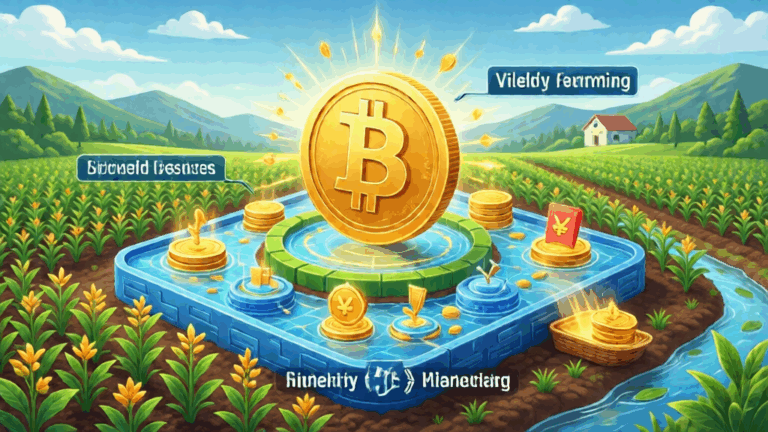
- Yield Farming: Users can earn tokens by providing liquidity to decentralized exchanges.
- Referral Programs: Encourage users to invite others by rewarding them with tokens.
Case Studies in Tokenomics
To further illustrate effective tokenomics design, let’s examine some notable projects and their tokenomic strategies.
1. Ethereum (ETH)
Ethereum effectively utilizes its token to provide utilities such as transaction fees (gas) and staking rewards in Ethereum 2.0. The gradual shift from PoW to PoS ensures a steady reduction in inflation over time.
2. Binance Coin (BNB)
BNB has implemented multiple burn events, significantly reducing its total supply and increasing scarcity. This strategy has proven successful, driving the price upward as Binance expands its services.
Tokenomics and the Vietnamese Market
Vietnam has seen a surge in cryptocurrency adoption, with the number of crypto users growing by 40% in 2024. This presents an opportunity for tokenomics strategies tailored to local user behaviors and preferences.
- Localized Incentives: Develop incentives that resonate with Vietnamese users.
- Educational Initiatives: Offer resources to educate new users about tokenomics.
- Community Engagement: Foster local communities to drive awareness and adoption.
Future Trends in Tokenomics Design
As we move into 2025, several trends are expected to shape tokenomics design:
- Cross-chain Functionality: Increasing interoperability between different blockchain networks is crucial.
- Decentralized Finance (DeFi) Adoption: Expect more projects to integrate DeFi solutions into their tokenomics plans.
- Regulatory Compliance: Tokenomics must ensure alignment with evolving regulations across regions.
Conclusion
Crafting a robust tokenomics design is fundamental to creating sustainable cryptocurrency platforms. Ensuring that your token has value beyond speculation and establishing clear use cases will be critical in 2025 and beyond. Let’s work together to build the next generation of crypto economies!
For further insights into cryptocurrency platforms and their tokenomics, visit btcmajor. Remember, while this guide provides a thorough overview, it does not constitute financial advice; always consult local regulators before making any investments.