
Introduction
As the world of finance evolves, investors are continually seeking avenues for returns that not only guarantee safety but also promise significant yields. With the rise of blockchain technology, the options have expanded, presenting unique investment vehicles such as real estate tokens and stablecoins. In 2024 alone, approximately $4.1 billion was lost to DeFi hacks, pushing investors to weigh their risk appetite against potential returns. This article aims to provide a comprehensive comparison of real estate token yields versus stablecoin yields, helping you navigate these two burgeoning sectors.
The Basics of Real Estate Tokens and Stablecoins
Before diving deeper into the comparative yields, let’s clarify what real estate tokens and stablecoins are:
- Real Estate Tokens: These are blockchain-based representations of ownership in real estate properties, providing fractional ownership and enabling broader access for investors. They can potentially yield returns through rental income and property appreciation.
- Stablecoins: Cryptocurrencies pegged to stable assets such as fiat currencies (e.g., USD) or commodities (e.g., gold). They serve as a hedge against market volatility, offering consistent yields through various lending protocols.
Understanding Yield Metrics
Yield is a critical metric in investment, indicating the income generated relative to the investment size. Here, we will discuss two primary yield metrics relevant to our comparison:
- Rental Yield for Real Estate Tokens: This refers to the annual rental income divided by the property’s market value. A higher rental yield indicates better returns.
- Stablecoin Yield: This typically refers to the interest earned when stablecoins are lent out or staked in various DeFi protocols.
Yield Comparison: Real Estate Tokens vs Stablecoins
Now let’s draw a direct comparison between these two yields:
| Investment Type | Average Yield (Annual) | Risk Level |
|---|---|---|
| Real Estate Tokens | 5% – 12% | Medium |
| Stablecoins | 2% – 8% | Low |
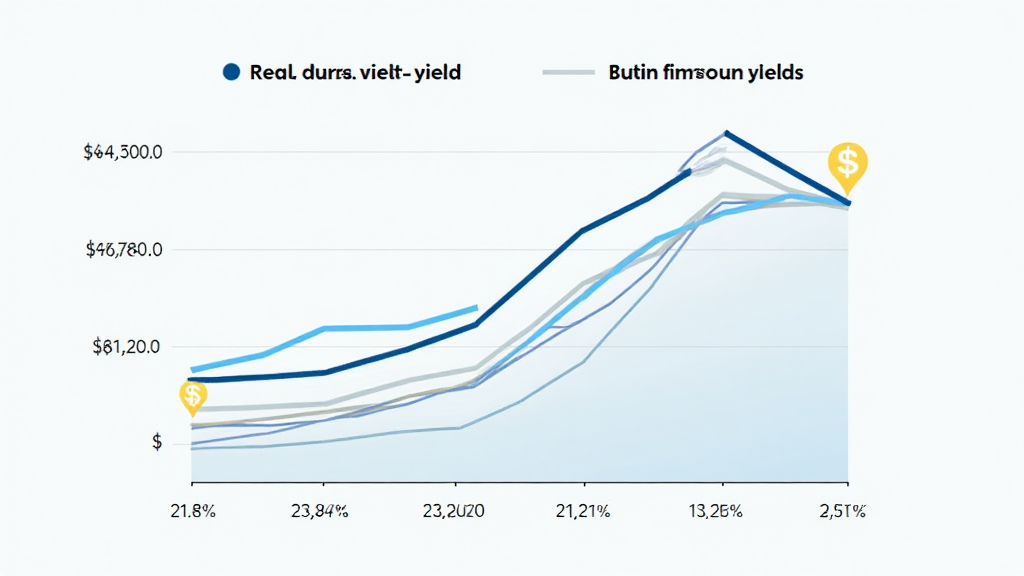
According to Chainalysis 2025 projections, investing in real estate tokens can yield annual returns ranging from 5% to 12%, while stablecoins typically yield between 2% and 8%. The risk level associated with real estate tokens is medium due to market fluctuations, while stablecoins offer a low-risk profile, making them an attractive option for conservative investors.
Market Trends and Insights
The growth trajectory of each investment type is influenced by various factors. In Vietnam, for instance, the cryptocurrency market is expanding. With a user growth rate of 15% annually, it is vital to understand how these trends affect yields. For real estate tokens in Vietnam, the increasing popularity and adoption of proptech (property technology) are leading to more significant investments in blockchain-powered real estate.
In contrast, the stablecoin market is gaining traction, particularly amidst regulatory frameworks being established across Southeast Asia. Stablecoins, by virtue of their stable nature, are appealing to traditional investors transitioning to digital assets.
Real-World Applications
Let’s break it down with some real-world applications:
- Real Estate Tokens: Platforms like Investing.com allow you to invest in fractional ownership of luxury properties, experiencing the dual benefit of rental income and capital appreciation.
- Stablecoins: By staking USDC on a lending platform, users can earn yields as high as 8% annually, all while maintaining exposure to traditional USD stability.
Conclusion
In conclusion, both real estate tokens and stablecoins offer unique socio-economic benefits. While real estate tokens provide the potential for significant returns through property appreciation and rental yield, stablecoins offer lower-risk, consistent yields ideal for those who prioritize capital preservation. Understanding your financial goals and risk tolerance is paramount when choosing between these two investment options.
Deciding on these investments should consider both current market trends and future developments in the blockchain space. With the right approach, either investment could be a beneficial addition to your portfolio. Remember, not financial advice; always consult local regulators before making investment decisions.
Finally, for more resources like this, check out btcmajor.
Author: Dr. Nguyễn Văn An, a seasoned blockchain consultant with over 50 published papers in the field and an expert in auditing several high-profile blockchain projects.