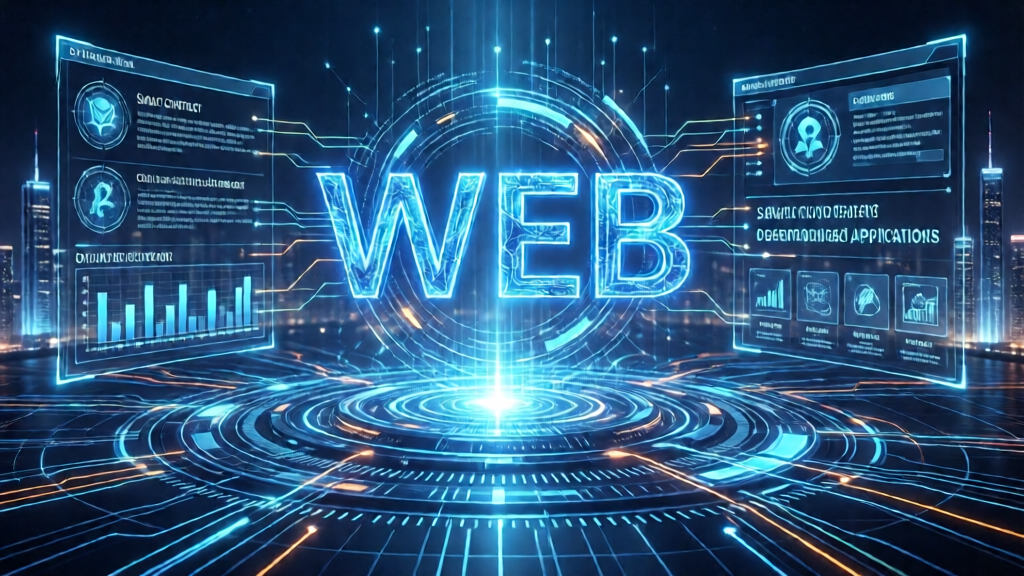

Web3 Future Technology: Shaping Tomorrow’s Digital Landscape
In 2024 alone, losses due to DeFi hacks amounted to a staggering $4.1 billion, underscoring the urgent need for improved security protocols in decentralized finance (DeFi) systems. As we venture into the era of Web3 future technology, it’s clear that the integration of advanced technology and security measures will play a pivotal role in shaping the future of digital interactions.
This article delves into the transformative potential of Web3, examining its foundations, applications, and implications for both users and developers. Let’s explore how these technologies not only redefine financial ecosystems but also enhance security measures globally.
The Evolution of Web Technologies
Before diving into the specifics of Web3 technology, it’s essential to understand its predecessors. The internet has evolved from Web1, a read-only platform where users consumed data, to Web2, which introduced interactivity and user-generated content. Now, we stand at the threshold of Web3—a decentralized web aimed at empowering users.
- Web1: Static content with limited interaction.
- Web2: Dynamic content, enabling social media and user engagement.
- Web3: Decentralization, enabling direct peer-to-peer interactions.
Understanding Web3 and Its Core Components
At its core, Web3 seeks to decentralize the internet using blockchain technology, smart contracts, and decentralized applications (dApps). This shift allows individuals to have more control over their data, assets, and identities.
Core components of Web3 include:
- Blockchain: The distributed ledger technology that securely records transactions.
- Smart Contracts: Self-executing contracts with the terms directly written into code.
- dApps: Applications that run on a decentralized network, minimizing reliance on a single entity.
The Role of Decentralization in Web3
Decentralization is one of the fundamental principles of Web3 future technology. By removing intermediaries, users can engage directly with each other, leading to enhanced privacy and reduced costs.
Consider the traditional banking system as a centralized entity. In contrast, Web3 allows users to hold digital assets directly in their wallets, enhancing security and privacy. This paradigm shift is akin to converting a traditional bank vault into a personal safe, where only the user has access.
Security Standards in Web3
With the rise of Web3, ensuring security is paramount. As mentioned earlier, the dangers associated with DeFi hacks prompt developers to implement stringent security protocols. One such standard is the tiêu chuẩn an ninh blockchain, which focuses on protecting users against vulnerabilities inherent in blockchain applications.
Key security measures include:
- Regular Audits: Continuous audits ensure that smart contracts remain secure over time.
- Multi-Signature Wallets: Requiring multiple approvals before transactions are executed, this measure increases security.
- Bug Bounty Programs: Incentivizing developers and ethical hackers to find vulnerabilities enhances overall system security.
The Future of Web3: Opportunities and Challenges
The future of Web3 presents numerous opportunities for innovation, collaboration, and community governance. However, several challenges must be addressed to ensure widespread adoption.
1. **User Education**: For the transition to Web3 to succeed, users must understand the technology, its benefits, and how to use it securely. Educational initiatives will be crucial.
2. **Regulatory Compliance**: The decentralized nature of Web3 poses significant regulatory challenges. Engaging with local regulators to ensure compliance can help mitigate legal risks.
3. **Interoperability**: For Web3 to thrive, different blockchain networks must communicate seamlessly. Ongoing development of interoperability protocols will be essential.
Web3 in Market Context: User Growth and Adoption Trends
According to recent data from Chainanalysis 2025, there has been a noticeable surge in the number of users engaging with Web3 technologies in the United States. The growth rate is expected to increase, further driving innovation and investments in the space.
- 2023 Growth Rate: 40% increase in Web3 platform users.
- Projected 2025 Growth: User base expected to double compared to 2023.
Practical Tools for Web3 Users
In light of the evolving landscape, several tools have emerged to assist users in navigating Web3 securely:
- Ledger Nano X: A hardware wallet that significantly reduces hacks and allows users to manage their cryptocurrencies securely.
- MetaMask: A popular wallet that enables users to interact with decentralized applications seamlessly.
- Chainlink: A decentralized oracle network that enhances the capabilities of smart contracts.
Conclusion: Embracing the Web3 Future
Web3 future technology is not just a trend; it represents a paradigm shift in how we interact with technology, finance, and data privacy. As users and developers alike embrace these changes, the focus must remain on security, usability, and education to ensure successful and sustainable adoption.
Ultimately, the transition to a decentralized, user-centric internet promises to create a more equitable digital landscape. As we move forward, the commitment to the principles of Web3 will be essential in realizing its full potential.
To stay informed on the latest developments in the world of cryptocurrency and blockchain technology, visit btcmajor.
Written by Dr. Jamie S. Allison, a blockchain technology expert with over 20 published articles in the fields of cryptocurrency and cybersecurity. Dr. Allison has also led security audits for several high-profile projects.