
What is Blockchain Technology Explained
In 2024, the world witnessed an astounding $4.1 billion lost to DeFi hacks, highlighting the urgent need for robust security measures. But how does blockchain technology fit into this picture? As both a revolutionary technology and a robust security standard, blockchain promises to change the way we manage digital assets.
This comprehensive guide will delve into what blockchain technology is, how it works, its various components, potential applications, and the future it holds, especially for markets such as Vietnam. With blockchain adoption steadily rising, understanding its mechanisms and security standards has never been more critical.
Understanding Blockchain: Basics and Terminology
What is Blockchain?
At its core, blockchain is a decentralized digital ledger that records transactions across multiple computers. This ensures that the recorded transactions cannot be altered retroactively without the alteration of all subsequent blocks—this is where its security lies.
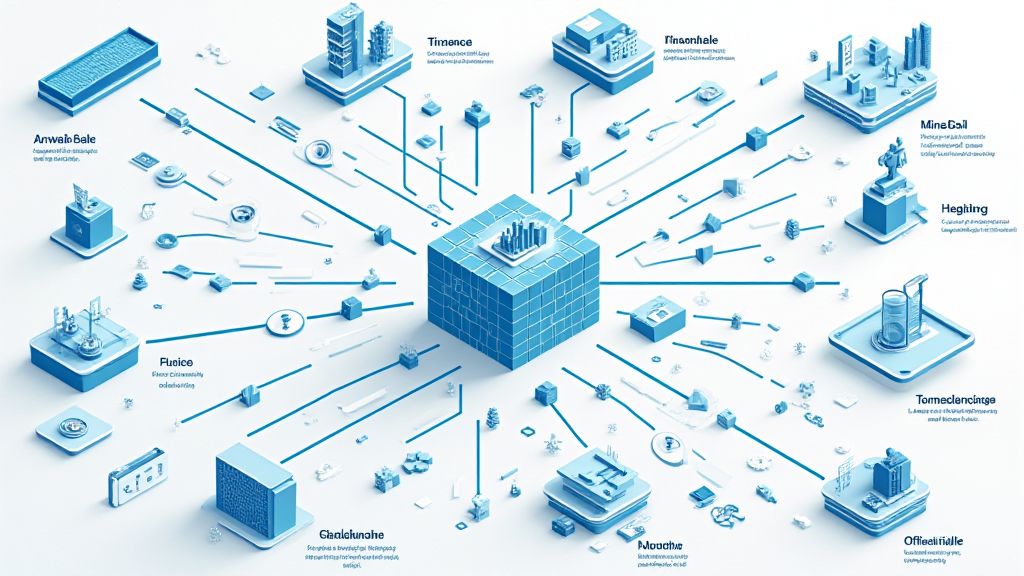
Key Components of Blockchain
- Blocks: Individual records that contain transaction data.
- Nodes: Computers that store and maintain copies of the blockchain.
- Miners: Participants who validate transactions and add them to the blockchain.
- Consensus Protocols: Rules that nodes follow to agree on the validity of transactions.
How Blockchain Works
To illustrate how blockchain operates, let’s break it down:
- When a transaction occurs, it is grouped with other transactions into a block.
- This block is then sent to a network of nodes.
- The nodes validate the transactions through a consensus mechanism, confirming its authenticity before adding it to the chain.
- Once validated, the block is linked to the previous block, forming a secure chain.
Consensus Mechanisms Explained
Consensus mechanisms are crucial for blockchain’s operation and security. They ensure all nodes agree on the current state of the blockchain, thus preventing fraud and maintaining integrity. Here are a few widely used types:
Proof of Work (PoW)
Utilized by Bitcoin, miners compete to solve complex mathematical problems to validate transactions. While secure, it is criticized for high energy consumption.
Proof of Stake (PoS)
In PoS, validators are chosen based on the number of coins they hold and are willing to “stake” as collateral. This method is more energy-efficient.
Delegated Proof of Stake (DPoS)
This method allows stakeholders to elect delegates to validate transactions on their behalf, enhancing speed and scalability.
Blockchain Security Standards: What You Need to Know
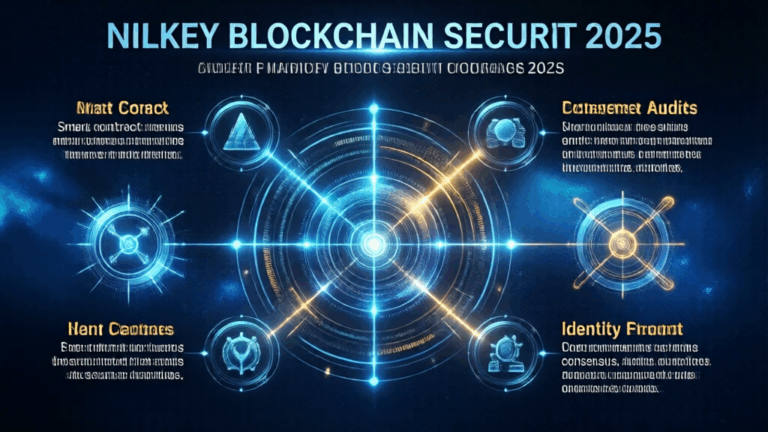
With the rapid growth of blockchain, ensuring security is imperative. In 2025, security practices will evolve, focusing on advanced cryptographic techniques and compliance with regulations such as tiêu chuẩn an ninh blockchain.
- Smart Contract Audits: Ensuring smart contracts are free from vulnerabilities before deployment.
- Chain Analysis: Monitoring and auditing chains for unusual activities.
- Penetration Testing: Simulating attacks to discover security weaknesses.
Potential Applications of Blockchain
Blockchain‘s utility extends beyond cryptocurrency. Here are some sectors set to embrace this technology:
Finance
Finance is the most well-known application. Cryptocurrencies and decentralized finance (DeFi) innovations are providing alternative financial services, reducing transaction costs, and increasing transaction speeds significantly.
Supply Chain Management
Blockchain provides real-time tracking of goods, providing transparency, efficiency, and fraud reduction in supply chains.
Healthcare
In healthcare, patient records can be securely shared among providers with patients’ consent, ensuring data privacy and security.
The Future: Blockchain in Vietnam and Beyond
Vietnam has seen a 35% increase in blockchain adoption among businesses, with potential to grow even further. Vietnamese startups are increasingly exploring blockchain for various applications, making it crucial for local stakeholders to understand this technology’s fundamentals.
Conclusion: The Road Ahead for Blockchain Technology
As we move toward 2025, blockchain technology will not just evolve but expand its functionalities to fulfill the security standards needed in today’s digital age. The future is promising for blockchain, especially in markets like Vietnam.
Understanding what blockchain technology is and how it works is essential for anyone connected to the digital economy. Be sure to stay informed and prepared for the changes this technology will bring.
For more resources on cryptocurrency, check out our guide and explore the vast opportunities offered by blockchain innovation.