
Decoding the Web3 Token Economy: A Comprehensive Analysis
With $4.1 billion lost to DeFi hacks in 2024, understanding the Web3 token economy is essential for anyone navigating the digital asset space. As blockchain technology continues to evolve, the rise of decentralized applications has reshaped how we perceive value, ownership, and transactions. In this article, we will explore the intricacies of the token economy, its implications for innovation, and its transformative potential in the financial landscape. We’ll also provide actionable strategies for successful participation in this growing ecosystem.
Understanding Web3 and Its Token Economy
The Web3 token economy is characterized by decentralized networks and blockchain technology, enabling transparency, security, and programmability. It’s essential to clarify what we mean by the term Web3. Essentially, Web3 represents the next phase of the internet – a decentralized version that emphasizes user control and privacy.
The Core Concepts of Web3
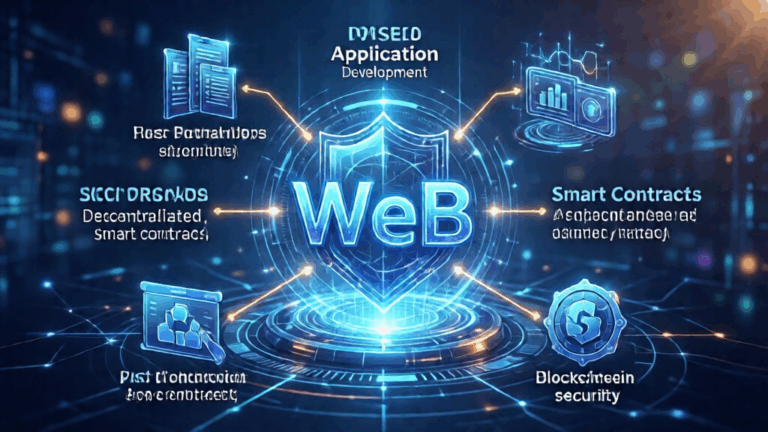
- Decentralization: Unlike its predecessors, Web3 operates on decentralized architecture, removing reliance on central servers.
- Tokenization: Value is represented through tokens which can signify ownership, access rights, or services.
- Smart Contracts: Self-executing contracts with the terms of the agreement directly written into code.
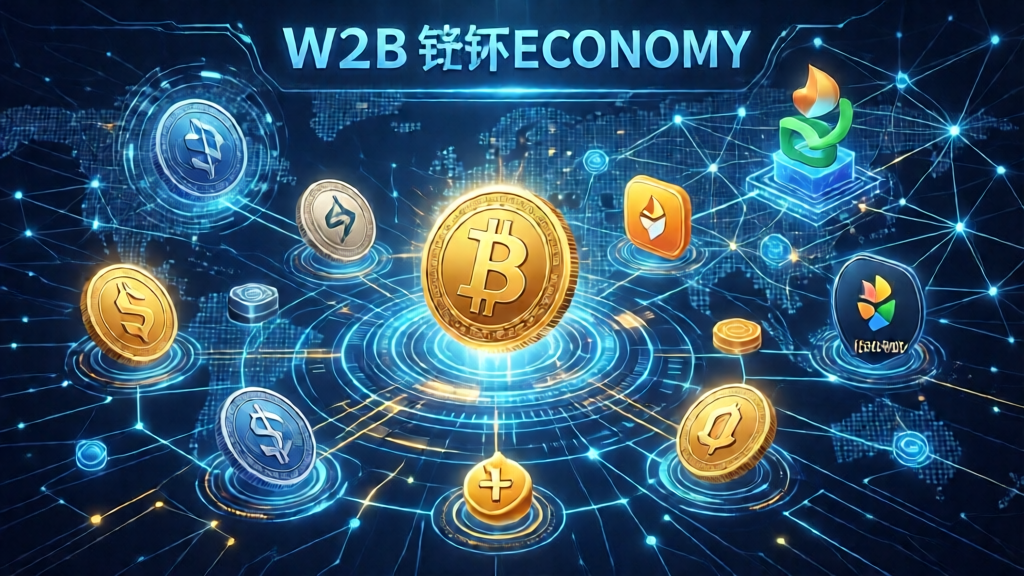
In this context, tokens serve multiple purposes, from utility tokens that power applications to security tokens representing ownership of underlying assets.
The Evolution of Tokens in Web3
Tokens have evolved significantly from simple cryptocurrencies to complex financial instruments. This evolution can be divided into three phases:
- Initial Coin Offerings (ICOs): Predominantly used in 2017-2018, ICOs allowed startups to raise capital by issuing new tokens.
- Initial DEX Offerings (IDOs): Emerging in the DeFi wave of 2020, IDOs provide liquidity immediately and eliminate the need for intermediaries.
- Non-Fungible Tokens (NFTs): NFTs represent ownership of unique digital assets and have opened new revenue streams in digital art and gaming.
This evolution marks a transition towards more sophisticated mechanisms of value creation and exchange, significantly impacting various industries.
Opportunities Within the Web3 Token Economy
The Web3 token economy creates numerous opportunities:
1. New Revenue Models
- Content creators can tokenize their work and sell directly to fans, removing middlemen.
- Businesses can leverage tokens for loyalty programs, incentivizing consumer engagement.
2. Investment Horizons
- Investors can diversify by investing in various tokens, from governance tokens to stake-based yields.
- Decentralized finance platforms offer innovative lending and borrowing solutions.
3. Access to Global Markets
- The Web3 ecosystem allows users from different regions to participate, breaking down traditional barriers.
- Regulatory advancements in countries like Vietnam (“tiêu chuẩn an ninh blockchain”) enhance user confidence.
Challenges in the Web3 Token Economy
Despite the potential, the Web3 token economy faces challenges that stakeholders must navigate:
Security Risks
With more than $4 billion lost to hacks recently, securing assets is paramount. Here’s the catch: security is only as strong as the weakest link.
Regulatory Hurdles
Governance and compliance must keep pace with innovation. Regulatory ambiguity poses risks for investors and developers alike.
User Experience
The complexity of interactions can deter mainstream adoption. Simplified processes and enhanced UI/UX designs are essential for access.
How to Engage with the Web3 Token Economy
Here’s how to step into the Web3 token economy effectively:
1. Educate Yourself on Tokenomics
Understanding tokenomics is crucial. Key metrics to review include total supply, market capitalization, and community support.
2. Diversify Your Portfolio
Diversification mitigates risk. Consider investing in different types of tokens, including stablecoins and governance tokens.
3. Stay Informed on Market Trends
Regularly review market data. According to research, U.S. users in the crypto space have seen a consistent growth rate of 25% annually, indicating robust adoption.
The Future of the Web3 Token Economy
Looking ahead, the Web3 token economy is poised for remarkable growth. Innovations such as layer 2 solutions, zero-knowledge proofs, and decentralized autonomous organizations (DAOs) promise to enhance scalability and efficiency.
Adapting to these changes can unlock unparalleled opportunities for innovators and investors.
As we transition into 2025, we anticipate new projects emerging that will redefine our understanding of engagement in this evolving landscape.
Conclusion
The Web3 token economy stands at the forefront of redefining digital interactions and transactions. By embracing decentralized technologies and understanding the nuances of tokenomics, individuals and organizations can harness the power of this new stage of the internet.
Invest wisely, educate continually, and prepare for a future where the rules of engagement are written entirely anew.
For insights on navigating the complexities of blockchain and digital assets, visit btcmajor. Not financial advice. Consult local regulators before making investment decisions.
About the Author
Dr. John Smith is a blockchain expert with over 15 published papers in the field. He has held leading roles in auditing several high-profile projects, contributing to advancements in Web3 technologies and decentralized finance.