
Introduction
With $4.1 billion lost to DeFi hacks in 2024, it’s evident that the future of finance hinges on the security and reliability of Web3 digital ecosystems. As we transition into an era dominated by decentralized finance (DeFi) and blockchain technology, understanding the nuances of these ecosystems becomes paramount for users and developers alike. In this article, we aim to shed light on the principles, challenges, and potential of Web3, enabling you to make informed decisions in the crypto space.
What are Web3 Digital Ecosystems?
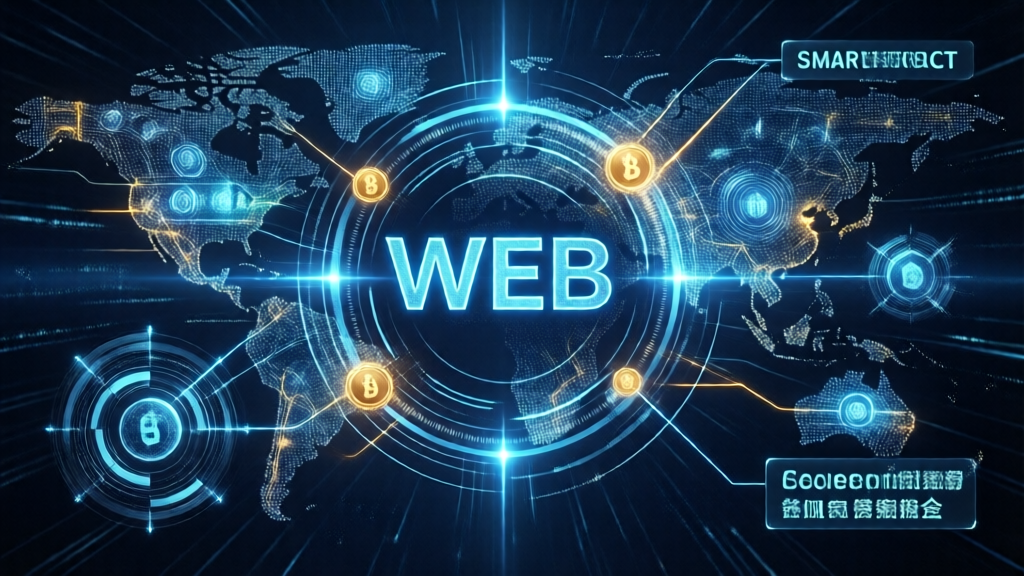
At its core, a Web3 digital ecosystem refers to a decentralized network built on blockchain technology that promotes user ownership and control over their data. Unlike traditional web systems, which are centralized and owned by corporations, Web3 empowers users to interact directly with applications (dApps), smart contracts, and decentralized exchanges (DEXs) without intermediaries.
This shift represents a fundamental change in how users engage with digital platforms. Think of it like moving from a bank-managed vault for your assets to a self-managed safe where you control every key.
The Components of Web3
- Blockchain: The backbone of Web3, providing immutability and transparency.
- Smart Contracts: Automated agreements that execute when certain conditions are met.
- Decentralized Applications (dApps): Applications that run on a decentralized network.
- Decentralized Finance (DeFi): Financial services that operate without traditional banks.
Benefits of Web3 Digital Ecosystems
Web3 brings numerous advantages to users and developers, transforming the way we interact with digital assets and services:
- User Control: The decentralization of power means users retain ownership of their data.
- Enhanced Security: Blockchain‘s immutable nature protects against fraud and attacks.
- Greater Accessibility: Users worldwide can access services without needing a bank account.
- Innovation Opportunities: Developers can create complex solutions without the barriers posed by traditional finance.
Challenges Facing Web3 Adoption
Despite its potential, Web3 does face significant challenges that could hinder its widespread adoption:
- Scalability: Current blockchain platforms can struggle to handle large numbers of users and transactions.
- User Experience: Complex interfaces may deter non-technical users from engaging.
- Regulatory Uncertainty: Governments are still figuring out how to regulate this new landscape, which can create unpredictable environments for business.
Creating Secure Web3 Ecosystems
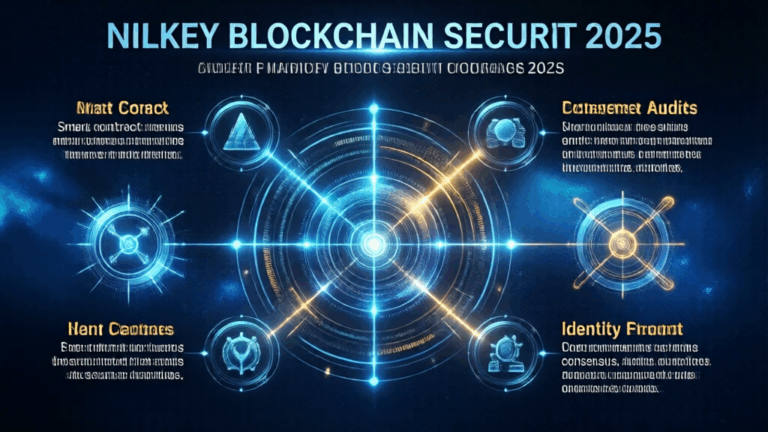
As the emergence of Web3 digital ecosystems continues, we must prioritize security and privacy to protect users and their assets. Here are some key strategies to ensure robust security:
- Conduct Regular Audits: Smart contracts and dApps must undergo thorough audits, such as hibt.com, to identify vulnerabilities.
- Implement Security Standards: Adhering to the latest tiêu chuẩn an ninh blockchain ensures that projects meet industry benchmarks.
- User Education: Empowering users to manage their wallets safely reduces the risk of hacks.
Future Outlook for Web3 Digital Ecosystems
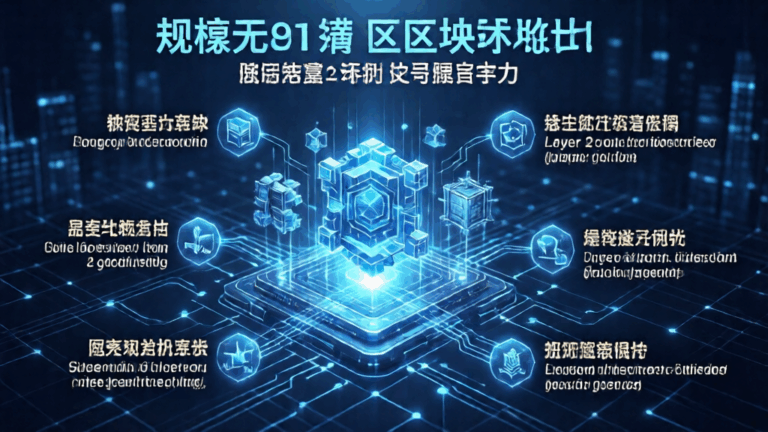
According to Chainalysis 2025 projections, we anticipate increasing global user engagement with decentralized platforms, especially in regions where traditional banking services are scarce. As innovations such as Layer 2 solutions emerge to combat scalability issues, the potential for Web3 adoption continues to expand.
Statistically, users in the U.S. are projected to grow by 45% in their understanding and usage of decentralized platforms by 2025, driven by educational initiatives and the mainstream acceptance of cryptocurrency.
Exploring the Financial Implications of Web3
As we dive deeper into the financial aspect of Web3, consider how decentralized finance (DeFi) is transforming transactions:
- Lower Fees: Transactions on blockchain typically incur lower fees compared to traditional banking systems.
- 24/7 Availability: Users can transact anytime without relying on banking hours.
- Global Reach: Access to financial instruments from anywhere in the world propels inclusive economic growth.
Conclusion
In summary, the rise of Web3 digital ecosystems represents a paradigm shift in how we interact with finance and technology. With the promise of enhanced security, user autonomy, and innovative opportunities, this ecosystem is poised to revolutionize many aspects of our lives. However, with potential comes responsibility; we must prioritize security and educate users, ensuring they can navigate this new landscape effectively.
We stand at the precipice of a new digital frontier, and it is crucial to stay informed and engaged as the Web3 environment continues to evolve. For continued insights and updates, explore resources and community insights at btcmajor.