
Introduction
In the ever-evolving world of cryptocurrencies, leverage trading has emerged as a popular yet risky strategy. With reports indicating that over $4.1 billion was lost in decentralized finance (DeFi) hacks in 2024, understanding leverage trading and its associated risks becomes increasingly pertinent. Traders seeking to amplify their profits often overlook the potential dangers that come with increased exposure. This guide aims to dissect the concept of leverage trading in cryptocurrencies, particularly focusing on the risks it entails.
What is Leverage Trading?
Leverage trading involves borrowing funds to increase the potential return on investment. It’s akin to using a margin in traditional finance, where traders can trade larger positions than their account balance would normally allow. For instance, a trader with a $1,000 account could use leverage of 10x, effectively trading a position worth $10,000. However, while the potential profits may look attractive, the risks can be equally significant.
Understanding Margin and Leverage
Margin trading is a key component of leverage trading. In simple terms, margin refers to the amount of capital that a trader must deposit to open a leveraged position. The higher the leverage, the less capital a trader needs to provide. However, high leverage can lead to swift losses, resulting in a margin call where the trader may need to add more funds to maintain their position.
Why Choose Leverage Trading?
Traders often opt for leverage trading for several reasons:
- Amplified Returns: Leverage can increase potential profits, allowing traders to benefit from small price movements.
- Capital Efficiency: With lower capital requirements, traders can diversify their investments across multiple assets.
- Accessible Opportunities: Leverage trading can open up markets and opportunities that may otherwise be out of reach for average traders.
The Risks of Leverage Trading
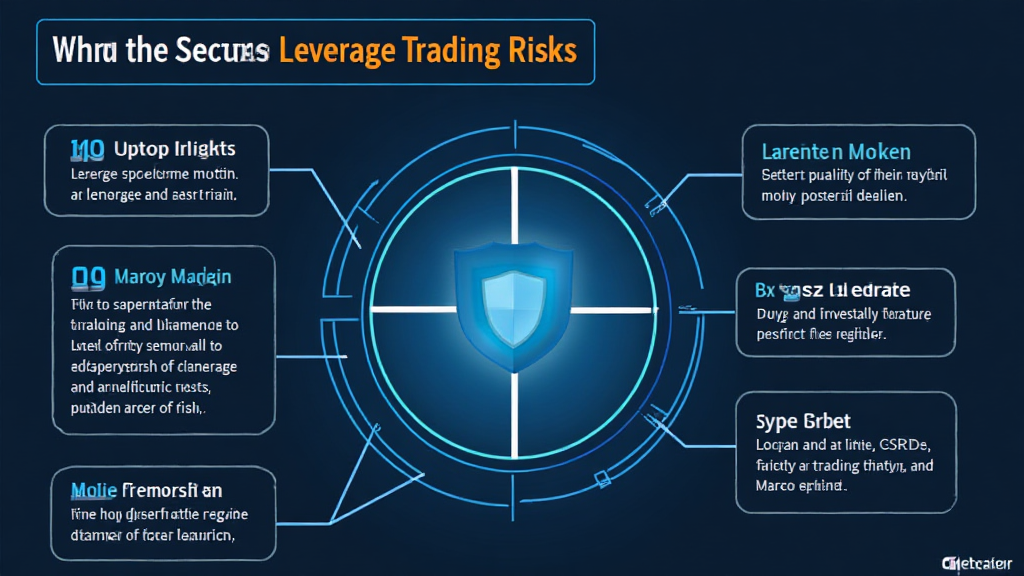
While leveraging can amplify profits, it equally heightens the risk of substantial losses. Here are some significant risks associated with leverage trading:
1. Liquidation Risk
If the market moves against the trader’s position, their margins could be wiped out, leading to liquidation. In crypto markets, which are notoriously volatile, liquidations can happen swiftly and with little warning.
2. Market Volatility
The crypto market is characterized by extreme price fluctuations. Leveraged positions are more susceptible to market movements, meaning a sudden drop could result in losses beyond the initial investment.
3. Emotional Trading
The stress of managing a leveraged position can lead to emotional decision-making. This often results in traders making impulsive choices, which can further exacerbate losses.
4. Interest Rates and Fees
Holding leveraged positions typically incurs interest charges and trading fees. Over time, these costs can eat into profits or amplify losses.
Strategies for Managing Leverage Trading Risks
Given the inherent risks, here are some strategies to mitigate them:
Use Proper Risk Management
Establishing a clear risk management strategy is crucial. This includes:
- Setting Stop-Loss Orders: These automatically close positions at predetermined loss levels, limiting potential damage.
- Position Sizing: Only risk a small percentage of capital on each trade to prevent devastating losses.
- Using Take-Profit Levels: Keep potential losses in check while securing profits by setting clear exit strategies.
Educate Yourself
Understanding the mechanics of leveraged trading is vital. Continuous learning about market trends, technical analysis, and risk management can greatly enhance your trading experience.
Utilize Reputable Platforms
Choosing a trustworthy and transparent trading platform is fundamental. Research platforms that offer solid security measures, clear fee structures, and reliable customer support. For example, btcmajor provides essential security protocols for its users.
Leverage Trading in the Vietnamese Market
Vietnam’s cryptocurrency market has seen substantial growth in recent years, with a noteworthy increase in user engagement. As of 2023, the number of crypto users in Vietnam has surged by 30%, showcasing the growing interest in leverage trading. However, with this rising interest, awareness of the risks remains critical.
The Rising Interest in Latin America
Particularly in emerging economies, leverage trading presents both opportunities and dangers. Understanding local regulations and security standards like tiêu chuẩn an ninh blockchain in Vietnam is crucial for traders to ensure compliance and safety.
Real Data Insights
According to industry reports, Vietnamese users showed a preference for margin trading platforms due to accessibility and potential returns. Below is a graphical representation of crypto user growth in Vietnam:
| Year | Number of Crypto Users (millions) |
|---|---|
| 2022 | 5.8 |
| 2023 | 7.5 |
Conclusion
Leverage trading in the cryptocurrency landscape offers a host of opportunities for motivated traders but comes with its fair share of risks. By understanding the intricacies involved and employing effective risk management strategies, traders can navigate this challenging aspect of crypto investing confidently. Always remember, it’s crucial to do your research, understand the market dynamics, and most importantly, recognize when leverage trading isn’t the right choice for you.
As we continue to witness the evolution of the crypto landscape, with platforms like btcmajor leading the charge, education and awareness remain paramount for any trader looking to step into the world of leverage trading, especially in rapidly growing markets like Vietnam.