
Ethereum Protocols: Navigating the Future of Blockchain Technology
As the world increasingly embraces digital assets, Ethereum protocols stand out, shaping the landscape of blockchain technology. With a staggering $4.1B lost to DeFi hacks in 2024, understanding these protocols is critical for developers, investors, and users alike. This article will elucidate the core aspects of Ethereum protocols, their evolution, usage, and the implications for the future of blockchain security.
What Are Ethereum Protocols?
Ethereum protocols are rules and standards that govern the way data is handled on the Ethereum network. They enable the execution of smart contracts, decentralized applications (dApps), and establish security mechanisms that protect these systems. Ethereum‘s adaptability is primarily due to its modular architecture, which allows developers to create new protocols without altering the core network.
As a quick overview:
- Smart Contracts: Self-executing contracts with the terms directly written into code.
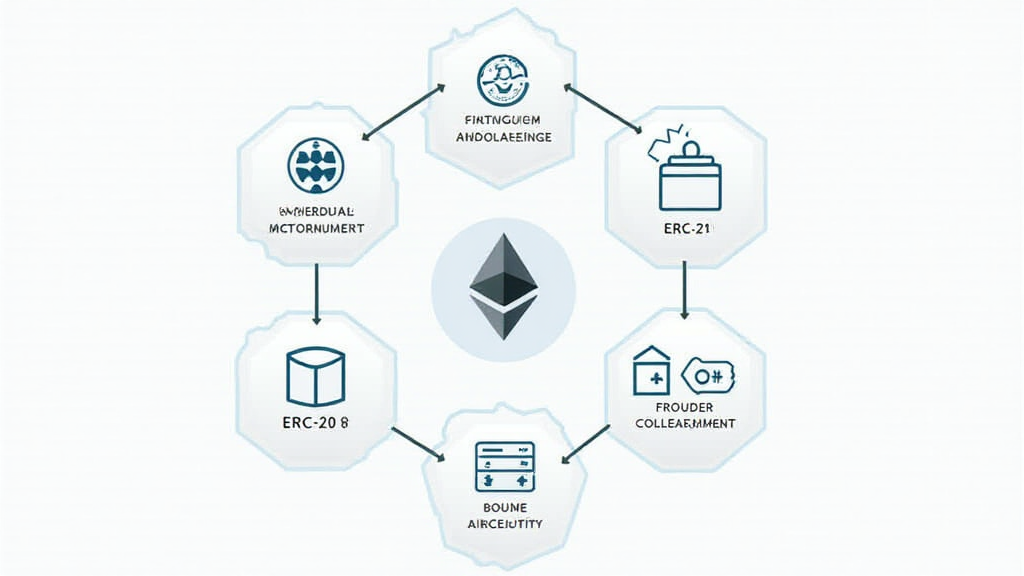
- ERC Standards: Various Ethereum Request for Comments (ERC) standards such as ERC-20 and ERC-721 define how tokens behave on the network.
- Layer 2 Solutions: Innovations designed to improve scalability and reduce transaction fees.
According to Chainalysis 2025, Ethereum remained the dominant player in the market, responsible for over 70% of DeFi activity, illustrating its importance in the blockchain ecosystem.
Key Ethereum Protocols to Know
Focusing on various Ethereum protocols can enhance security and efficiency within applications. Let’s break it down into key components:
1. ERC-20: The Token Standard
ERC-20 tokens revolutionized the way projects fundraise through Initial Coin Offerings (ICO). By following a set of rules, developers can ensure interoperability between different tokens and wallets. A well-known example is USDT (Tether), which is used widely for trading.
Key features of ERC-20 include:
- Standard Interface: Allows for compatibility across all tokens.
- Easy Integration: Facilitates interactions with wallets and exchanges.
- Built-in Functions: Functions for transferring tokens, checking balances, and approving transfers.
2. ERC-721: Non-Fungible Tokens (NFTs)
ERC-721 defines a standard for non-fungible tokens, enabling the creation of unique digital assets. This has led to a boom in digital art, collectibles, and virtual real estate. In 2022 alone, the NFT market generated nearly $25 billion.
Key characteristics include:
- Uniqueness: Each token has distinct attributes.
- Ownership Provenance: Blockchain ensures clear ownership and transaction history.
3. Layer 2 Solutions
With Ethereum‘s scalability limitations, layer 2 solutions like Optimistic Rollups and zk-Rollups have emerged. These solutions enhance transaction throughput and reduce fees, making Ethereum more accessible to users.
Key components of Layer 2 solutions include:
- Reduced Gas Fees: Layer 2 transactions typically cost less than $0.01 compared to $10 on the main chain.
- Increased Speed: Transactions are processed off-chain, leading to significantly quicker confirmation times.
Consensus Mechanism Vulnerabilities
Ethereum‘s transition from proof-of-work (PoW) to proof-of-stake (PoS) aims to improve security and reduce energy consumption. However, understanding the vulnerabilities in these consensus mechanisms is essential:
- Slashing Risks: Validators risk losing their staked ETH for malicious behavior.
- Centralization Concerns: Wealthy validators could dominate and influence power structures.
In Vietnam, the Ethereum user growth rate has seen an annual increase of 30%, reflecting global trends. Since 2023, active users of Ethereum in Vietnam reached around 2 million, showcasing the increasing adoption of cryptocurrencies.
Securing Ethereum: Best Practices
To further enhance the security of Ethereum protocols, consider adopting the following best practices:
- Peer Review: Smart contracts should undergo rigorous audits by independent firms to detect vulnerabilities.
- Use Multi-Signature Wallets: Adding layers of authentication for transactions reduces fraud risks.
- Stay Updated: Keep track of the latest security updates and patches from Ethereum developers.
Tools like Ledger Nano X can significantly reduce hacking risks by allowing users to store their assets offline.
The Future of Ethereum Protocols
As blockchain technology continues to evolve, the future of Ethereum protocols promises new innovations:
- Interoperability: Future protocols may address cross-chain communication, leading to enhanced functionalities.
- Sustainability: Efforts aimed at reducing carbon footprints will likely come to the forefront, especially as global awareness increases.
For those looking to audit smart contracts, resources like hibt.com provide comprehensive guidance on the processes and best practices necessary for maintaining security and compliance.
Conclusion
Understanding Ethereum protocols is vital for engaging with the blockchain and optimizing security measures. With the growing number of users in Vietnam and beyond, these protocols will inevitably shape the future of digital assets. Protecting against vulnerabilities, staying informed about market trends, and employing security best practices are essential to thriving in this evolving landscape. As we move towards 2025, innovations through Ethereum are set to continue redefining our interactions with decentralized applications and smart contracts.
As blockchain continues to permeate our lives, one must remain vigilant and informed to navigate both its possibilities and pitfalls. While Ethereum protocols are powerful tools in the realm of digital innovation, understanding their complexities ensures a safer and more secure experience within the blockchain space.
Author: Dr. An Nguyen
A blockchain expert with over 10 published papers in the field and a key role in auditing several high-profile projects, Dr. An Nguyen brings valuable insights into the Ethereum protocols and their implications for future blockchain developments.