
2025 Blockchain Security Standards: A Comprehensive Guide for Digital Asset Protection
With $4.1B lost to DeFi hacks in 2024, ensuring compliance and security in the cryptocurrency landscape has never been more critical. This article presents a comprehensive crypto compliance checklist that equips digital asset platforms with the necessary safeguards, focusing on emerging standards and practices.
Understanding the Importance of Crypto Compliance
Compliance in the blockchain space isn’t just bureaucratic red tape; it’s a vital part of securing your assets and building trust with your users. According to recent statistics, Vietnam has seen a remarkable 35% growth in cryptocurrency adoption among its users over the past year, highlighting the pressing need for robust compliance frameworks in increasingly digital economies.
Defining Blockchain Compliance
Blockchain compliance refers to the processes and measures that ensure a platform operates within legal boundaries, reducing risks for both businesses and their customers. Much like a traditional bank vault, compliance prevents unauthorized access and secures sensitive information.
Key Blockchain Regulations to Consider
- Know Your Customer (KYC): This involves verifying the identity of your clients to prevent fraud and money laundering.
- Anti-Money Laundering (AML): Institutions must implement measures to detect and report suspicious activities that may relate to money laundering.
- General Data Protection Regulation (GDPR): For platforms dealing with European users, compliance with GDPR data protection rules is essential.
- Local Regulatory Requirements: Each country has specific laws governing cryptocurrency operations, especially in emerging markets like Vietnam.
The 2025 Crypto Compliance Checklist
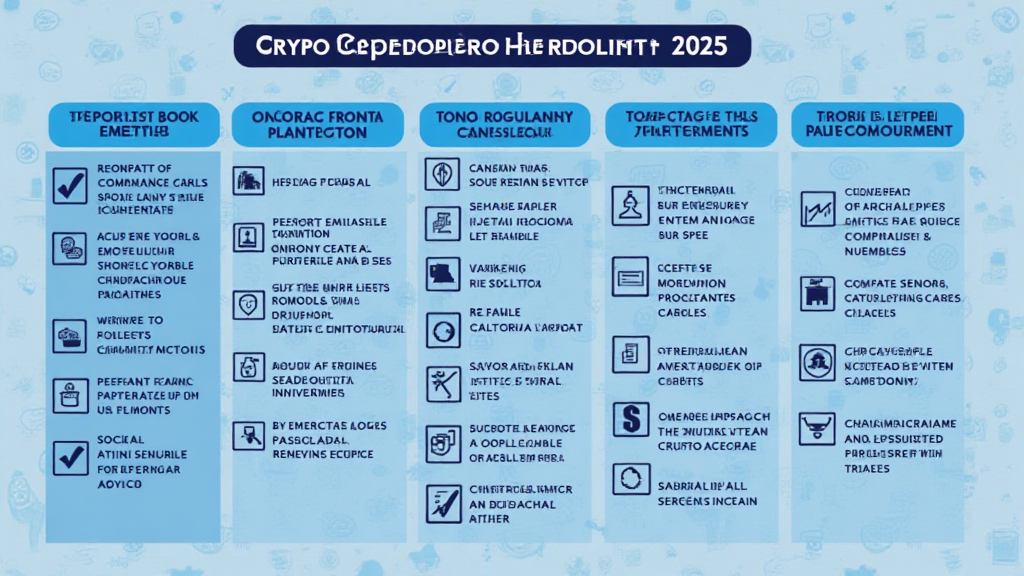
Here’s a comprehensive checklist to ensure your cryptocurrency platform meets the required compliance standards:
- KYC Procedures: Implement robust KYC processes to verify users’ identities thoroughly.
- AML Framework: Develop a clear AML policy, including transaction monitoring systems.
- Data Protection Measures: Ensure compliance with GDPR for European users, focusing on data handling and privacy rights.
- Licensing: Obtain the necessary licenses stipulated by local governing bodies.
- Risk Assessment: Regularly assess risks associated with your platform’s operations and establish mitigation strategies.
- Reporting Framework: Ensure you have systems in place for reporting any suspicious activities to regulatory authorities.
Staying Ahead with Emerging Technologies
Blockchain technology is evolving rapidly, and so too are the compliance requirements. Companies should consider leveraging advanced technologies such as AI and machine learning for real-time compliance monitoring.
Real-World Applications: Case Studies
Examining successful platforms can provide valuable insights:
- Chainalysis: This blockchain analysis platform significantly enhances compliance by providing tools for transaction monitoring and fraud detection.
- Coinbase: By adhering to strict KYC and AML regulations, Coinbase has established a trusted reputation, enabling them to serve millions of users globally.
Measuring Success: Auditing Your Compliance
Regular compliance audits are necessary to ensure that your practices are up-to-date.
- Internal Audits: Conduct periodic reviews of your operational practices and compliance adherence.
- External Audits: Engage third-party experts for unbiased evaluations of your compliance status.
How to Audit Smart Contracts
With the rise of decentralized finance (DeFi), auditing smart contracts has become paramount. Platforms should follow these steps:
- Code Review: Utilize established coding standards and frameworks to ensure best practices.
- Automated Testing: Implement automated testing protocols to identify potential vulnerabilities.
- Third-party Audits: Seek expertise from firms specializing in smart contract audits.
Vietnam’s Crypto Market Growing Fast
According to a study by Statista, Vietnam’s cryptocurrency market is expected to grow significantly, with projections estimating a 58% increase in active traders in 2025. This presents both opportunities and challenges for platforms looking to expand in the region.
Navigating Local Regulations in Vietnam
Submit your business for review under local government regulations, ensuring compliance with both national and international standards, including the tiêu chuẩn an ninh blockchain.
Conclusion: Your Path to Compliance
Adhering to these guidelines and continuously monitoring the evolving landscape can safeguard your digital assets effectively. As compliance becomes more crucial, make sure you remain informed and proactive to protect your platform and its users.
By following this crypto compliance checklist for 2025, you not only align with regulatory standards but also enhance user trust—an invaluable asset in today’s digital landscape.
For further insights on blockchain compliance, check out our detailed articles on cryptocurrency regulations and smart contract auditing practices.
**Disclaimer**: This article is not financial advice. Please consult with financial and legal advisors to ensure compliance with applicable laws.
Though the regulatory landscape may seem daunting, having a solid compliance checklist and the right tools will allow you to navigate it with confidence. Visit btcmajor for more resources on blockchain technologies and practices.