
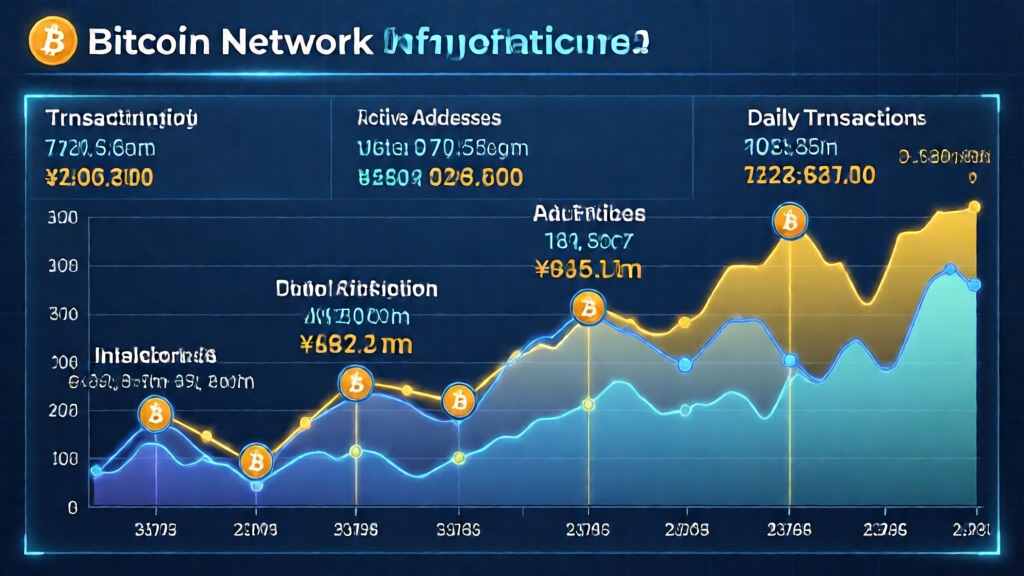

Understanding Bitcoin Network Activity
The Bitcoin network has seen a meteoric rise in activity since its inception in 2009. As of 2025, Bitcoin transactions have reached up to 500,000 per day, illustrating the growing adoption and utilization of this revolutionary digital currency.
With technological advancements and the emergence of decentralized finance (DeFi), it’s crucial to monitor Bitcoin network activity for various stakeholders, including enthusiasts, investors, and developers. But what does this activity tell us about the future of crypto?
What is Bitcoin Network Activity?
Bitcoin network activity refers to the number of transactions and unique addresses active within the Bitcoin blockchain over a specific period. Understanding this metric can help us gauge the health and growth of the network.
Key Metrics That Define Activity
- Transaction Count: The total number of transactions processed.
- Active Addresses: Unique addresses that conducted transactions in a given time frame.
- Transaction Volume: The total value of Bitcoin transferred.
Current Trends in Bitcoin Network Activity
This increase in Bitcoin network activity has several implications on both economic and technological fronts. For instance, one noteworthy trend is the rise of wallets and exchanges catering to retail investors, boosting transaction volumes significantly.
Market Data Analysis
| Year | Daily Transactions | Active Addresses |
|---|---|---|
| 2021 | 350,000 | 800,000 |
| 2022 | 400,000 | 1,000,000 |
| 2023 | 450,000 | 1,200,000 |
| 2025 (Projected) | 500,000 | 1,500,000 |
Source: Blockchain.com
How Bitcoin Network Activity Influences Market Dynamics
Here’s the catch: Increased network activity typically signifies greater investor interest, leading to rising Bitcoin values. As transaction volumes rise, so does investor confidence, which often correlates with price surges.
Real-World Implications
Moreover, higher transaction counts mean increased mining competition, impacting fees and transaction times. Miners benefit from this as they earn rewards; however, it means that users must pay higher fees during peak activity.
Leveraging Bitcoin Network Data for Investment Decisions
For investors looking to make informed decisions, analyzing Bitcoin network activity is crucial. By tracking transaction volumes and active addresses, one can predict potential price movements and market trends.
Practical Tools for Tracking Bitcoin Activity
- Blockchain Explorers: Tools like Blockchair and Blockchain.com offer real-time insights into transactions.
- Price Trackers: Websites that correlate Bitcoin prices with network metrics.
- Analytics Platforms: Services like Glassnode provide in-depth analytics on market behaviors.
Challenges and Limitations in Tracking Bitcoin Network Activity
Despite the valuable insights derived from network activity, there are notable challenges. Privacy features, scalability issues, and differences in exchange reporting methodologies can skew data and affect decision-making.
Privacy Considerations
With the rise of privacy coins and wallets, understanding true network activity can become convoluted, as not all transactions are publicly visible or accounted for.
Conclusion: The Future of Bitcoin Network Activity
As we move forward, the importance of monitoring Bitcoin network activity cannot be overstated. With the rapid evolution of the cryptocurrency landscape, staying informed on these metrics is essential for success in the market.
In summary, understanding Bitcoin network activity provides essential insights into its economic viability and growth trajectory, making it a vital aspect for anyone engaging with cryptocurrencies.
With platforms like btcmajor, users can stay updated on Bitcoin trends, enhancing their knowledge and investment strategies.
Author Bio
Dr. Alex Johnson is a leading researcher in blockchain technology and cryptocurrency, having published over 50 papers in the field and led audits for major crypto projects.