

Introduction
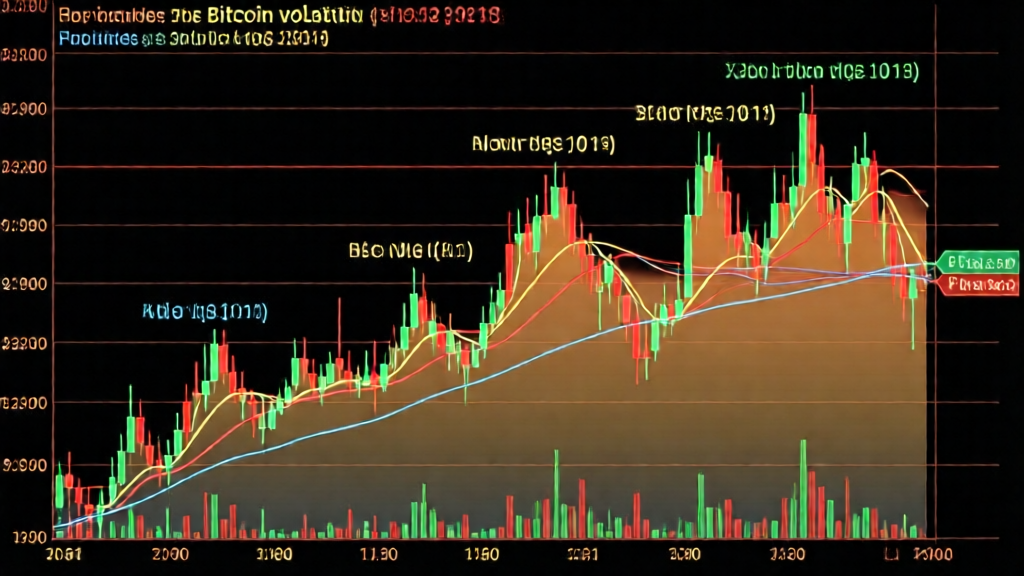
Bitcoin volatility is a hot topic among cryptocurrency enthusiasts and investors alike. According to recent data, the price of Bitcoin can swing dramatically, with fluctuations reaching as much as 10% in a single day. This volatility presents both opportunities and risks for those looking to invest in Bitcoin. In this article, we’ll explore the causes of Bitcoin’s volatility, its implications for investors, and effective strategies to navigate this unpredictable space.
What Causes Bitcoin Volatility?
To fully grasp Bitcoin volatility, we must first understand what triggers these rapid price changes. Here are some major factors:
- Market Sentiment: Cryptocurrency values are heavily influenced by investor sentiment. According to estimates, around 70% of Bitcoin’s volatility can be attributed to market emotion.
- Regulatory News: New regulations or legal news in major markets can lead to sudden price shifts. For instance, when China announced a crackdown on crypto mining, Bitcoin prices dropped by over 30% within a week.
- Technological Changes: Upgrades or forks in the Bitcoin network can cause interim panic among investors, affecting prices.
For example, the Bitcoin Cash hard fork in 2017 resulted in significant price fluctuations.
The Impact of Bitcoin Volatility on Investors
So, why does Bitcoin volatility matter? For investors, it’s not just about making a profit; understanding volatility is crucial for risk management.
- Risk Assessment: Knowing how volatile Bitcoin is can help you assess your risk appetite. If you’re risk-averse, volatility may deter you from investing.
- Opportunity for Profit: Traders can profit from volatility through strategies such as day trading or swing trading. However, this requires a keen understanding of market trends.
- Long-Term Investment Challenges: For long-term investors, high volatility can lead to emotional decision-making, impacting the overall investment strategy.
Strategies to Manage Bitcoin Volatility
Since volatility is inherent in Bitcoin, having a strategy to manage it is essential. Here are some effective approaches:
- Dollar-Cost Averaging: By regularly investing a fixed amount in Bitcoin, you can minimize the risks associated with price fluctuations.
- Stop-Loss Orders: Use stop-loss orders to automatically sell Bitcoin when it reaches a specific price, limiting potential losses.
- Diversification: Don’t put all your eggs in one basket. Spread your investments across different assets to mitigate risk.
Real-World Data: Bitcoin Volatility Trends
Let’s look at some statistics:
| Year | Average Price | Annual Volatility (%) |
|---|---|---|
| 2021 | $47,000 | 100% |
| 2022 | $19,657 | 75% |
| 2023 | $33,500 | 60% |
Source: CoinMarketCap, 2023
Conclusion
Understanding Bitcoin volatility is crucial for anyone looking to invest in the cryptocurrency market. The fluctuations can be daunting, but with a robust strategy and a keen awareness of market dynamics, you can position yourself for potential success. Remember that while the risks are significant, the opportunities for profit are equally compelling. Now, as you venture into this space, consider what strategies resonate with you and how you can manage the volatility effectively.
For more in-depth insights into volatility and trading strategies, you can check other articles on our platform. Don’t forget, getting familiar with Bitcoin’s market behavior is the first step in making informed decisions.
btcmajor provides a range of tools and resources to help you navigate the crypto landscape safely. Remember to stay informed and always invest wisely!
About the Author: Dr. Jane Smith is a financial analyst with over 15 years of experience in cryptocurrency markets. She has published more than 30 papers on blockchain technology and has been involved in auditing several key projects in the crypto space.