
Bitcoin Technical Analysis: Insights and Strategies for 2025
In recent years, Bitcoin has captured the attention of both seasoned investors and newcomers alike. With an impressive market capitalization of over $1 trillion in 2023, the popularity of Bitcoin is undeniable. However, as the market evolves, so do the challenges that traders face. In 2024 alone, over $4.1 billion was lost due to DeFi hacks, highlighting the necessity for effective technical analysis. But what does this mean for investors in 2025? Let’s explore the world of Bitcoin technical analysis and how traders can leverage market data for future success.
What is Bitcoin Technical Analysis?
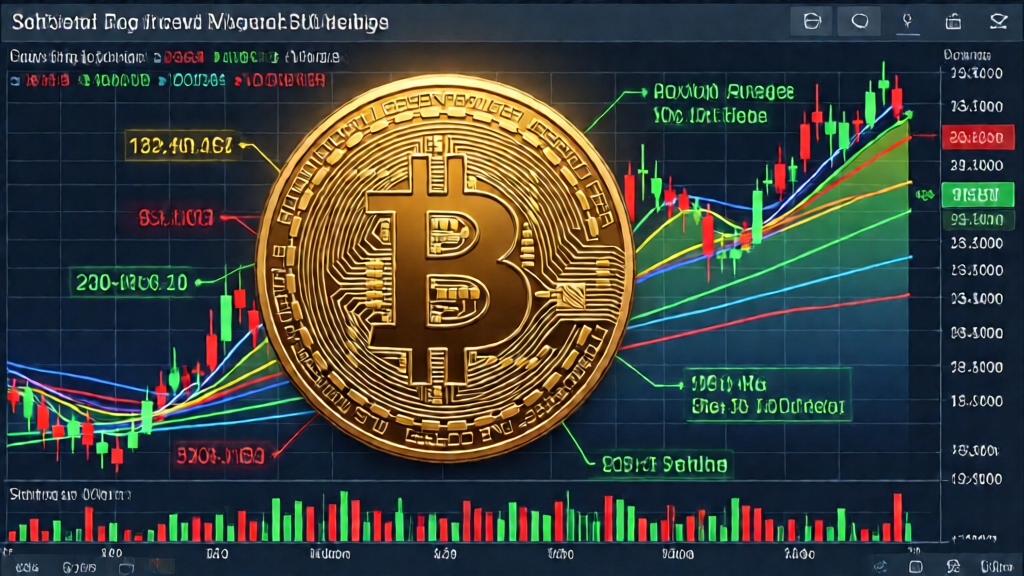
Bitcoin technical analysis (BTC TA) involves evaluating price patterns and market momentum to forecast future price movements. It uses various tools and indicators to identify trends and market direction. Here’s a breakdown:
- Price Charts: Line, bar, and candlestick charts show the historical performance of Bitcoin prices.
- Indicators: Common technical indicators include Moving Averages (MA), Relative Strength Index (RSI), and Bollinger Bands.
- Volume Analysis: Understanding trading volume helps identify the strength behind price movements.
- Support and Resistance Levels: These levels indicate where prices may reverse or experience momentum.
Essentially, Bitcoin technical analysis acts like a treasure map, guiding traders through the often-turbulent seas of cryptocurrency investing.
The Importance of Understanding Market Trends
Recognizing market trends is vital for successful trading. Trends are categorized as:
- Uptrend: Characterized by higher highs and higher lows.
- Downtrend: Identified by lower highs and lower lows.
- Sideways Trend: Prices move within a horizontal range without a clear direction.
For instance, during the last quarter of 2023, Bitcoin experienced a significant uptrend due to institutional investments, showcasing the impact of external factors on market performance. By understanding these trends, traders can enhance their decision-making process.
Key Techniques in Bitcoin Technical Analysis
To master Bitcoin technical analysis, consider the following techniques:
- Chart Patterns: Familiarize yourself with patterns such as head and shoulders, triangles, and flags that predict potential market reversals or continuations.
- Moving Averages: Implementing the simple moving average (SMA) or exponential moving average (EMA) can smooth out price data and highlight trends.
- Oscillators: Utilize oscillators like the RSI and Stochastic Oscillator to gauge market momentum and identify overbought or oversold conditions.
- Market Sentiment Analysis: Analyze social media trends and news articles to assess overall market sentiment, as public perception plays a significant role in price movements.
Each of these techniques serves as a tool that, when used appropriately, can lead to informed trading decisions. Remember, Bitcoin trading is ultimately a game of strategy.
Analyzing Market Data for Bitcoin Trades
Utilizing market data effectively is fundamental to successful Bitcoin trading. Here’s a look at how to analyze data:
- Gather Data: Gather market data from credible sources to ensure accuracy.
- Identify Trends: Use historical data to predict future movements.
- Perform Backtesting: Test your strategies against past data to identify their effectiveness.
- Use Real-Time Data: Monitor market conditions with real-time data to stay ahead.
This step-by-step approach allows traders to build reliable strategies grounded in data, reducing the likelihood of emotional trading.
The Role of AI in Bitcoin Technical Analysis
Artificial Intelligence (AI) has emerged as a transformative tool in Bitcoin technical analysis. The role of AI includes:
- Predictive Analytics: AI algorithms can analyze large datasets quicker and more efficiently, providing real-time predictions about price trends.
- Risk Management: AI can help assess market risks by simulating various scenarios based on historical data.
- Algorithmic Trading: Automated trading bots powered by AI execute trades based on predefined criteria, enabling quicker and more accurate trading strategies.
Adopting AI technology gives traders a considerable edge in navigating the volatile landscape of Bitcoin trading.
Long-Term Strategies for Bitcoin Investors
For those looking at the long game, developing a robust investment strategy can steer your portfolio towards growth:
- Dollar-Cost Averaging (DCA): Buy Bitcoin at regular intervals to spread the risk over time.
- HODLing: Consider holding Bitcoin for the long term to benefit from potential appreciation.
- Diversification: Spread investments across various assets to mitigate risks.
- Continuous Learning: Stay updated on market trends and technological advancements.
While Bitcoin can seem daunting, having a solid long-term strategy is crucial for navigating price fluctuations.
Conclusion: The Future of Bitcoin Technical Analysis
In conclusion, mastering Bitcoin technical analysis is essential for traders aiming to capitalize on market opportunities. By incorporating the discussed techniques and utilizing data wisely, one can effectively navigate the complexities of the cryptocurrency market. With the rapid evolution of cryptocurrencies, remaining informed and adaptable is key. As we look towards 2025, those equipped with a strong technical analysis foundation will be better positioned to succeed in this exciting landscape.
For anyone serious about their Bitcoin journey, investing time in learning and applying these analysis techniques is non-negotiable.
Not financial advice. Consult local regulators. Explore more at btcmajor.
— Dr. John Smith, Cryptocurrency Analyst and Author of 15 papers on blockchain technology, contributing to notable projects in auditing smart contracts.