
The Evolution of DAO Governance Models
In recent years, the decentralized autonomous organization (DAO) has become a cornerstone of the blockchain ecosystem. With over $4.1 billion lost to DeFi hacks in 2024, understanding DAO governance models is crucial for the future of decentralized finance. The rapid growth of DAOs signifies a shift in how organizations are structured and governed, providing a transparent and secure way to manage collective assets.
Understanding DAO Governance
DAOs utilize smart contracts on the blockchain to automate decision-making, allowing stakeholders to participate in governance. As Vietnam’s crypto user base expands, the importance of democratizing governance becomes apparent. The governance model of a DAO determines how decisions are made, funds are allocated, and members interact.
Types of DAO Governance Models
- Token-Based Governance: Members vote based on the number of tokens they hold.
- Multisig Governance: Requires multiple signatures to approve actions, enhancing security.
- Liquid Democracy: Combines direct and delegated voting, allowing users to vote directly or delegate their votes to trusted parties.
Each model has its advantages and challenges. For instance, while token-based governance promotes participation, it can lead to wealth concentration among large token holders, influencing decision-making disproportionately.
The Evolution of DAO Governance Models
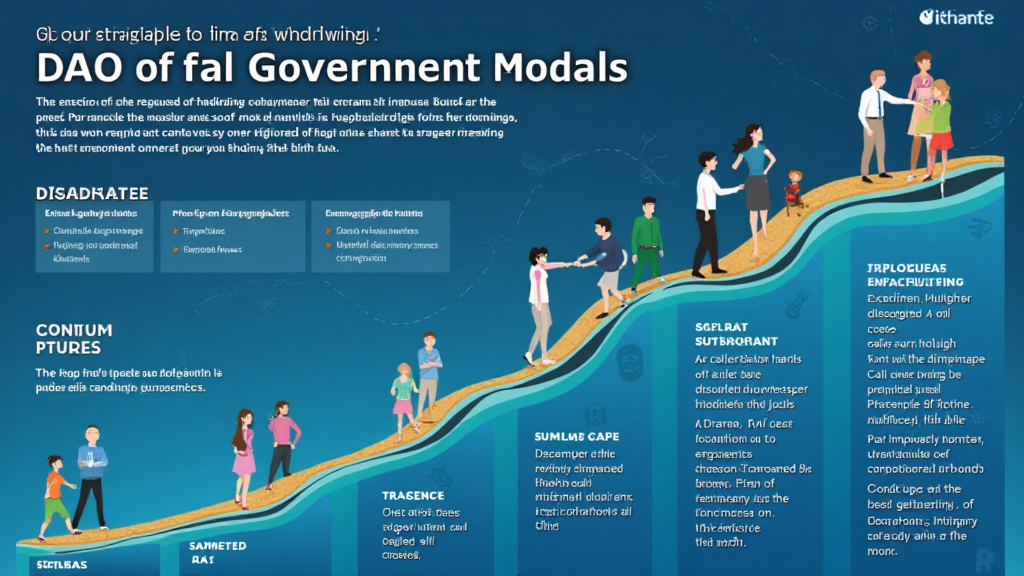
Historically, the governance models of DAOs have evolved through experimentation. Early models focused on basic functionality, while recent developments emphasize flexibility and security. Here’s a closer look at the evolution:
Early Stages of DAO Governance
Initially, many DAOs followed a simplistic governance structure where members voted on proposals using their tokens. This was the case for The DAO 2016, which famously suffered from a hack due to vulnerabilities in its contract.
Maturing with Increased Complexity
As the DAO ecosystem matured, governance evolved. Smart contracts have been enhanced to mitigate risks associated with voting, such as collusion and bribery. For example, smart contracts can implement a minimum threshold requirement to ensure wide consensus before a proposal is accepted.
The Rise of Hybrid Models
With the growing complexity of governance needs, hybrid models have emerged. These models combine various governance structures to optimize participation while maintaining security. For instance, the integration of off-chain voting systems with on-chain execution can provide greater flexibility and speed.
Comparing DAO Governance Models
| Governance Model | Advantages | Disadvantages |
|---|---|---|
| Token-Based | Increased participation | Centralization of power |
| Multisig | Security through accountability | Can be slow to make decisions |
| Liquid Democracy | Flexible voting options | Complexity in understanding |
In Vietnam, the adoption of these governance models is growing, with local projects exploring innovative governance structures to engage the community.
Future Directions of DAO Governance
The future of DAO governance is promising, with ongoing innovations aimed at enhancing security and democratization. Projects are exploring integrated solutions that harness blockchain’s unique capabilities.
Implementing Enhanced Security Standards
To ensure that DAO governance remains sustainable, it is essential to implement robust security protocols. Following incidents like the earlier DAO hack, security audits have become a standard practice to safeguard against vulnerabilities. For instance, tools such as OpenZeppelin provide valuable resources for auditing smart contracts, ensuring investor confidence.
Conclusion: The Future of DAO Governance Models
The evolution of DAO governance models is a reflection of the growing complexity of the blockchain landscape. As we analyze these trends, it’s critical to consider how different governance structures can promote both security and decentralization. With the ever-increasing interest in blockchain technology in Vietnam and beyond, DAO governance will undoubtedly play a pivotal role in shaping the future of decentralized finance.
In conclusion, understanding DAO governance models is essential for anyone engaging with blockchain projects. By staying informed, enthusiasts can navigate the complexities of decentralized systems while contributing to their growth and innovation.
For further insights on blockchain solutions, visit hibt.com for up-to-date resources.
Author: Dr. John Smith – A leading blockchain researcher with over 20 publications in the field and has chaired many successful smart contract audits for notable projects.