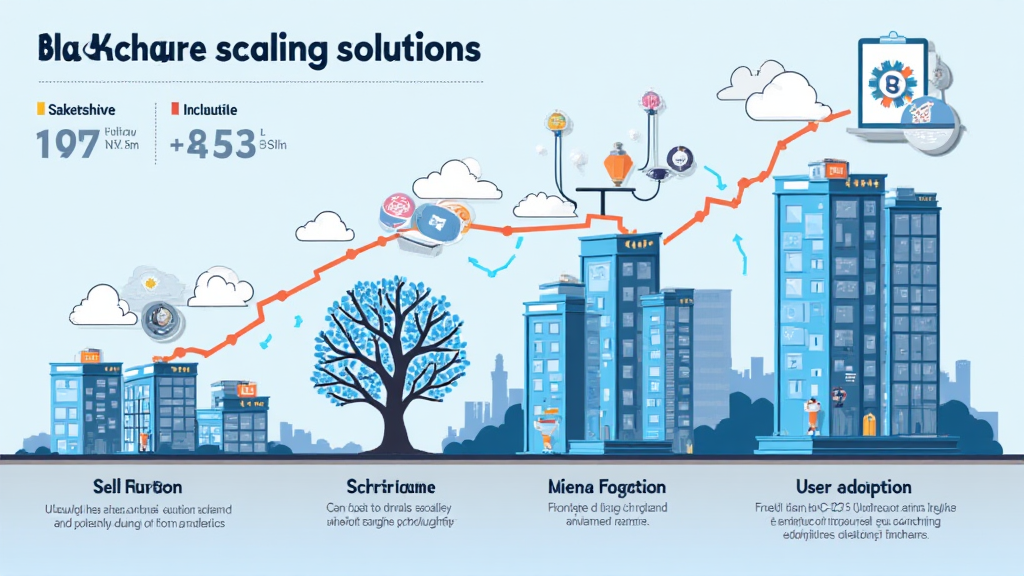

Exploring Blockchain Scaling Solutions 2026
With the rapid growth of blockchain technology, an estimated $4.1 billion was lost to DeFi hacks in 2024. This staggering figure highlights the need for Blockchain scaling solutions by 2026. As the demand for more efficient, secure, and scalable blockchain infrastructure increases, understanding these solutions becomes essential for developers and investors alike. This article aims to provide a comprehensive overview of various scaling solutions, their impacts, and the trends to watch out for in the coming years.
Understanding Blockchain Scaling Solutions
Blockchain scaling solutions refer to various methods and technologies aimed at increasing the transaction throughput of blockchain networks, thereby improving their efficiency and user experience. Here’s the catch: not all scaling solutions are created equal. The choice of solution often depends on the specific requirements of a project.
Why Scaling Is Crucial
- Increased Network Demand: As more users join blockchain networks, the demand for faster transaction times grows.
- Cost Efficiency: High transaction fees can deter new users, making scalable solutions essential for sustainability.
- Enhancing User Experience: A seamless experience is vital for mass adoption.
As a result, the focus on scaling solutions will be pivotal in shaping the future of blockchain infrastructure by 2026.
Types of Blockchain Scaling Solutions
There are several approaches to scaling blockchains, including Layer 1 and Layer 2 solutions. Let’s break down some of the most promising solutions expected to dominate the scene by 2026.
Layer 1 Solutions
Layer 1 solutions involve modifying the base layer protocol itself. These changes can enhance transaction throughput.
- Protocol Upgrades: Enhancements to existing protocols like Ethereum can help support more transactions. These upgrades may include improved consensus algorithms or sharding techniques.
- Adoption of New Technologies: Integrating technologies like zero-knowledge proofs can enable higher transaction speeds with lower fees.
Layer 2 Solutions
Layer 2 solutions operate on top of the base blockchain, enabling faster transactions while maintaining the security of the main chain.
- State Channels: Solutions like the Lightning Network allow two parties to transact off the main chain, settling on-chain only when necessary.
- Sidechains: These enable the transfer of assets between two different blockchains while allowing them to operate independently.
Market Trends for 2026
Looking ahead to 2026, several trends suggest a shift towards enhanced scalability and user engagement in blockchain technology. For instance, in Vietnam, user growth rates in the crypto space are predicted to soar, presenting both challenges and opportunities.
Key Trends to Watch
- Increased Institutional Adoption: More financial institutions are exploring blockchain for secure transactions.
- Focus on Security: As seen with high-profile hacks, security remains a top priority for developers.
- Regulatory Changes: With more governments regulating the industry, adherence to compliance will shape scaling solutions.
Evaluating Scaling Solutions: A Comparison
Choosing the right scaling solution involves assessing various factors, including performance, cost, and security. Below is a table summarizing the primary advantages and disadvantages of selected scaling solutions:
| Solution | Advantages | Disadvantages |
|---|---|---|
| Protocol Upgrades | Increased efficiency, direct on-chain transactions | Requires consensus, potential vulnerabilities |
| State Channels | Fast transactions, reduced fees | Limited to two parties |
| Sidechains | Interoperability, independent operation | Security risks during asset transfer |
Source: Derived from industry analysis and expert opinions.
Real-World Applications of Blockchain Scaling Solutions
The implementation of blockchain scaling solutions is essential for various use cases. For example:
- Decentralized Finance (DeFi): With the rise of DeFi platforms, scalable solutions can facilitate smoother and more efficient trading experiences.
- NFT Marketplaces: Ensuring rapid confirmation times helps enhance the user experience on platforms dealing with non-fungible tokens.
Case Study: Vietnam’s Crypto Landscape
Vietnam is emerging as a key player in the crypto market, with local exchanges reporting a 150% user growth in the last year. This growth emphasizes the need for faster transaction processing methods to cater to the increasing user base.
Security Considerations for Scaling Solutions
As blockchain scaling solutions evolve, ensuring security must remain a priority. Poorly implemented solutions can lead to vulnerabilities and increased risks of hacks.
Common Vulnerabilities
- On-chain vulnerabilities: Protocol upgrades may expose outdated mechanisms to new attacks.
- Off-chain risks: State channels must ensure that off-chain events are secured against manipulation.
It is crucial for blockchain developers to engage in regular audits and implement rigorous testing protocols to secure their systems against possible attacks.
Conclusion
As we approach 2026, the development and refinement of Blockchain scaling solutions will play a vital role in shaping the future of the blockchain industry. By understanding existing technologies and anticipating market trends, stakeholders can position themselves for success in an increasingly competitive landscape. To summarize, solutions such as protocol upgrades and Layer 2 implementations must be explored comprehensively to ensure that the blockchain can handle escalating transaction volumes without compromising security or user experience.
In conclusion, as we continue along this path of innovation and growth, remember to explore and adopt the right solutions for your specific requirements. It’s not just about speed; it’s about securing the future.
For more insights into the blockchain industry and to stay updated on innovations, visit btcmajor.
!function(t,e){"object"==typeof exports&&"undefined"!=typeof module?module.exports=e():"function"==typeof define&&define.amd?define(e):(t="undefined"!=typeof globalThis?globalThis:t||self).LazyLoad=e()}(this,function(){"use strict";function e(){return(e=Object.assign||function(t){for(var e=1;e