
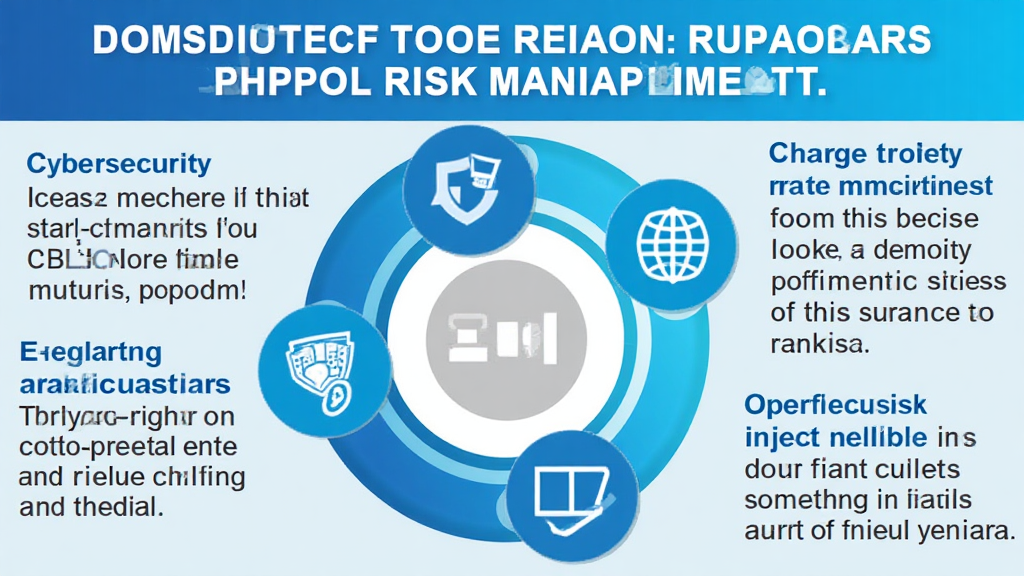

Effective Crypto Risk Management Techniques: Safeguarding Your Digital Assets
With a staggering $4.1 billion lost to DeFi hacks in 2024, the need for robust crypto risk management techniques has never been more critical. As the world of cryptocurrency becomes increasingly lucrative, the risk of loss due to hacks, scams, and regulatory issues has escalated.
This article aims to provide a comprehensive overview of the essential strategies needed to mitigate risks when dealing with digital assets. It serves not only to inform but also to guide you in implementing these techniques effectively. If you’re a cryptocurrency investor or platform operator, understanding and applying these strategies is vital for ensuring the safety of your investments and compliance with evolving regulations.
Understanding Crypto Risks
Before diving into specific management techniques, it’s essential to grasp the landscape of risks associated with cryptocurrencies. These risks can be categorized into several types:
- Market Risk: The volatility inherent in cryptocurrency markets can lead to significant price fluctuations.
- Cybersecurity Risks: This includes hacking attempts and the potential loss of digital assets.
- Regulatory Risks: Changes in laws and regulations relating to cryptocurrencies can affect operations.
- Operational Risks: Issues arising from technology failures, fraud, or mismanagement of systems.
Market Risk Management Techniques
Like a roller coaster, the cryptocurrency market is known for its ups and downs. To navigate this volatility effectively, consider adopting these strategies:
- Diversification: Spread your investments across various assets to mitigate risk. This could include cryptocurrencies, tokens, and even traditional assets.
- Set Stop-Loss Orders: Implement automated stop-loss strategies to minimize potential losses during market downturns.
- Regular Portfolio Reviews: Monitor your portfolio frequently and adjust your holdings based on market performance.
Enhancing Cybersecurity Measures
Protecting your digital assets is akin to securing valuables in a bank vault. Here are some essential techniques to safeguard your cryptocurrencies:
- Cold Wallets: Utilize hardware wallets such as Ledger Nano X to store your assets offline, reducing the risk of hacking.
- Two-Factor Authentication (2FA): Always enable 2FA on your accounts to provide an additional layer of security.
- Regular Security Audits: Hiring a professional to conduct regular audits can identify vulnerabilities that need addressing.
Regulatory Compliance and Risk Management
Compliance should never be an afterthought. Understanding and adhering to regulatory requirements in your jurisdiction is crucial. In Vietnam, for example, users are seeing a growth rate of over 40% in cryptocurrency transactions, necessitating robust regulatory frameworks.
- Stay Updated on Legal Changes: Regularly review the laws pertaining to cryptocurrencies in your operating regions.
- Implement Know Your Customer (KYC) Procedures: KYC processes help to verify the identities of your clients, ensuring compliance with anti-money laundering (AML) laws.
- Engage Legal Experts: Consulting with legal professionals specializing in cryptocurrency can help navigate complex regulations.
Operational Risk Management Techniques
Operational risks can disrupt business continuity. Here’s how to minimize this type of risk:
- Employee Training: Educate your team about cybersecurity threats and best practices for avoiding scams.
- Robust Technology Systems: Invest in reliable technology and backup systems to prevent outages and data loss.
- Establish Incident Response Protocols: Create clear processes for responding to security breaches or fraud incidents.
Utilizing Tools for Effective Risk Management
Many tools are at your disposal to streamline the implementation of risk management techniques. Here are a few recommended resources:
- Risk Assessment Software: Programs like RiskWatch can help in identifying and evaluating risks.
- Portfolio Management Tools: Use platforms such as CoinTracking to analyze the performance of your crypto assets.
- Crypto Security Tools: Tools like 2FA apps (Google Authenticator, Authy) ensure that your accounts are well protected.
Continuous Improvement and Adaptation
Given the rapid evolution of the cryptocurrency landscape, continuous adaptation is necessary. Just as the internet changed the business world, the impact of cryptocurrency is still unfolding. Below are tips for maintaining effective risk management over time:
- Stay Informed: Regularly consume content from credible sources like hibt.com to stay updated on the latest trends and threats.
- Engage with Communities: Participate in forums and discussions about cryptocurrency to learn from peers and industry experts.
- Review and Refine: Regularly assess your risk management strategy based on current market conditions and regulatory environments.
Conclusion: Implementing Crypto Risk Management Techniques
By proactively incorporating comprehensive crypto risk management techniques, you can effectively safeguard your digital investments from the myriad of risks associated with cryptocurrencies. Whether through enhancing cybersecurity, adhering to compliance, or improving operational resilience, these strategies are essential in today’s digital asset landscape.
As the cryptocurrency market continues to evolve, so should your approach to risk management. Regular reviews and adaptations will ensure that you stay ahead of emerging threats.
In summary, effectively managing risks in cryptocurrency is not merely an option but a requirement. Embrace these techniques to protect your investments and ensure compliance with regulations.
For more insights, check out our guide on the 2025 most promising altcoins and stay ahead in the crypto world.
As always, remember that this information is not financial advice; consult local regulators for guidance.
Authored by Dr. Alex Johnson, a recognized expert in blockchain technology, with over 15 published papers in the field and a lead auditor for several significant crypto projects.