
Introduction
Did you know that an astounding $4.1 billion was lost to DeFi hacks in 2024 alone? With the rapid evolution of the crypto landscape, businesses are constantly in search of innovative financing solutions to navigate this volatile market. That’s where crypto inventory financing comes into play. This strategy not only aids companies in managing their digital assets but also equips them with the flexibility to thrive in a competitive environment. In this article, we will explore the ins and outs of crypto inventory financing, its benefits, and how it can be the game-changer for businesses gearing toward digital transformation.
What is Crypto Inventory Financing?
Crypto inventory financing refers to a method where companies use their cryptocurrency assets as collateral to secure loans or financing. This approach enables businesses to unlock liquidity from their holdings, allowing them to invest in new ventures, manage operational expenses, or expand their operations without having to sell their digital assets, which could be counterproductive given the volatile nature of cryptocurrency prices.
A Financial Solution for Growing Businesses
Picture a startup sitting on hundreds of thousands of dollars worth of Bitcoin but lacking cash flow to meet current business expenses. Instead of selling off their Bitcoin and potentially sacrificing long-term growth for short-term liquidity, they can leverage crypto inventory financing. Here’s how it works:
- The startup leverages its Bitcoin holdings as collateral.
- They secure a line of credit based on the value of their assets.
- Funds can be utilized for operational expenses, marketing campaigns, or even team expansion.
This model allows businesses to maintain ownership of their crypto assets while simultaneously accessing the cash they need to grow.
How Does Crypto Inventory Financing Work?
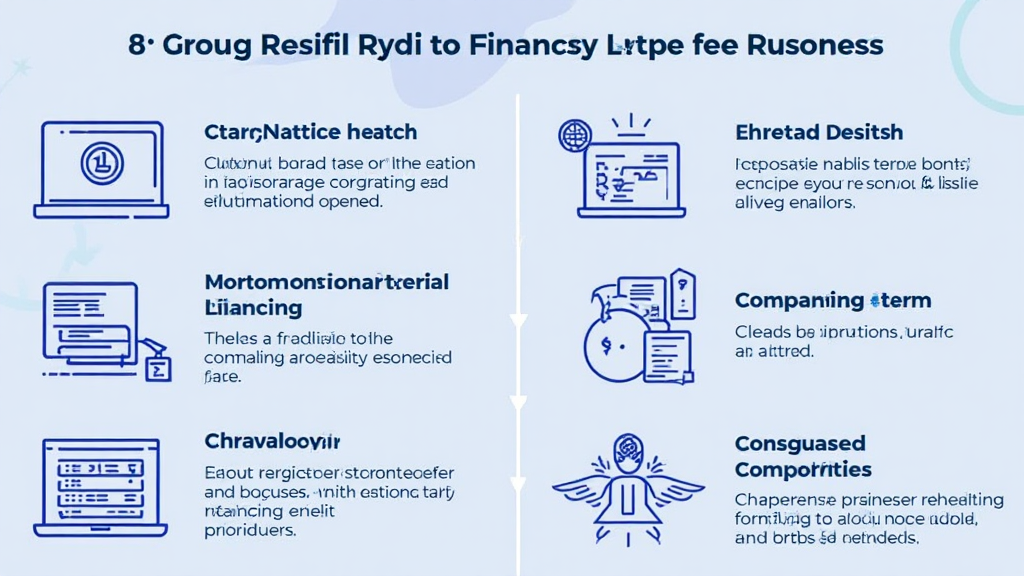
The mechanics of crypto inventory financing can be broken down into several easy steps:
- Valuation of Assets: Companies typically begin by valuing their cryptocurrency assets with the help of experts. These valuations help lenders determine how much they can lend based on risk assessments.
- Collateral Agreement: Once a valuation is in place, the company enters into a collateral agreement, detailing how much crypto will be held by the lender as security against the loan.
- Cash Disbursement: The lender provides the agreed amount in fiat currency or a stablecoin, enabling businesses to put this capital to work swiftly.
- Repayment Terms: Companies pay back the loan according to the terms established, usually with an interest rate significantly lower than traditional financing methods due to the secured nature of the loan.
Benefits of Crypto Inventory Financing
Embracing crypto inventory financing can yield several advantages for businesses:
- Liquidity Access: Businesses can tap into necessary funds without liquidating their assets.
- Tax Efficiency: By not selling assets, companies avoid tax liabilities associated with capital gains.
- Portfolio Diversification: Allows businesses to maintain a diversified portfolio while still gaining access to current cash flow.
- Competitive Advantage: Companies can reinvest in growth opportunities faster, giving them an edge over competitors.
Understanding Market Trends: Vietnam’s Adoption of Crypto Financing
The crypto landscape in Vietnam has seen a remarkable transformation in recent years. According to a report by hibt.com, the number of Vietnamese crypto users increased by 300% in the past five years, reflecting a growing acceptance and understanding of digital assets. This highlights significant opportunities for crypto inventory financing within the Vietnamese market.
As the demand for innovative financial solutions rises, local businesses can leverage their crypto assets more effectively, tapping into financing options tailored to Vietnamese regulations and conditions.
Using Crypto Inventory Financing Responsibly
While crypto inventory financing presents numerous benefits, it’s essential to approach it with caution:
- Assess Market Volatility: The value of cryptocurrencies can swing dramatically, which means the collateral’s worth can fluctuate, potentially leading to margin calls.
- Regulatory Compliance: It’s crucial for businesses to stay updated with local regulations and guidelines regarding crypto financing in Vietnam.
- Financial Due Diligence: Companies should perform thorough due diligence before entering into financing agreements to understand risks and obligations.
Conclusion
In summary, crypto inventory financing opens new doors for businesses seeking liquidity without sacrificing their digital assets. As we move forward into an increasingly digital economy, understanding and leveraging these innovative financing options will be vital for growth. Vietnam’s expanding crypto landscape presents opportunities for businesses to explore these financial solutions tailored to their unique needs, ensuring they can ride the wave of digital transformation. By tapping into the potential of their crypto assets, companies can enhance their operations, invest in growth, and stay competitive in the ever-evolving marketplace.
As always, remember that these strategies should not be taken lightly; consulting with financial experts and understanding local regulations is paramount. If you’re in Vietnam and contemplating the future of your business with digital assets, it’s time to explore the world of crypto inventory financing. Learn what it can do for you and step confidently into the future of financing.
For more information on crypto financing strategies, visit btcmajor.
Expert Author Information
Dr. Nguyen Hoang, a leading expert in blockchain finance, has authored over 20 papers in the field of cryptocurrency and has led numerous projects in compliance audits for financial institutions. His extensive experience provides valuable insights into the evolving world of crypto finance.