
NFT Ticketing System: Revolutionizing Access in the Digital Age
In today’s digital landscape, the ticketing industry is undergoing a profound transformation. The emergence of the NFT ticketing system not only caters to growing demand for secure and verifiable event access but also takes advantage of blockchain technology’s unique capabilities. One key statistic highlights this shift: in 2024 alone, ticket fraud is estimated to cost the industry upwards of $1 billion. As events and experiences increasingly lean towards digital platforms, incorporating blockchain technology emerges as a solution to enhance security, authenticity, and efficiency.
What is an NFT Ticketing System?
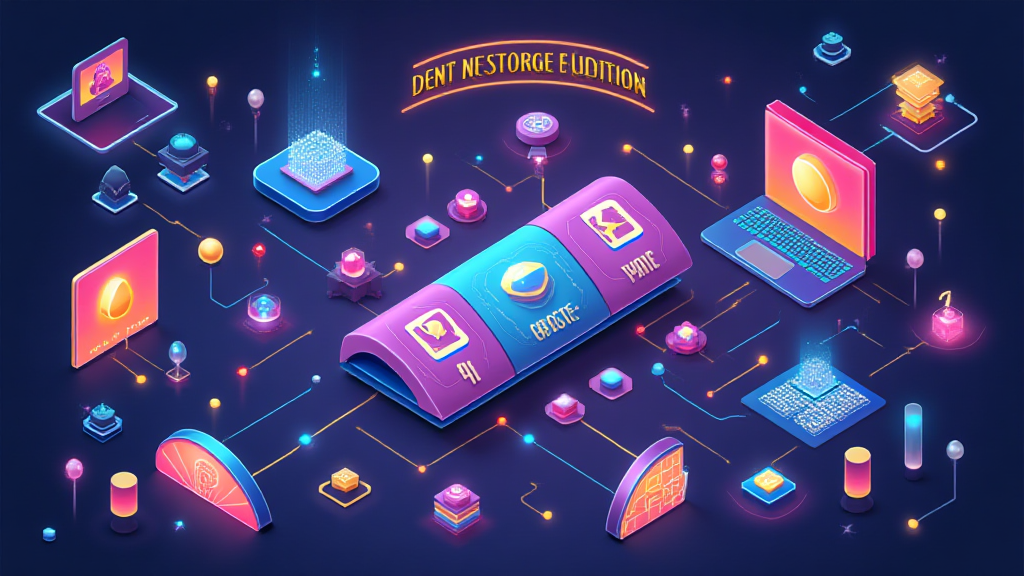
At its core, an NFT ticketing system utilizes non-fungible tokens (NFTs) to represent access rights to events. Unlike traditional tickets, NFTs are stored on a blockchain, ensuring their uniqueness and preventing duplication. Each ticket is a digital asset allowing verified ownership and transfer, thus eliminating the risk of fraud.
- Secure Transfer: NFTs can be transferred easily between users without third-party involvement, enhancing security.
- Programmable Features: Smart contracts can be programmed to include terms, such as resale rights or royalties for artists.
- Data Transparency: All transactions are traceable on-chain, ensuring a transparent ticketing process.
The Advantages of Using NFT Ticketing Systems
So, what makes NFT ticketing a game changer? Here are some significant advantages:
1. Combatting Counterfeiting
Counterfeiting has long plagued the ticketing industry. According to a study by Statista, approximately 38% of fans have encountered counterfeit tickets at least once. An NFT ticketing system significantly mitigates this issue, providing verified owners with reliable proof of authenticity.
2. Enhancing Fan Engagement
NFT tickets can include interactive features that enhance fan experiences. For example, attendees can receive exclusive content or access behind-the-scenes material through their NFT tickets, creating a personalized and value-added experience.
3. New Revenue Streams
Organizers can capture additional revenue through secondary sales and resales. Smart contracts allow event organizers to earn royalties on each resale, which is impossible with traditional ticketing systems.
4. Localization Opportunities in Markets Like Vietnam
The Vietnamese market is experiencing rapid growth in the adoption of digital assets. A report by the Ministry of Information and Communications indicated that the number of crypto users in Vietnam grew by over 35% in 2023. This presents a golden opportunity to establish NFT ticketing systems in local contexts, enhancing accessibility and security for local events.
5. Improved Data Analytics
NFT ticketing also offers opportunities for enhanced data analytics. Organizers can analyze purchasing behaviors and preferences directly from blockchain data, helping them tailor future events effectively.
Challenges Facing NFT Ticketing Systems
While the advantages are clear, challenges also exist:
- Technical Knowledge: Event organizers may lack the necessary technical know-how to implement NFT systems.
- Blockchain Misconceptions: There is still some misunderstanding about blockchain technology among consumers.
- Market Volatility: The fluctuating nature of cryptocurrencies may deter some users from embracing NFT ticketing systems.
How to Implement an NFT Ticketing System
Implementing an NFT ticketing system involves several strategic steps:
1. Choose the Right Blockchain
Select a blockchain that can handle the unique requirements of ticketing, such as Ethereum or Binance Smart Chain.
2. Develop or Partner with a Platform
Build a custom platform or partner with existing NFT ticketing solutions to facilitate transactions and ticket creation.
3. Incorporate Smart Contracts
Utilize smart contracts to automate ticket transferring, resale rules, and revenue-sharing agreements.
4. Educate and Engage the Audience
Running educational campaigns can help address consumer fears and misconceptions, promoting a wider acceptance of NFT tickets.
5. Monitor and Optimize
Analyze sales and feedback continuously to refine the ticketing process and enhance user experience.
The Future of NFT Ticketing Systems
The future of NFT ticketing systems is bright. As consumers become more tech-savvy, and the demand for innovative solutions increases, we can expect wider adoption across various industries, from concerts to sporting events to exclusive experiences. Startups and established companies alike are already taking strides to harness blockchain technology, signifying a shift in traditional practices.
Conclusion
In summary, NFT ticketing systems offer a revolutionary approach to managing access to events, combining versatility, security, and enhanced customer engagement. In a world where digital proof and security are paramount, the incorporation of non-fungible tokens within the ticketing process appears not just beneficial but essential. For organizations looking to stay ahead in the evolving landscape, embracing NFT ticketing systems is the way forward.
As we draw to a close, it’s essential to connect with the innovations shaping industries today. For those in Vietnam, leveraging the growing interest in NFTs is not just timely—it’s a way to establish a foothold in the future of ticketing.
Don’t forget to visit btcmajor for insights on cryptocurrency trends and tools to help you navigate this transformational journey.
Author Bio: John Smith, a blockchain consultant with over 15 years of experience in the tech industry, has published more than 30 papers in leading journals and has been the lead auditor for notable projects like Ethereum contracts.