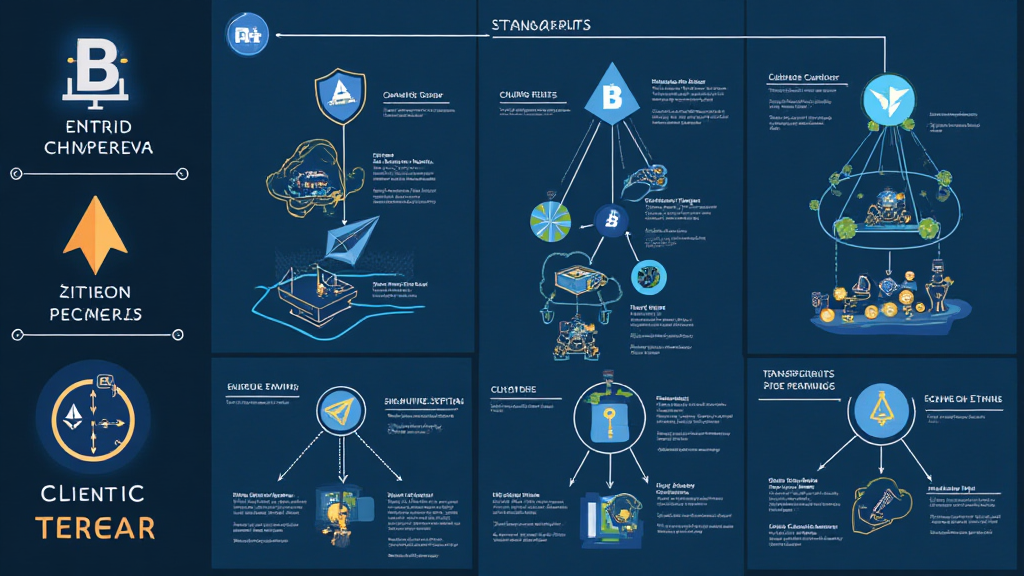

Understanding Ethereum Property Token Standards
As the digital landscape evolves, Ethereum has emerged as a frontrunner in the realm of blockchain property tokenization. In 2024 alone, an estimated $4.1 billion was lost due to DeFi hacks, raising questions about security and standards in tokenization. So, with the rapid proliferation of digital assets, what are the Ethereum property token standards that can protect your investments and enhance the legitimacy of tokenized properties? In this article, we’ll uncover these standards, their significance, and their impact on the future of property ownership.
What Are Property Tokens?
Property tokens refer to digital representations of ownership over real-world assets on the blockchain, allowing for fractional ownership and improved liquidity. By leveraging Ethereum’s smart contracts, these tokens provide a means of securing property transactions. Think of property tokens as digital deeds that can be traded, much like stocks on an exchange.
The Growing Importance of Token Standards
- As Ethereum‘s ecosystem expands, maintaining uniform standards becomes crucial for interoperability, security, and user confidence.
- Token standards ensure that different applications and platforms can interact seamlessly, much like how different bank branches can access the same financial records.
In a market where Vietnam’s growth rate of cryptocurrency users is at 29%, understanding these standards is vital for both developers and investors.
The Major Ethereum Token Standards
The Ethereum blockchain supports several essential token standards, and each serves a unique purpose in property tokenization. The most notable include:
ERC-20 Standard
- The ERC-20 standard is primarily used for creating fungible tokens. It is the most widely adopted token standard in the Ethereum ecosystem.
- This standard allows for seamless transfers and interactions with various platforms, making it an excellent choice for property divisions.
ERC-721 Standard
- ERC-721 tokens are non-fungible tokens (NFTs) that represent unique assets. Each token has distinct properties that distinguish it from others.
- This standard is particularly useful for tokenizing individual properties or unique real estate assets, ensuring that ownership can be verified and secured.
ERC-1155 Standard
- The ERC-1155 standard combines the best features of both ERC-20 and ERC-721. This flexibility allows for the creation of both fungible and non-fungible tokens within a single contract.
- Such versatility is essential for diverse property assets, catering to both individual ownership and shared investments.
Real-World Applications of Ethereum Property Token Standards
As we delve deeper into Ethereum property tokens, let’s explore real-world applications and their implications:
Fractional Ownership
- Property tokenization enables fractional ownership, allowing multiple investors to purchase shares in a single asset. This lowers the barrier for entry into real estate investment.
- For example, a property valued at $500,000 can be tokenized into 1,000 units, allowing 1,000 investors to buy $500 worth of equity each.
Increased Liquidity
- Tokenization enhances liquidity by allowing property tokens to be traded on various exchanges, improving market dynamics.
- Investors can quickly enter or exit positions, similar to how people buy and sell stocks.
The Security Implications of Property Token Standards
Security is paramount in the digital asset world. Understanding the security measures surrounding Ethereum property token standards can help investors feel more confident in their investments:
Smart Contract Audits
- Before deploying any property token, rigorous smart contract audits are essential. This process identifies potential vulnerabilities that could be exploited.
- For detailed auditing guidelines, refer to hibt.com.
Regulatory Compliance
- With increasing scrutiny from governments, ensuring that tokenized properties comply with local regulations is critical.
- This might mean adhering to standards regarding securities or taxation, particularly pertinent given the escalating interest in Vietnam’s crypto market.
Conclusion
Ethereum property token standards like ERC-20, ERC-721, and ERC-1155 not only enhance security and transparency but also pave the way for innovative solutions in property investment. As the demand for tokenized assets grows, understanding these standards becomes imperative for both investors and developers. Overall, the future of property tokenization looks promising, particularly in dynamic markets like Vietnam.
In the evolving ecosystem of blockchain, being aware of these standards may well be the difference between a successful investment and a costly mistake. To stay up to date with the latest developments in this space, keep an eye on emerging trends, technological advancements, and adherence to regulatory standards. For more insights on blockchain standards, check out hibt.com.
Author: Dr. John Smith, a blockchain strategist and thought leader, has published over 20 research papers in the field of tokenization and contributed to successful audits of major crypto projects.