

Introduction
With $4.1 billion lost to DeFi hacks in 2024, investors are increasingly leaning towards technical analysis to navigate the volatile crypto markets. Understanding the pivotal tools and strategies for technical analysis not only enhances decision-making capabilities but also empowers investors to manage risks effectively. In this guide, we will delve into the essential aspects of technical analysis, from chart patterns to indicators which can significantly impact trading success.
What is Technical Analysis?
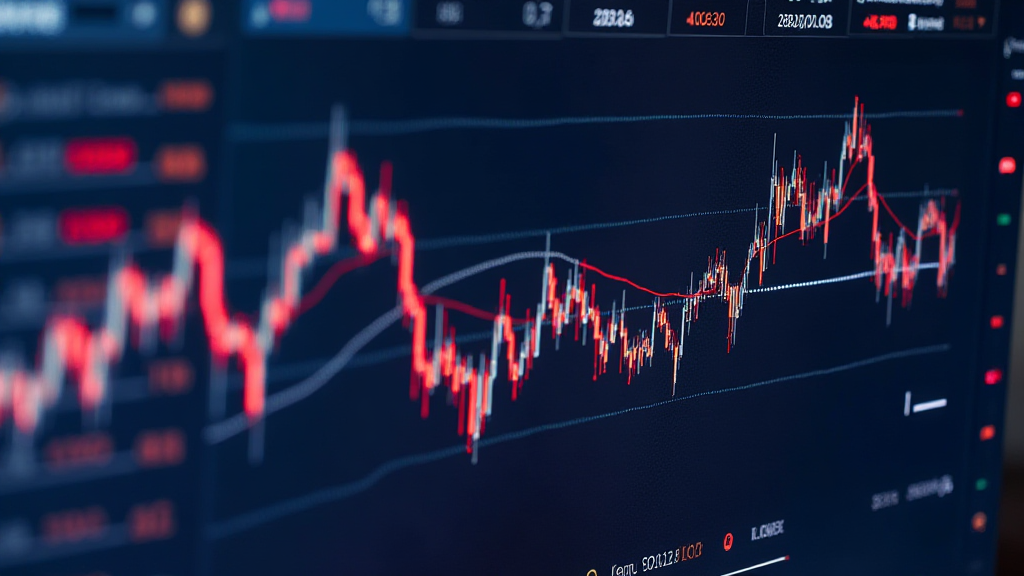
Technical analysis is a method used to evaluate and forecast the future price movements of assets, including cryptocurrencies, based on historical price data and volume patterns. Rather than focusing on underlying fundamentals, traders utilize charts and various technical indicators to assess market behavior.
For instance, imagine navigating an unfamiliar city; maps and signs guide your journey, much like charts and indicators guide traders in the crypto realm. Here’s what you need to know:
- Charts display price trends.
- Indicators provide measurable data for analysis.
- Patterns within charts help predict future movements.
The Importance of Volume in Crypto Trading
Volume is crucial in technical analysis, as it indicates the strength of a price movement. High trading volume often suggests a strong price trend, while low volume can signal potential reversals or consolidation phases. In Vietnam’s growing market, the volume of crypto trades has seen a remarkable increase, reflecting heightened interest and participation from local investors.
Key Indicators for Technical Analysis
There are several key indicators traders rely on to analyze crypto markets:
- Moving Averages (MA): Smooths out price data and identifies trends over specific periods.
- Relative Strength Index (RSI): Measures the speed and change of price movements, indicating overbought or oversold conditions.
- Bollinger Bands: Provides volatility measurements based on price movement.
Using Indicators Effectively
Indicators should be used in conjunction with other forms of analysis for the best results. For example, an RSI reading of over 70 typically suggests that an asset is overbought, signaling a potential downward correction. However, in a strong bullish market, such signals can often lag. Incorporating fundamental analysis alongside can provide a more holistic view.
Chart Patterns to Watch
Recognizing chart patterns can also assist in making more informed trading decisions:
- Head and Shoulders: A reversal pattern indicating that a trend may be changing direction.
- Flags and Pennants: Continuation patterns showing that a strong trend will likely continue.
- Double Tops and Bottoms: Reversal patterns indicating potential price reversals.
For aspiring traders in Vietname, understanding these patterns through local contexts can improve trading outcomes, particularly in an ever-growing market.
Combining Tools for Optimal Results
Successful traders often combine multiple tools for better insights. For example, using moving averages to identify the trend and the RSI to understand momentum can yield more confidence in trading decisions. The synergy between tools strengthens analysis and enhances potential profitability.
Implementing a Trading Strategy
Creating a trading strategy is crucial for success. Here are some elements to consider:
- Risk Management: Always determine how much capital you are willing to risk on a trade.
- Entry and Exit Points: Clearly define when to enter and exit trades based on analysis.
- Consistency: Stick to your strategy even in the face of market volatility.
As the landscape of crypto investing continues to evolve, it’s important to keep updated with trends to refine your strategy and adjust as necessary to maintain profitability.
Future Outlook for Crypto Trading in Vietnam
The Vietnamese crypto landscape has witnessed significant growth, with a user growth rate of over 40% in the past year. As more investors enter the market, the importance of technical analysis becomes even more pronounced. Diligent traders are encouraged to continuously learn and adapt to new tools and strategies to navigate this dynamic environment.
Common Mistakes to Avoid
Even seasoned traders can fall into traps. Here’s what to watch out for:
- Overtrading based on emotional reactions.
- Ignoring fundamental factors affecting asset value.
- Failing to practice proper risk management.
Conclusion
In conclusion, leveraging technical analysis in cryptocurrency trading equips investors with the necessary tools to navigate an increasingly complex market environment. As the crypto landscape evolves, the integration of technical strategies with a robust understanding of market dynamics remains crucial for success.
Remember, the world of crypto trading is filled with opportunities, but also with risks. By implementing strong technical analysis practices, you position yourself favorably for sustainable success. For more insights into crypto trading, visit hibt.com. Not financial advice. Consult local regulators.
For those interested in the future of cryptocurrency investment, a deeper understanding of technical analysis can make all the difference. Start building your strategy today by exploring key indicators and strategies!
Author: Dr. Le Minh Duc – An expert in blockchain technology with over 15 published papers and has led multiple high-profile project audits. His extensive experience in the crypto space makes him an authority in digital asset management.