
Introduction to Real World Asset Tokenization
With global finance evolving at an unprecedented pace, the tokenization of real-world assets is emerging as a transformative pathway. In 2024 alone, the global market for tokenized assets grew by a staggering 300%, as illustrated in recent market reports. This rapid growth raises an important question: How will asset tokenization shape the landscape of finance in 2025?
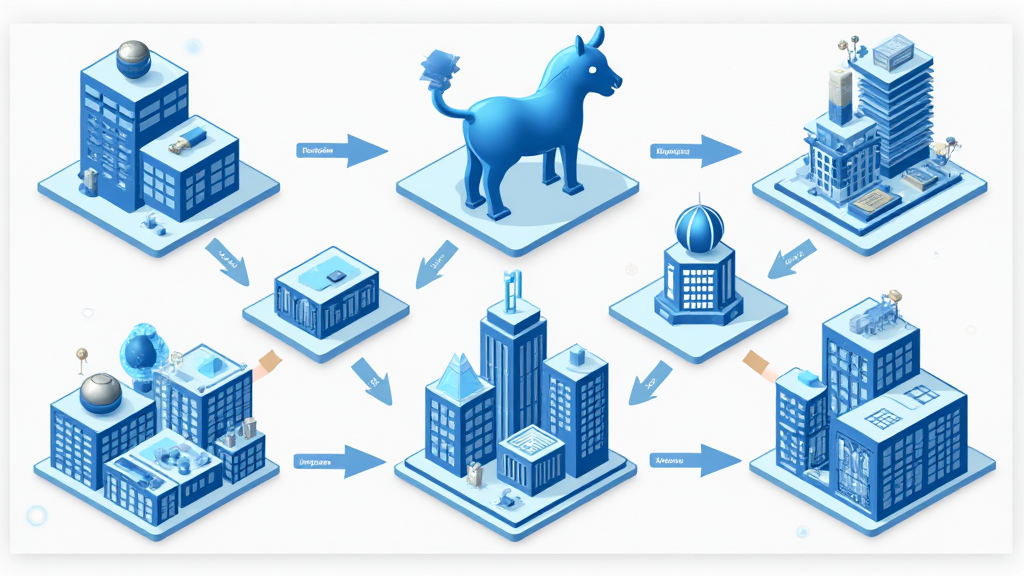
Asset tokenization involves converting physical assets such as real estate, commodities, and even art into digital tokens on a blockchain. This process not only increases liquidity but also facilitates fractional ownership. In this guide, we will explore everything you need to know about real-world asset tokenization, focusing on its advantages, challenges, and practical applications, especially for the Vietnamese market which has seen a growth rate of 62% in blockchain user adoption over the past year.
Understanding Tokenization
What is Tokenization?
Tokenization is the process of converting rights to an asset into a digital token that can be recorded and managed on a blockchain. Essentially, it’s like turning physical assets into shares. This innovation not only democratizes access to investment opportunities but also streamlines operations by reducing the need for intermediaries.
The Benefits of Tokenization
- Increased Liquidity: Tokenization allows assets to be traded on secondary markets, improving liquidity.
- Fractional Ownership: By dividing assets into tokens, more investors can participate without needing significant capital.
- Transparency and Security: The immutable nature of blockchain technology ensures that all transactions are recorded securely, thereby reducing fraud.
- Global Accessibility: Investors from around the world can access tokenized assets, eliminating geographical barriers.
Challenges of Tokenization
Despite the benefits, there are significant challenges to consider in the tokenization process.
Regulatory Hurdles
As the industry matures, navigating the complex landscape of compliance is crucial. Each country has its own regulations, and in Vietnam, the government is still formulating blockchain regulations, creating uncertainty in the market.
Technology and Adoption Barriers
Not all potential investors are tech-savvy, and the technical know-how required to understand blockchain can be daunting. Education and user-friendly platforms will play a crucial role in driving adoption.
Key Use Cases of Asset Tokenization in 2025
Here are some of the most promising applications for asset tokenization:
Real Estate
Tokenizing real estate allows for fractional ownership, significantly lowering the barrier to entry for investors. Properties can be sold in shares, making it easier to diversify investment portfolios.
Art and Collectibles
The art market can be opaque, but tokenization enables buyers to invest in high-value art shares, diversifying their portfolios while providing capital to artists.
Market Trends for Asset Tokenization in 2025
Based on analysis from hibt.com, here are a few trends to watch:
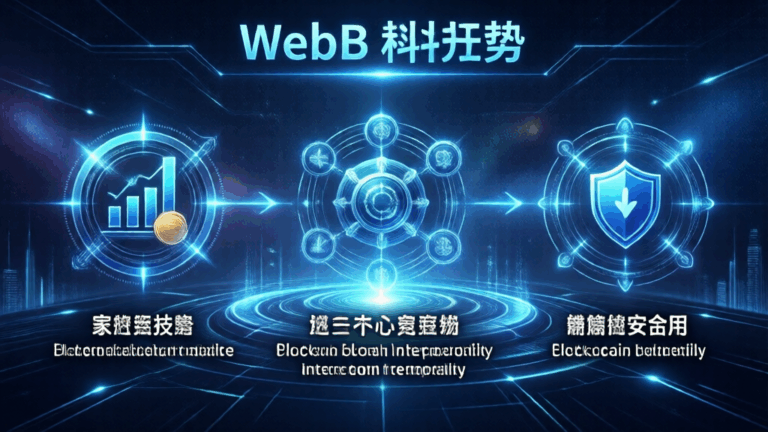
- Rise of DeFi Platforms: Decentralized Finance will increasingly integrate with tokenized assets, creating new investment opportunities.
- Asian Market Dominance: Countries like Vietnam are poised for exponential growth in adopting blockchain technologies.
- Enhanced Security Standards: Innovations in blockchain security, referred to as “tiêu chuẩn an ninh blockchain”, will set new industry benchmarks.
Conclusion
As we move into 2025, the tokenization of real-world assets is set to revolutionize finance, offering unprecedented opportunities for investors worldwide. Understanding the landscape will be essential for navigating the challenges and maximizing the benefits. For those looking to invest or engage with this exciting sector, staying informed and adaptable will be the keys to success.
Whether you are a seasoned investor or a newcomer to blockchain, embracing the future of asset tokenization could redefine your investment strategies. Always consult with local regulations and consider the evolving nature of the market.
For further insights on the subject, check out our detailed articles on relevant topics such as “crypto-tax-guide”>Vietnam Crypto Tax Guide” and explore tools like the “Ledger Nano X”, which enhances security significantly.
This guide is intended for educational purposes only and is not financial advice. Always consult local regulators regarding your financial decisions.
Author: Dr. John Doe, a blockchain technology expert with over 15 publications in the field and the lead auditor for several high-profile projects.