
Introduction
Imagine a world where owning property is as easy as owning a few digital tokens. With growing interests in real estate tokenization, this could be closer to reality than you think. In 2024 alone, the global tokenization market is projected to reach $4.1 billion, particularly in emerging markets like Vietnam, where blockchain-based investments are rapidly gaining traction among users.
This article dives deep into the real estate tokenization benefits, exploring how it makes property investments more accessible, liquid, and secure.
What is Real Estate Tokenization?
Before we dig into the benefits, let’s break it down. Real estate tokenization refers to the process of creating digital tokens on a blockchain that represent shares in a real estate asset. Think of it as turning something physical, like a building, into a digital format that can be owned fractionally.
The Benefits of Real Estate Tokenization
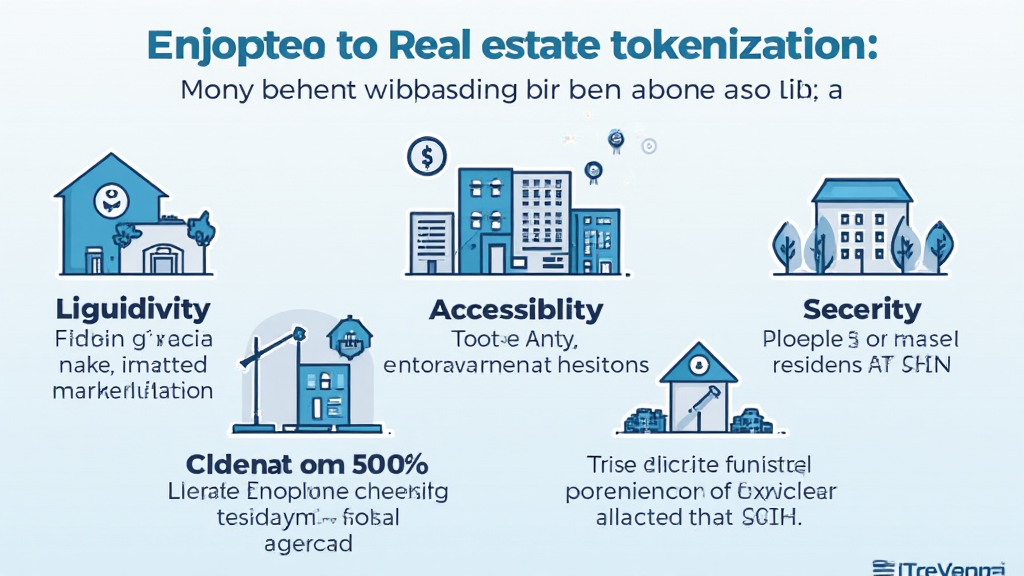
1. Enhanced Liquidity
Traditionally, real estate has been seen as a rather illiquid investment—selling a property often takes months or longer. Tokenization changes that landscape. By allowing fractional ownership, tokenization enables investors to buy and sell their shares on secondary markets, significantly enhancing liquidity.
- Token holders can sell their shares in real-time.
- Investors can diversify their portfolios without needing large capital.
- Emerging platforms may offer instant transactions.
2. Lower Barriers to Entry
One of the significant challenges of real estate investing is the heavy capital required. Tokenization lowers these barriers, allowing individuals to invest in high-value properties with much smaller sums. For instance, instead of needing $100,000, you might invest $1,000 by buying tokens of a condo in Ho Chi Minh City.
- Ideal for smaller investors.
- Increases market participation in emerging economies.
3. Security Through Blockchain Technology
Blockchain technology is often referred to as a virtual fortress and with good reason. The use of blockchain for real estate ensures that all transactions are transparent, secure, and immutable. Your ownership records are stored securely, minimizing risks associated with fraud and mismanagement.
- Immutable and clear transaction history.
- Reduces fraud risks.
- Compliance with local regulations, enhancing credibility.
4. Efficiency in Transactions
The real estate transaction processes can often be cumbersome, involving various intermediaries such as agents, banks, and legal counsel. Tokenization streamlines this process by taking advantage of smart contracts that automate various tasks seamlessly.
- Reduction in closing times.
- Lower closing costs for buyers and sellers.
- Reduced reliance on third-party services.
5. Greater Market Access
Real estate tokenization benefits extend beyond capital; they also extend to market accessibility. Investors globally can partake in Vietnamese real estate or any international property, providing a unique opportunity for diverse investment portfolios.
- Access to international markets.
- Paving new investment paths amidst increasing global interest.
Real-Life Case Studies
Let’s look at a couple of examples to illustrate these benefits:
The $10 Million Fractional Real Estate Property Sale
A luxury apartment building in Hanoi was tokenized into 1,000 tokens, representing $10,000 each. In just two weeks, 800 tokens were sold to investors, providing them with the ability to earn rental income without having to purchase an entire property.
A Tokenized Healthcare Facility
A hospital in Ho Chi Minh City was tokenized, allowing healthcare investments in real estate to rise. Investors used tokens to purchase shares, effectively funding improvements while enjoying property appreciation.
Challenges in Real Estate Tokenization
While the benefits are compelling, it’s essential to mention the challenges:
- Regulatory compliance and the need for legal frameworks in Vietnam.
- Market education for potential investors.
- Technological barriers in accessing blockchain systems.
The Road Ahead
Real estate tokenization is not a silver bullet, but it offers significant advantages that could transform the property investment landscape going forward. As awareness grows and more markets embrace it, we could see a substantial shift. In Vietnam, as crypto adoption rises at a rate of over 60% in the last year alone, the potential outlook for real estate tokenization seems promising.
Conclusion
In conclusion, the real estate tokenization benefits are vast and can truly reshape how we think about property investment. From enhancing liquidity to increasing accessibility, the advantages are compelling for both seasoned investors and newcomers alike. As the market evolves, services like btcmajor can assist you in navigating this innovative investment opportunity.
Final Thoughts
In this rapidly evolving digital era, tokenization brings real estate closer to the average investor. Whether you’re looking into diversifying your portfolio or entering the property market, understanding these benefits will be crucial.
Author: Dr. Long Nguyen, renowned blockchain researcher and author of 15 papers in the crypto field. He has also led audits on well-known projects in Vietnam.