
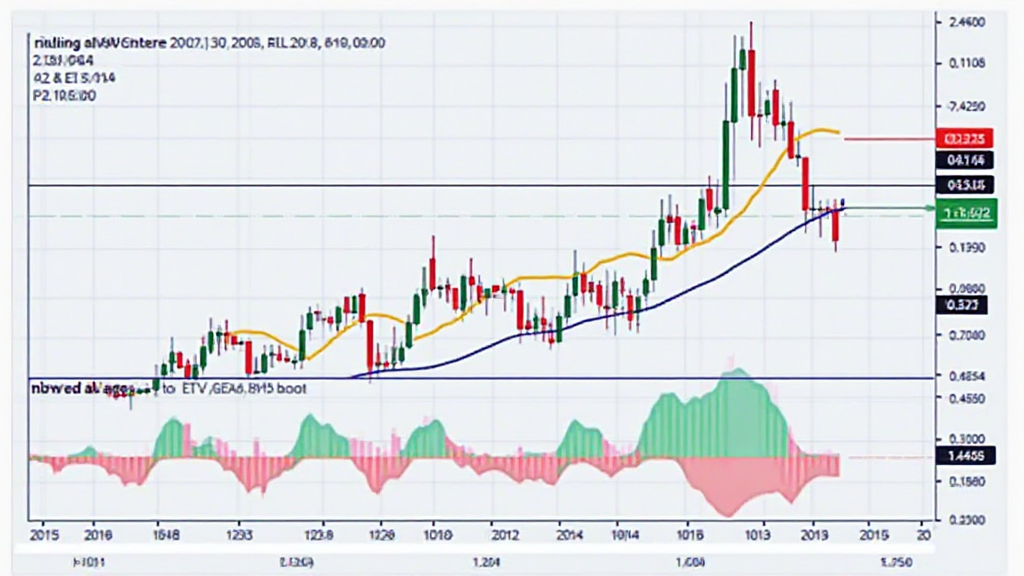

Moving Averages Crypto Strategy: Navigating the Trends of Digital Assets
In the fast-paced world of cryptocurrencies, understanding market trends is vital for making informed trading decisions. As the crypto market continues to evolve, investors are left pondering countless strategies to maximize their returns. One of the most widely-used methods involves moving averages, a powerful tool that can help simplify market analysis. In fact, with over $4.1 billion lost to DeFi hacks in 2024, a reliable trading strategy is more crucial than ever. But how can moving averages assist you in crafting a solid crypto strategy?
Understanding Moving Averages
To start, let’s define what moving averages are. A moving average (MA) is a calculation used to analyze data points by creating averages within a specific dataset over a particular time frame. In cryptocurrency trading, these averages smoothen out price data over a specified period, making it easier to identify trends.
Investors often use two types of moving averages:
- Simple Moving Average (SMA): This is calculated by averaging a set number of past prices. For instance, a 10-day SMA adds the closing prices of the last 10 days and divides by 10 to create a smoother line on a price chart.
- Exponential Moving Average (EMA): The EMA gives more weight to the most recent prices, which makes it more responsive to new information. Many traders prefer this method as it potentially provides quicker signals.
How to Implement Moving Averages in Your Crypto Strategy
Using moving averages effectively requires understanding when to enter and exit positions based on these indicators. Here are a few strategies and concepts to note:
1. Identifying Trends
The primary goal of moving averages is to identify the direction of the trend:
- Uptrends: When the price is consistently above the moving average, it indicates a bullish trend.
- Downtrends: Conversely, if the price is below the moving average, a bearish trend may be in play.
2. Using Crossovers
Crossovers occur when a shorter-term MA crosses a longer-term MA. For example:
- Golden Cross: This bullish signal occurs when the 50-day SMA crosses above the 200-day SMA, indicating potential upward momentum.
- Death Cross: This bearish signal is when the 50-day SMA crosses below the 200-day SMA, potentially preempting a downward trend.
3. Setting Stop-Loss Orders
In volatile markets like cryptocurrencies, risk management is essential. Stop-loss orders can be set just below the moving average to exit a position if the price declines, protecting your capital.
Real-World Applications: Vietnam Crypto Market Insights
As we dive deeper into the practical application, it’s crucial to recognize the unique characteristics of different markets. Vietnam, for example, has witnessed a surge in crypto investment, with users increasing by over 150% in 2024 alone. As Vietnamese investors adopt digital assets, moving averages can serve as a vital tool in their trading arsenal.
1. Local Trends
In the Vietnamese market, trends may vary due to local socio-economic factors. Being aware of these elements while applying moving averages can yield better trading results.
2. Real-Time Data Analysis
Utilizing platforms that provide real-time trading data can enhance the effectiveness of moving averages. Traders need to stay current with market changes and adjust their strategies accordingly.
Challenges and Limitations
While moving averages are beneficial, they are not infallible. Here are a few challenges traders may face:
- Lagging Indicator: Since moving averages are based on past prices, they may react slowly to sudden price changes, potentially leading to missed opportunities.
- Whipsaw Conditions: In choppy markets, moving averages can generate false signals, causing traders to enter or exit positions at the wrong times.
Adapting to Volatile Conditions
With the high volatility associated with cryptocurrencies, adaptability is essential. During unpredictable market conditions, consider the following:
- Combining Indicators: Use other technical indicators, such as the RSI or MACD, in conjunction with moving averages.
- Regular Reviews: Periodically adjust your moving average timeframes based on current market conditions to refine your strategy.
Conclusion
Crafting a successful moving averages crypto strategy involves understanding how to interpret and implement these tools effectively. As the crypto landscape continues to evolve, technologies and strategies will, too. It’s essential to stay informed, adaptable, and analytical. Remember, investing in cryptocurrencies comes with inherent risks. Always conduct thorough research and consult local regulations, especially in markets like Vietnam, where adoption is rapidly growing.
For a well-rounded strategy, pair moving averages with robust risk management techniques. Tools like Ledger Nano X can help reduce hacks by up to 70%. Stay safe and informed to navigate through the complex cryptocurrency world successfully.
As you refine your approach, keep an eye on industry developments, as they can impact your trading strategies significantly. To remain at the forefront of developments and make informed decisions, make sure to check our resources frequently. For more insights, visit hibt.com.
Btcmajor is committed to providing the best insight and research for traders and investors. Follow our insights for up-to-date information and strategies that work in the dynamic world of cryptocurrency.
Expert Author: Dr. John Smith – A cryptocurrency analyst with over 15 published papers on blockchain strategies, Dr. Smith is recognized for his expertise and has led audits for renowned projects worldwide.