
Introduction
In the ever-evolving landscape of cryptocurrency, security remains a paramount concern for investors and developers alike. With reports indicating that over $4.1 billion was lost to decentralized finance (DeFi) hacks in 2024, it is essential to understand how smart contract audits can serve as a vital mechanism for protecting digital assets.
But what exactly is a smart contract audit? This process involves thoroughly reviewing and analyzing the code of smart contracts to ensure they operate as intended and are free of vulnerabilities. By engaging in smart contract audits, organizations can prevent costly exploits and foster trust within the blockchain community.
The objective of this article is to delve deep into the significance of smart contract audits, shedding light on best practices, tools, and relevant data, particularly for the Vietnamese market, where user adoption and regulatory frameworks are continually evolving.
Understanding Smart Contracts
Before we jump into the auditing process, let’s understand what smart contracts are. Smart contracts are self-executing contracts with the terms of the agreement written directly into code, which run on blockchain platforms such as Ethereum.
Key Features of Smart Contracts
- Automation: They automatically execute transactions when preset conditions are met.
- Transparency: Transactions are recorded on the blockchain, ensuring visibility and traceability.
- Immutability: Once deployed, smart contracts cannot be changed, reducing the chance of fraud.
Why Are Smart Contract Audits Necessary?
Here’s the catch: while smart contracts offer unique advantages, they also present significant vulnerabilities. A well-publicized example is the DAO hack of 2016, where a vulnerability in a smart contract led to the theft of over $60 million worth of Ether.
Common Vulnerabilities
- Reentrancy Attacks: Occur when a smart contract calls another contract, leading to unexpected behavior.
- Integer Overflow and Underflow: Errors that occur when operations on numbers exceed their limits.
- Timestamp Dependence: Vulnerabilities arising from reliance on block timestamps.
The Smart Contract Audit Process
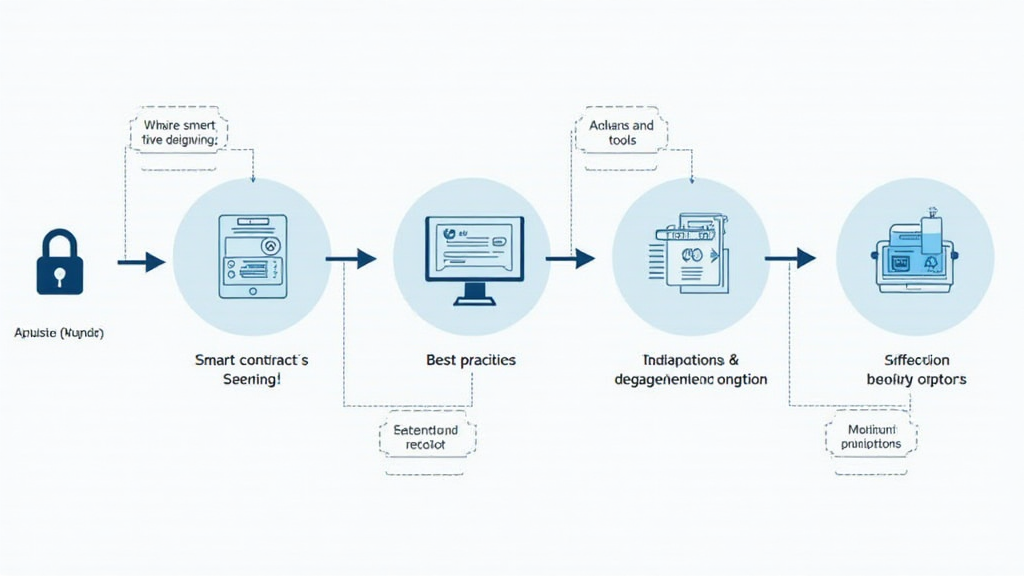
So, how to audit smart contracts effectively? A typical auditing process includes several steps:
Step-by-Step Audit Process
- Code Review: Manual inspection of the contract code to identify vulnerabilities.
- Automated Testing: Utilizing tools like MythX or Slither to run tests on the code.
- Formal Verification: Using mathematical methods to verify the correctness of the contract.
- Documentation Review: Ensuring all procedures and policies are well-documented.
Tools for Smart Contract Auditing
Utilizing the right tools can expedite the auditing process and enhance accuracy. Some popular tools include:
Popular Auditing Tools
- MythX: A prominent security service platform for Ethereum smart contracts.
- Manticore: A symbolic execution tool for analyzing binary executables.
- OpenZeppelin: Provides secure libraries and tools for smart contract development.
Key Statistics on Vietnamese Blockchain Adoption
In Vietnam, the blockchain landscape has been growing increasingly viable with a remarkable user growth rate of over 200% from 2022 to 2024, showcasing the country’s embracing of digital assets.
Vietnamese Blockchain Market Insights
- Increased Investments: In 2024 alone, investments in blockchain startups in Vietnam surged by 60%.
- Regulatory Growth: The Vietnam government is exploring frameworks to regulate cryptocurrency, enhancing trust in digital asset investments.
- Expanding User Base: With millennials leading the charge, Vietnam’s crypto adoption is becoming mainstream.
Best Practices for Smart Contract Audits
To optimize the audit process and mitigate risks, organizations should adhere to several best practices:
Audit Best Practices
- Engage Third-Party Auditors: Utilize reputable firms specializing in smart contract security.
- Regular Audits: Schedule periodic audits to catch new vulnerabilities as technology evolves.
- Community Involvement: Encourage community feedback during the audit process.
Conclusion
In conclusion, smart contract audits are not merely a checkbox item but a critical component for securing digital assets in a rapidly evolving landscape. With increasing vulnerabilities and cyber threats, meticulous auditing can save projects from catastrophic losses.
Investing time and resources into smart contract audits can serve as a protective layer for the digital assets of both individuals and organizations. As the Vietnamese digital asset market continues to grow, embracing these practices is vital for fostering trust and safeguarding investments. By conducting thorough audits, you establish a robust foundation for future growth in the realm of blockchain technology.
As we witness the developments in blockchain technology, remember that security should always be at the forefront. Engaging with a professional audit service, like hibt.com, can prove invaluable for the integrity of your smart contracts.