
2025 Liquid Restaking Protocols: Trends and Insights
As we approach 2025, the landscape of blockchain continues to evolve, especially with the emergence of liquid restaking protocols. Recent statistics indicate that over $4.1 billion was lost to DeFi hacks in 2024, urging the need for more secure staking solutions. Liquid restaking allows users to stake their assets while simultaneously using derivative tokens for other investments, creating a robust mechanism for liquidity and security. This article delves into the upcoming trends in liquid restaking protocols, their implications for the crypto industry, and their significance in markets such as Vietnam, where user growth is accelerated.
Understanding Liquid Restaking Protocols
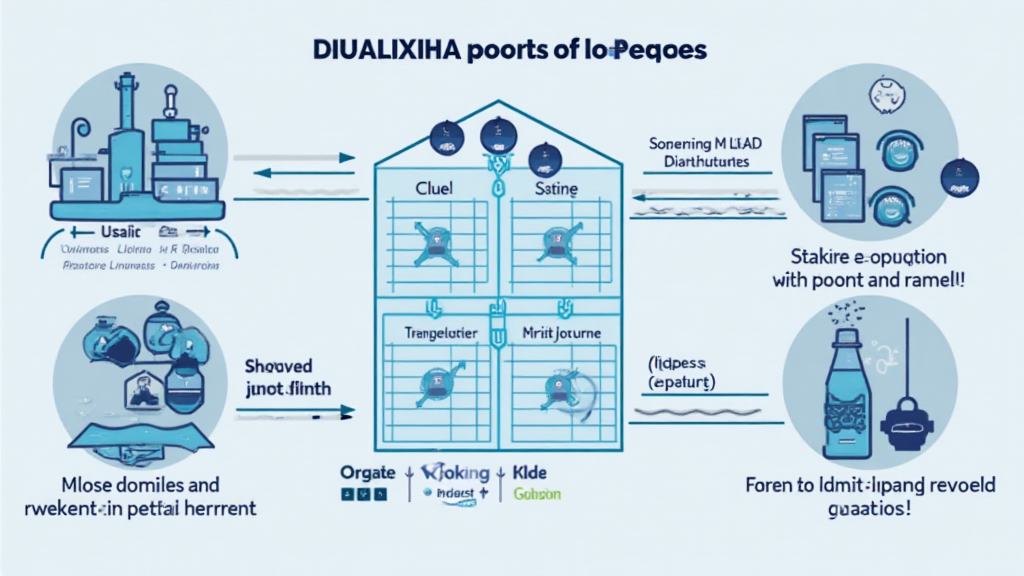
Liquid restaking, in essence, is a dual-layer staking process that allows users to earn yields on their staked assets while retaining liquidity. Think of it like a bank vault for digital assets; the vault is secure while you still have access to use your funds elsewhere. This protocol is a response to the growing demand for flexibility within the staking ecosystem.
The Mechanics of Liquid Restaking
When a user stakes their cryptocurrency, they typically lock it in the protocol for a specific period, which can limit their ability to trade or utilize those assets. Liquid restaking allows users to receive a derivative token that represents their staked assets, which they can then trade or invest further.
- Example of a Derivative Token: When a user stakes ETH through a liquid staking platform, they may receive stETH in return, which reflects their staked Ethereum.
- Multi-functionality: Users can continue to earn staking rewards while using their stETH in various DeFi applications.
This setup not only enhances liquidity in the market but also invites more users who previously hesitated to stake due to liquidity concerns.
Emerging Trends in 2025
As we look towards 2025, several crucial trends are emerging within the realm of liquid restaking protocols:
1. Increased Adoption of Multi-Chain Platforms
The rise of multi-chain ecosystems enables users to participate across different blockchain networks. Protocols that offer liquid restaking services across multiple blockchains are increasingly becoming popular.
- Data Insight: According to Chainalysis, multi-chain networks are projected to see user growth rates of 35% per annum through 2025.
- With enhanced interoperability, users can maximize their staking rewards and leverage liquidity across chains.
2. Enhanced Security Standards
Given the substantial losses incurred due to hacks, protocols are prioritizing security integrations for liquid restaking platforms. Technologies, such as zk-rollups and advanced encryption methods, are becoming standard.
- Blockchain Security Standards: Implementing stringent protocols and audits can drastically reduce potential vulnerabilities.
- As platforms mature, user confidence will build, thereby attracting more participants into staking.
3. Growing Popularity in Emerging Markets
Emerging markets, particularly Vietnam, are showing remarkable growth in cryptocurrency adoption. Recent studies show that Vietnam’s crypto user growth rate is around 25%, significantly fueled by liquid staking solutions.
- Market Penetration: Local exchanges are promoting liquid restaking services catering specifically to the Vietnamese population.
- This surge presents an opportunity for projects to capture and retain users in this region.
Utilizing Data-Driven Strategies
To ensure that liquid restaking protocols remain competitive, employing data-driven strategies will be key. This means analyzing user behavior and aligning offerings to meet market demands.
1. User-Centric Designs
- Platforms must focus on UX/UI to make the staking processes straightforward.
- Engagement through educational content about the benefits of liquid staking can also foster user growth.
2. Integration with DeFi Ecosystems
- Strategically partnering with DeFi platforms can enhance liquidity and create opportunities for effective cross-promotion.
- Creating ecosystems where users can stake, trade, and invest seamlessly is essential.
Challenges to Liquid Restaking Protocols
As promising as liquid restaking protocols are, they face several challenges that must be addressed:
1. Regulatory Scrutiny
- Regulatory bodies are increasingly focusing on crypto and DeFi projects.
- Protocols must be prepared to navigate varying regulations, especially as DeFi becomes mainstream.
2. Security Risks
- Despite advancements in security, risks such as smart contract vulnerabilities and external threats remain present.
- Regular audits and updates will be necessary to maintain integrity.
The Future of Liquid Restaking
As liquid restaking protocols pave the way for innovative financial solutions, they are set to play a significant role in the broader adoption of cryptocurrencies. The capability of users to stake their assets while maintaining liquidity will accelerate market participation.
To summarize:
- In 2025, liquid restaking protocols will witness accelerated adoption across multi-chain platforms.
- With enhanced security measures and a user-centric approach, trust and participation in these platforms will grow.
- Particularly in Vietnam and similar emerging markets, the liquid restaking boom will reinforce the crypto community.
Conclusion
As we move towards 2025, the trends and implications of liquid restaking protocols cannot be overstated. This innovative mechanism provides a vital solution for users seeking flexibility in staking while simultaneously enhancing liquidity. The integration of robust security measures and a focus on user experience will be essential for future success. With the crypto landscape continuously advancing, staying informed on these developments is critical.
For more insights into the evolving world of blockchain, visit btcmajor.
About the Author
Dr. Alexander N. Chang is a blockchain expert specializing in cryptographic security and smart contract audits. With over 12 published papers in the field and having led audits for several high-profile projects, his insights provide a comprehensive understanding of current and future trends in blockchain technology.