
Introduction
With over $4.1 billion lost to DeFi hacks in 2024, the need for robust security standards in the blockchain ecosystem has never been more critical. As cryptocurrency platforms evolve, so do the methods utilized to safeguard digital assets. In this context, EigenLayer restaking emerges as an innovative solution aimed at enhancing security through an integrated approach to capital utilization. This article delves into the mechanics of EigenLayer restaking, its implications for cryptographic security, and its prospects in the increasingly complex world of blockchain transactions.
Understanding EigenLayer Restaking
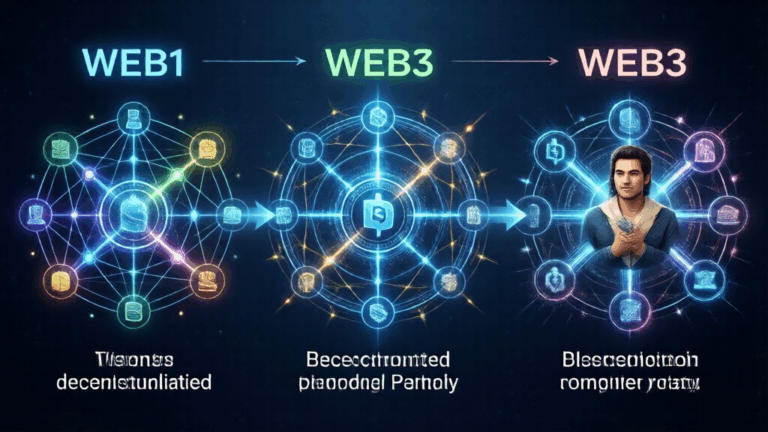
At its core, EigenLayer restaking allows users to leverage their existing staked tokens to participate in multiple networks simultaneously. This concept is not merely an iterative improvement; it serves as a pivotal element in reducing the security liabilities inherent to blockchain networks.
- Multi-network participation: Users can engage with various protocols using the same staked assets.
- Reduced attack surface: By distributing stake across multiple services, the risk of systemic failures is minimized.
- Higher returns: Participants can maximize their yield without needing to stake additional tokens.
So, what does this mean for investors and users within the crypto space? It means that restaking could redefine how we perceive and utilize our assets. EigenLayer restaking serves as a bridge connecting security and decentralization, a combination sought after by blockchain enthusiasts.
The Technical Side: How EigenLayer Works
To better understand EigenLayer, we need to explore its technical foundations. Here’s a simplified breakdown of how it operates:
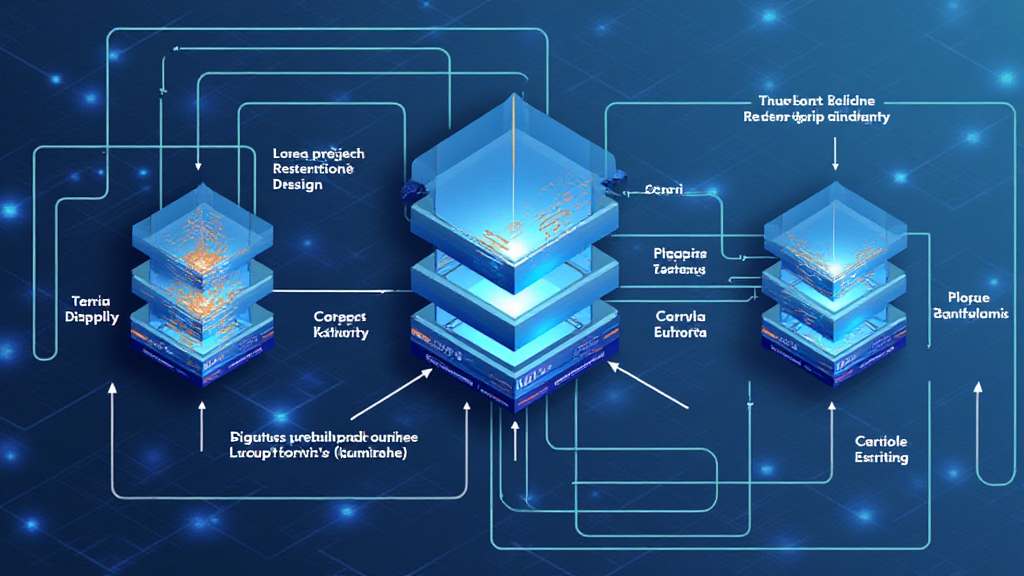
- Layer Structure: EigenLayer is built on top of existing blockchain layers, promoting efficiency and security.
- Restaking Mechanism: By reusing staked assets, EigenLayer reduces the need for redundant investments in staking separate tokens for each protocol.
- Oracle Integration: Consistent data verification from oracles ensures that all transactions are credible and reliable.
As seen in other platforms, the implementation of oracles significantly bolsters security by providing real-time data validation, which is fundamental in maintaining trust within the network.
Real-World Applications of EigenLayer Restaking
The versatility of EigenLayer restaking allows for infinite possibilities in its application. Some prominent areas that can benefit include:
- Decentralized Finance (DeFi): By restaking assets, users lower their risk exposure while simultaneously earning returns.
- Non-Fungible Tokens (NFTs): Artists and collectors alike can stake their NFTs, enhancing their liquidity while retaining ownership.
- Gaming Ecosystems: Players can restake in-game tokens, allowing them to participate in various gaming platforms concurrently.
Utilizing EigenLayer within these domains enhances security and encourages growth. For instance, the liquidity for NFTs leads to more transactions, thereby boosting their market value. This interconnected network further solidifies the position of EigenLayer in the crypto market.
Impact on the Vietnamese Crypto Landscape
As the Vietnamese cryptocurrency market continues to expand, the adoption of mechanisms like EigenLayer restaking will play a critical role. With an annual growth rate of 59% in cryptocurrency users in Vietnam, blockchain security features are essential to build user trust.
The integration of EigenLayer can enhance transaction security, making users feel more comfortable investing in crypto assets. Additionally, as more platforms adopt this innovation, the potential for credible growth in the Vietnamese market increases exponentially.
Challenges and Considerations
While the benefits of EigenLayer restaking are substantial, it is essential to recognize potential challenges:
- Regulatory Concerns: Governments worldwide are scrutinizing blockchain technologies. Compliance will be key.
- Technical Complexities: The integration of EigenLayer requires technical know-how, which could deter average users.
- Market Volatility: As with any crypto asset, the potential for price swings could affect staking returns.
For these reasons, continual education on EigenLayer and its implications is vital for users looking to engage with this innovative system.
The Future of EigenLayer Restaking in 2025
Looking forward, EigenLayer restaking is poised to significantly impact the cryptocurrency landscape. By the year 2025, we can anticipate:
- More Security Protocols: As hacks and fraud continue to plague the industry, EigenLayer could provide robust defenses against these threats.
- Widespread Adoption: More platforms may integrate EigenLayer to ensure security, attracting more users.
- A New Era of Investment: Users will increasingly view staking and restaking as essential parts of their investment strategies.
Investors and developers alike should keep an eye on this trend as it evolves, ensuring they remain ahead of the curve in the rapid-paced world of digital assets.
Conclusion
In a nutshell, EigenLayer restaking represents an exciting frontier in securing digital assets for investors globally. As we progress toward 2025, the combination of enhanced security and practical utility provided by restaking is likely to reshape user behavior and market dynamics significantly. For those considering entering the crypto space—including users in Vietnam—restaking through EigenLayer offers a compelling proposition worth exploring.
As we navigate through this new landscape, remember to stay informed and take proactive steps to enhance your security measures in crypto. For more insights, visit btcmajor and explore how to optimize your crypto experience.
Dr. Anh Tran: An expert in blockchain technologies, with over 15 published papers and a lead role in the audit of well-known protocols, Dr. Anh brings valuable insights into the blockchain security landscape.