
Exploring Crypto Futures Trading: A Comprehensive Guide
In recent years, the rise of cryptocurrency has opened up numerous financial avenues for investors and traders alike. From the immense gains witnessed in Bitcoin to the popularity of altcoins, the digital asset market is evolving rapidly. Recently, the trading of crypto futures has gained momentum, offering traders a unique mechanism to speculate on the price movements of various cryptocurrencies without owning the assets. As of 2024, analysts estimate that more than $100 billion is involved in crypto futures trading globally, showcasing its increasing importance in investment strategies.
What Are Crypto Futures?
Crypto futures are contracts that allow traders to agree to buy or sell a specific amount of a cryptocurrency at a predetermined price at a set date in the future. They provide traders with the opportunity to profit from the price fluctuations in the crypto market.
Key Features of Crypto Futures:
- Leverage: Crypto futures typically offer high leverage, allowing traders to control larger positions with less capital.
- Short Selling: Futures contracts enable traders to profit from market downturns by short selling.
- Hedging: Futures can act as a hedge against price volatility in the underlying crypto assets.
The Mechanics of Crypto Futures Trading
To better understand how to engage in crypto futures trading, we need to break down the mechanics that govern this market. Like a bank vault safeguarding valuables, crypto futures contracts need to be placed in safe and reliable exchanges.
How the Contracts Work
When a trader buys a futures contract, they commit to purchase the underlying asset at a future date. Conversely, selling a contract obliges the trader to deliver the asset. A pivotal point in this exchange is the expiration date, where the contract must be settled, either through physical delivery of the asset or cash settlement.
Types of Futures Contracts
Crypto futures come in various formats:
- Traditional Futures: These are standard agreements traded on centralized exchanges.
- Perpetual Futures: Unique to crypto, they do not have an expiration date, allowing traders to hold positions indefinitely.
The Role of Exchanges
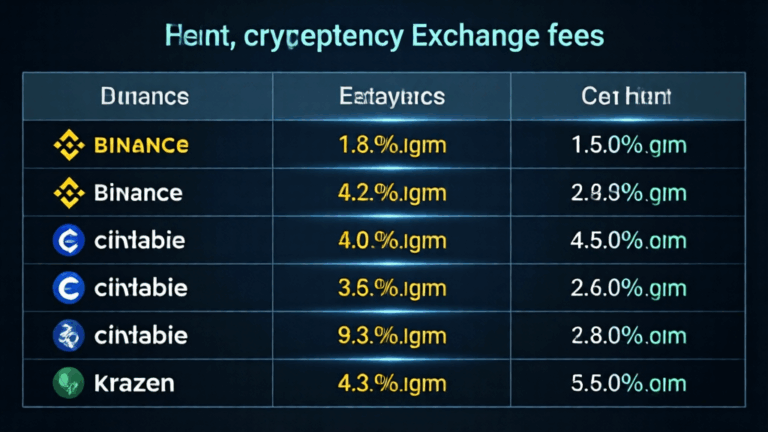
Several exchanges facilitate crypto futures trading. Among them, Binance, BitMEX, and Kraken are renowned for offering diverse trading pairs and high liquidity. It’s crucial for traders to select reputable platforms with solid security measures. Recent data shows that trusted exchanges experienced a lower rate of hacks compared to unregulated ones.
Strategies for Successful Futures Trading
Effective strategies are critical in navigating the crypto futures landscape. Here are a few proven approaches:
1. Swing Trading
This strategy focuses on capitalizing on anticipated market shifts, typically over a few days. Utilizing technical analysis tools allows traders to identify entry and exit points effectively.
2. Arbitrage
Exploit price differences between exchanges to ensure profit. Although this requires quick execution, professionals suggest pairing traditional and crypto markets to enhance gains.
3. Trend Following
Identifying and following market trends using indicators can lead to significant profits. Advanced traders often combine this with leverage to maximize their advantages.
Understanding Risks in Crypto Futures Trading
While the rewards can be substantial, the risks are equally significant. Let’s analyze some critical risk factors:
- Market Volatility: The crypto market is notorious for its ups and downs, and futures trading magnifies these movements.
- Leverage Risks: High leverage can result in significant losses if the market moves against your position, even if it seems favorable initially.
- Liquidity Risks: In low-volume markets, executing large trades can be challenging, leading to slippage.
Market Trends and Data Analysis
As of early 2024, the United States has seen a growth rate of crypto futures trading among retail investors increase by 65%. This trend points to a significant shift in how investors engage with the crypto market, indicating that a broader audience is becoming comfortable with cryptocurrencies.
Comparative Table: Traditional vs. Crypto Futures
| Feature | Traditional Futures | Crypto Futures |
|---|---|---|
| Leverage | Up to 10x | Up to 100x |
| Expiration | Set expiry date | No expiration (perpetual) |
| Market Hours | Market hours-based | 24/7 trading |
Conclusion
Crypto futures trading has emerged as a powerful avenue for both short-term traders and long-term investors. By understanding the mechanics behind these contracts, developing effective strategies, and being aware of the associated risks, traders can position themselves advantageously in this volatile market. As user engagement with crypto trading grows, platforms such as btcmajor are crucial for facilitating safe and effective trading. It is essential to stay informed about market trends and emerging technologies to enhance your trading acumen in the ever-evolving crypto landscape.
As the crypto market continues to evolve, staying updated with these trends and strategies becomes paramount. Remember, this information is not financial advice. Always consult with local regulations and financial advisors before making investment decisions.
Created by Dr. Adrian Hunt, a blockchain researcher with over a decade of experience, 20 published papers on digital asset economics, and lead auditor for numerous prominent crypto projects.