
Introduction: The Challenge of Scalability in Blockchain
With an estimated $4.1 billion lost to hacks in decentralized finance (DeFi) in 2024, understanding blockchain scalability solutions is more critical than ever for crypto enthusiasts and developers alike. As the demand for transactions on blockchain networks surges, addressing scalability becomes a priority. This article explores the intricacies of blockchain scalability solutions, their implications, and how they can enhance your digital asset strategies.
What is Blockchain Scalability?
Blockchain scalability refers to the ability of a blockchain network to handle an increasing number of transactions per second. For instance, while Bitcoin currently handles around 7 transactions per second, networks like Visa can process over 24,000 transactions per second! This discrepancy has prompted researchers and developers to innovate ways to improve blockchain performance.
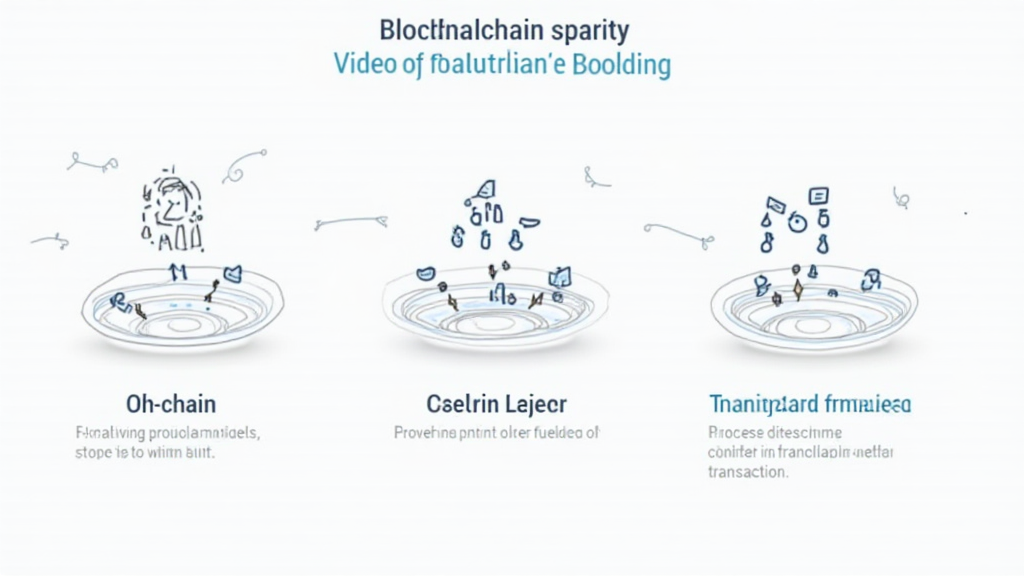
Types of Scalability Solutions
- On-Chain Solutions: These involve upgrading the current blockchain infrastructure to handle more data. Examples include increasing block size or reducing the block time.
- Off-Chain Solutions: These solutions move transactions off the main blockchain and settle them later. Examples are sidechains and state channels.
- Layer 2 Solutions: A hybrid approach creating a platform on top of the existing blockchain to handle transactions more efficiently.
On-Chain Scalability Solutions
On-chain solutions have the potential to significantly improve transaction speeds. However, they often come with trade-offs in security and decentralization.
Increasing Block Size
By increasing block size, a blockchain can fit more transactions into each block. For example, Bitcoin Cash, a hard fork from Bitcoin, raised the block size limit from 1MB to 32MB.
Here’s the catch: While this allows for more transactions, it can lead to larger node requirements, potentially reducing decentralization.
Reducing Block Time
Another on-chain solution is reducing block time, leading to faster confirmations. Ethereum, for example, aims to achieve this while transitioning to Ethereum 2.0.
Off-Chain Scalability Solutions
Off-chain solutions like state channels allow users to conduct multiple transactions off the main blockchain, only settling the final state on-chain.
State Channels
State channels enable two parties to transact off-chain without waiting for on-chain confirmations. This dramatically reduces congestion on the network.
Sidechains
Sidechains operate in parallel to the main blockchain, allowing for transactions to be processed separately while still maintaining a secure connection to the main chain.
Layer 2 Solutions
Layer 2 solutions, such as the Lightning Network for Bitcoin, are designed to facilitate quicker transactions without significantly altering the original blockchain.
Benefits of Layer 2 Solutions
- Speed: Transaction completion is near-instantaneous.
- Cost: Reduces fees associated with on-chain transactions.
- Scalability: Can accommodate an increasing number of transactions.
Real-World Applications and Success Stories
Countries like Vietnam have seen significant growth in the crypto market, with reported user growth rates reaching 300% annually. This growth necessitates an urgent need for effective scalability solutions, especially as more users enter the market.
Case Study: How El Salvador Used Bitcoin
In 2021, El Salvador became the first country to adopt Bitcoin as legal tender. Due to its on-chain limitations, the country implemented the Lightning Network to facilitate quicker transactions, demonstrating a practical application of scalability solutions.
Analysis of Scalability in Vietnam
Vietnam’s blockchain user base has been rapidly increasing. As of 2024, it had approximately 5 million active crypto users. With these numbers, implementing scalable solutions will be crucial for sustaining this growth.
Future of Blockchain Scalability Solutions
Looking ahead, various projects are making strides in improving blockchain scalability. Sharding, for instance, is a method that partitions a network to spread the load across multiple nodes, leading to increased throughput.
The Role of Developers and Innovators
Developers must create innovative solutions that balance scalability with security. Projects like Ethereum 2.0 are examples of this ongoing effort.
Conclusion: Embracing the Future
As blockchain technology continues to evolve, scalability solutions will play a vital role in ensuring its viability. Understanding and adopting these solutions will empower users and developers alike. Ultimately, with advancements like Layer 2 and off-chain scaling, we can normalize high transaction volumes while maintaining the essence of what makes blockchain secure and decentralized. A solid grasp of blockchain scalability solutions is essential for anyone looking to navigate the crypto landscape effectively.
Don’t forget to explore more about BTCmajor and its resources!
Author: Dr. Alex Nguyen, a blockchain technology expert with over 15 published papers and leading audits on renowned blockchain projects.