

Introduction
As we navigate through the dynamic world of cryptocurrency, one emerging trend captures enormous interest: DeFi Mining. With projections pointing towards remarkable changes in this segment by 2026, it is essential to comprehend what this means for investors, miners, and the overall crypto ecosystem. The global decentralized finance market is expected to grow from $11 billion in 2020 to over $1 trillion by 2026 (source: Statista). This staggering growth indicates a wealth of opportunities and challenges, necessitating an in-depth understanding of DeFi Mining for anyone invested in cryptocurrency.
What is DeFi Mining?
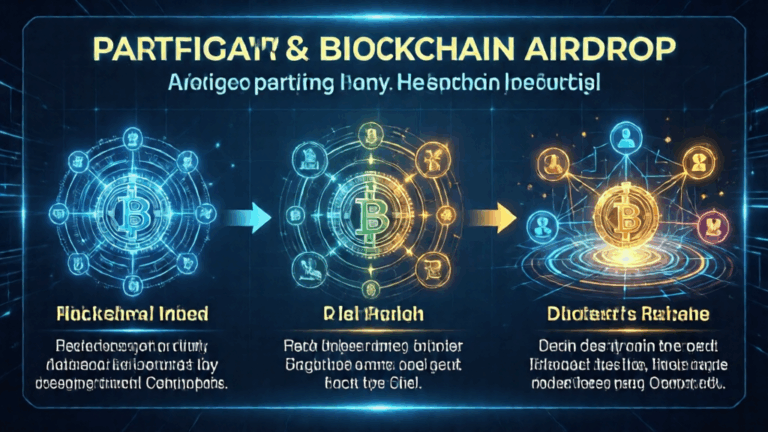
DeFi Mining represents a new method in which users can contribute to the decentralized finance ecosystem, earning rewards in the process. Unlike traditional mining found in Proof-of-Work systems, DeFi Mining involves using assets to help secure networks or provide liquidity. One popular form is liquidity mining, where users lend their assets in a decentralized exchange.
Why is DeFi Mining Important?
- Integrates finance and technology, promoting greater accessibility.
- Allows users to retain control over their assets.
- Encourages community participation within the crypto ecosystem.
Current Trends in DeFi Mining
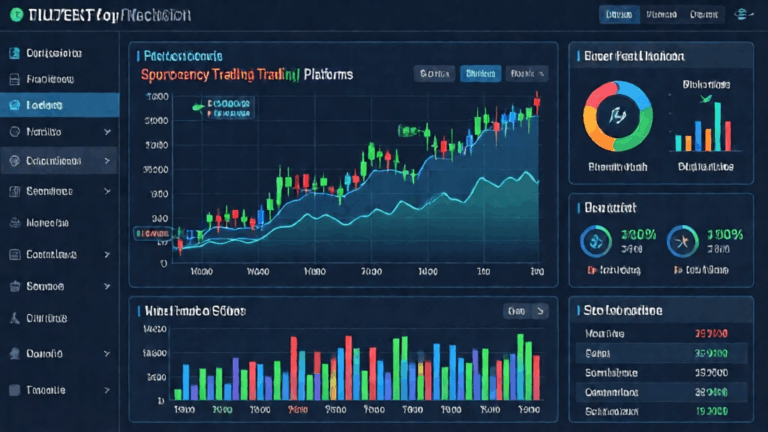
Today, we see an array of protocols entering the DeFi landscape. Projects like Uniswap and Aave have gained immense popularity, enhancing liquidity across trading platforms. Notably, liquidity mining rewards can vary based on governance token distribution, leading to additional complexity in strategy formulation.
Real-World Example: Uniswap
Let’s consider Uniswap, which has revolutionized decentralized exchanges. Users can provide liquidity in various pairs and earn token rewards. In 2023, it gained over $1 billion in transaction fees, reflecting the potential earnings in this domain.
Looking Ahead: Predictions for DeFi Mining in 2026
Forecasting into 2026, experts indicate several pivotal transformations in DeFi Mining:
- Increased Adoption: As more Ethereum alternatives (e.g., Binance Smart Chain) emerge, user adoption is expected to soar.
- Enhanced Security: With the increase in funds flowing into DeFi, improved security protocols will arise to mitigate risks.
- Regulatory Clarity: Governments are beginning to scrutinize DeFi protocols, and anticipated regulations may keep the ecosystem stable.
Market Data: The Future in Numbers
| Year | Market Size ($ Billion) | Growth Rate (%) |
|---|---|---|
| 2020 | 11 | – |
| 2023 | 100 | +2000% |
| 2026 | 1000 | +900% |
Challenges Facing DeFi Mining
Despite its successes, DeFi Mining is not without its challenges:
- High Volatility: Prices for cryptocurrencies can fluctuate widely.
- Impermanent Loss: Providing liquidity can occasionally lead to losses compared to holding the original assets.
- Smart Contract Risks: Malicious attacks on protocols can lead to significant losses.
Tools to Minimize Risks
To counterbalance these challenges, users can employ various tools and strategies. For example, utilizing hardware wallets like Ledger Nano X can reduce hacks by approximately 70%.
Conclusion
As we prepare to enter 2026, DeFi Mining is expected to play an increasingly significant role in the financial landscape. With growth projections escalating and innovative solutions emerging, understanding this domain will be crucial for both new and seasoned investors. Remember, the opportunity is immense, but so too are the risks involved.
As the landscape evolves, staying informed and using reliable tools will be key to success. Consider diving deeper into the world of DeFi Mining today as we approach 2026!
Explore more about the exciting world of cryptocurrency on btcmajor today!
About the Author
Dr. Nguyen D. Lam, a renowned expert in blockchain technology, has published over 15 research papers in the field and led several high-profile project audits globally.