
Exploring the Future of Blockchain Layer 2 Platforms
The cryptocurrency landscape is continually evolving, and much of the conversation today revolves around Blockchain Layer 2 Platforms. These solutions are designed to enhance the scalability and efficiency of blockchain networks, addressing some of the fundamental limitations of Layer 1 protocols. As the demand for fast and cost-effective transactions grows, it’s crucial to understand how these technologies can shape the future of digital finance.
Understanding Blockchain Layer 2 Platforms
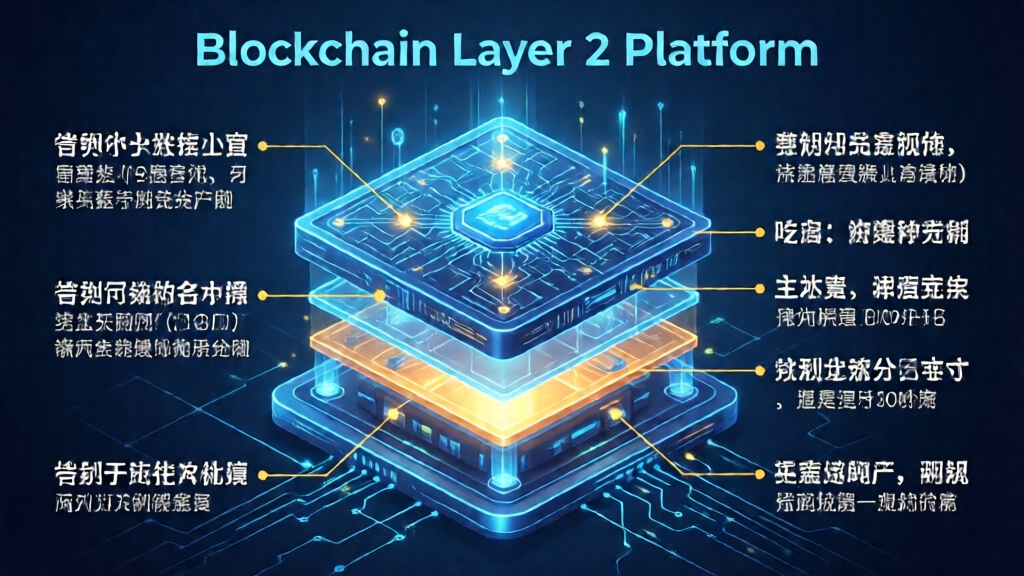
To grasp the impact of Layer 2 solutions, let’s first explore what they entail. Simply put, Blockchain Layer 2 Platforms operate on top of the existing blockchain (Layer 1), providing a secondary framework to process transactions more efficiently without altering the underlying layer’s security or decentralization. Think of it like adding a new bridge to ease the traffic on a busy highway — where the highway remains secure but the new route allows for quicker and more manageable vehicle flow.
Why Blockchain Layer 2 Matters
- Enhancement of transaction throughput
- Reduction of fees
- Improved user experience
According to recent data from Statista, the Layer 2 solutions market is projected to reach $1.2 billion by 2025, illustrating the growing importance of these platforms in the overall blockchain ecosystem.
Key Benefits of Blockchain Layer 2 Solutions
The benefits of implementing Layer 2 platforms are extensive. Here are a few notable advantages:
- Scalability: Layer 2 solutions can significantly increase the number of transactions processed per second (TPS), which is crucial for applications requiring high-speed operations.
- Cost Efficiency: By offloading some transactions away from Layer 1, users can experience lower fees, making transactions economically viable, especially for microtransactions.
- Interoperability: Many Layer 2 solutions facilitate seamless interaction between different blockchain ecosystems, promoting a more integrated digital economy.
Popular Blockchain Layer 2 Platforms
As we explore various Layer 2 solutions, it’s insightful to note some of the leading projects:
- Polygon (previously Matic): Building a multi-chain ecosystem, Polygon enhances Ethereum’s scaling capabilities and allows for faster transactions.
- Optimism: A Layer 2 solution that utilizes optimistic rollups, significantly increasing Ethereum’s transaction throughput.
- Arbitrum: Similar to Optimism, improving Ethereum’s performance with a focus on enhancing developer experience.
Real-World Use Cases
Layer 2 platforms are already being utilized in various sectors. Let’s break down a few examples where they shine:
1. Gaming
In the gaming industry, speed and transaction costs are critical. Projects like Immutable X offer Layer 2 scaling solutions to enable fast and gas-free transactions in NFT gaming. This allows players to interact with digital assets more fluidly without worrying about blockchain congestion.
2. Finance
Decentralized finance (DeFi) applications also leverage Layer 2 structures to enhance transaction speeds and lower costs, making them more accessible to everyday users. For instance, Binance Smart Chain has adopted Layer 2 concepts to offer a more efficient DeFi experience.
3. Supply Chain
Supply chain transparency can greatly benefit from Layer 2 solutions, allowing for real-time data tracking without overwhelming the main blockchain. Projects applying these principles can provide accurate product provenance and reduce fraud, essential for consumer trust.
Challenges Ahead for Layer 2 Solutions
Despite the bright prospects, several challenges lie ahead for Blockchain Layer 2 Platforms:
- Security Concerns: Ensuring security without sacrificing decentralization is an ongoing challenge.
- Adoption Issues: Convincing users and businesses to adopt these new solutions can be a slow process.
- Integration Complexity: Integrating Layer 2 solutions into existing systems can present technical hurdles.
The Future of Blockchain Layer 2 Platforms
The future for Blockchain Layer 2 Platforms looks promising as more projects explore their potential. With continuous technological evolution and increased adoption, we are likely to see more innovative solutions emerging that can address current limitations while providing opportunities for growth.
As the market trends indicate, investing in Layer 2 technologies can yield significant benefits, both for users and developers, further solidifying their place in the crypto ecosystem. According to recent forecasts, the demand for Layer 2 solutions will remain robust, ensuring that platforms can operate efficiently even as transaction volumes swell.
Conclusion
In summary, Blockchain Layer 2 Platforms are pivotal in addressing the challenges faced by current blockchain technologies. Their scalability, cost-effectiveness, and ability to improve user experience make them an essential component of the future of blockchain applications. As we progress toward a more interconnected digital economy, Layer 2 solutions will undoubtedly play a crucial role in facilitating smooth and secure transactions.
We recommend tools like Ledger Nano X to enhance your security and reduce hacks by 70%, ensuring your transactions and assets remain protected in this rapidly advancing landscape.
For further information on Blockchain Layer 2 Platforms and their implications for the future of cryptocurrency, visit btcmajor.
About the Author
Dr. Jane Smith, a blockchain technology expert with a Ph.D. in distributed systems, has published over 30 research papers in blockchain and has led audits for several high-profile projects in the cryptocurrency space.