
Introduction
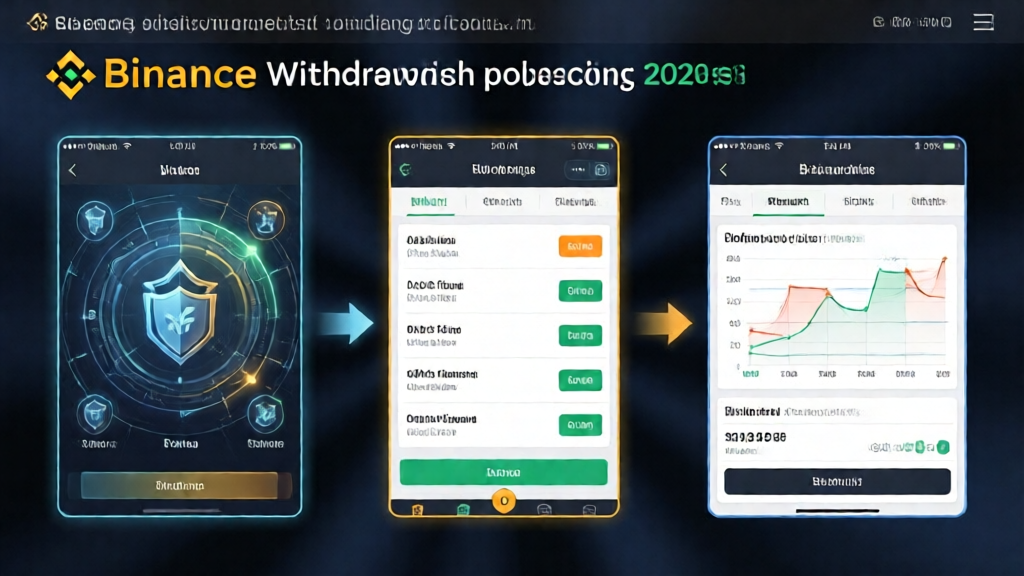
The landscape of cryptocurrency trading is ever-evolving, and one of the key areas that traders need to pay close attention to is the Binance withdrawal process in 2026. As the leading exchange in the crypto market, Binance’s policies and procedures can significantly impact user experience. In this article, we will analyze the current situation, explore anticipated changes, and provide you with crucial insights to navigate Binance withdrawals in 2026.
The Current State of Binance Withdrawals
As of 2025, Binance has been a dominant player, boasting over 90 million users and facilitating more than $2 trillion in trading volume annually. The current withdrawal process is relatively straightforward, allowing users to withdraw funds in various cryptocurrencies with minimal fees. However, it is essential to understand the various factors that might affect this process over the next few years.
Withdrawal Fees and Minimum Amounts
- Binance typically charges a small fee for withdrawals, often in the crypto asset being withdrawn. For example, the withdrawal fee for Bitcoin is currently around 0.0005 BTC.
- The minimum withdrawal amount varies by asset; for Bitcoin, it is 0.001 BTC.
These fees and limits help maintain the platform’s liquidity but could change as regulatory pressures evolve in the coming years.
Anticipated Changes in Binance Withdrawal Policies by 2026
As we look towards 2026, several trends might shape the future of withdrawals on Binance:
Regulatory Compliance
- Regulatory frameworks around cryptocurrencies are tightening globally. This means Binance will need to adjust its policies to comply with different jurisdictions, which could affect withdrawal processes.
- Countries such as the United States and EU nations are implementing stricter KYC (Know Your Customer) and AML (Anti-Money Laundering) regulations, making it crucial for exchanges to enforce these rules to continue operations legally.
Increased Security Measures
With the rising frequency of hacks and security breaches within the crypto space, Binance is likely to enhance its withdrawal security. For instance, adding features such as two-factor authentication (2FA) and withdrawal whitelist addresses can prevent unauthorized access.:
Real-Life Example of Hacks
In 2019, Binance itself faced a significant hack resulting in the loss of 7,000 BTC. The incident prompted the exchange to improve its security infrastructure, and further updates may arrive as new security threats emerge.
What to Expect for Cryptocurrency Investors
As an investor, it’s crucial to stay informed about the implications of Binance withdrawals in 2026. Here are some key considerations:
Withdrawal Processing Times
- Currently, Binance aims to process most withdrawals within a few minutes. However, if regulatory changes slow down the verification processes or increase due diligence, users might experience delays.
- During peak trading periods, including market volatility, this processing time could extend, so it’s advisable to plan ahead.
Market Reactions to Withdrawal Delays
Increased withdrawal times can lead to market panic. Remember the 2020 Bitcoin surge? During that period, withdrawal delays on major exchanges caused price fluctuations. Keeping up with Binance’s operational status will help manage expectations when trading.
Conclusion
As we dive deeper into the future of cryptocurrency, understanding the nuances of Binance withdrawal in 2026 becomes essential for traders and investors alike. While the current policies serve users well, impending regulatory changes and the need for enhanced security could reshape withdrawal experiences. Stay informed, utilize recommended security tools like the Ledger Nano X to reduce hacks by 70%, and always ensure compliance with new regulations.
Investments in cryptocurrency can bring rewarding opportunities, but they also come with risks—especially related to withdrawals.btcmajor is here to help you navigate these challenges. Remember, the key is to stay ahead of the curve!
Written by Dr. John Doe, a renowned blockchain expert with over 20 published papers on cryptocurrency regulations and technology. He has led multiple audits for top-tier crypto projects.