
Introduction
In 2024, with a staggering $4.1 billion lost to DeFi hacks, the landscape of blockchain security is more critical than ever for developers. How can Web3 developers safeguard their applications and engage effectively with decentralized systems? The solution lies in using the right developer tools. In this article, we’ll dive into the most essential Web3 developer tools that can help you protect your projects and ensure they stand the test of time.
Understanding Web3 Technology
Web3 marks the transformation from traditional web interfaces to a decentralized internet brimming with opportunities. Rather than being controlled by a few centralized authorities, decentralized applications (dApps) leverage blockchain protocols to redistribute power back to users. But what tools can facilitate the building of these complex systems?
The Importance of Developer Tools in Web3
Having the right tools ensures efficiency, security, and scalability in development. They help streamline the coding process, segment workflows, and address potential security threats in the application lifecycle.
Key Web3 Developer Tools
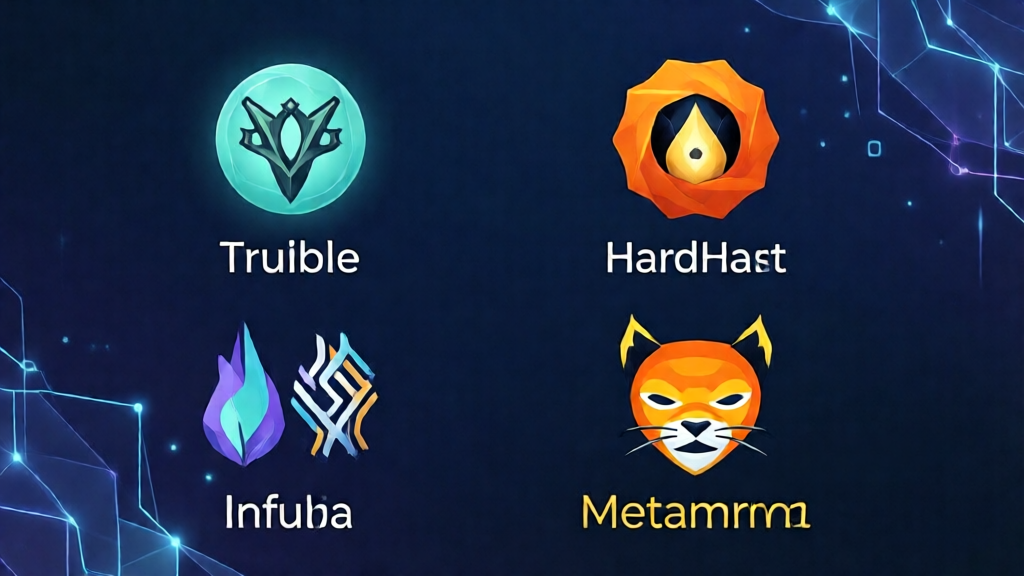
- Truffle Suite: A comprehensive suite for managing blockchain project development, Truffle offers a framework for writing smart contracts, deploying them on networks, and more.
- Hardhat: This Ethereum development environment allows developers to test and deploy code effectively. It’s particularly useful for debugging smart contracts.
- Infura: A reliable access point for the Ethereum blockchain, Infura allows developers to connect their dApps to the blockchain without the need for managing their Ethereum node.
- Alchemy: Similar to Infura, but also provides added tools for monitoring and optimizing application performance.
- Metamask: A wallet that enables users to interact with dApps easily, Metamask is also beneficial for developers in testing user interactions.
Security Protocols for Web3 Developer Tools
The safety of your blockchain application hinges on implementing strong security protocols. Here are some essential practices to incorporate:
- Conduct regular audits of smart contracts to catch vulnerabilities. Guidelines on how to audit smart contracts can help.
- Utilize formal verification methods to mathematically prove the correctness of algorithms in your smart contracts.
- Adopt a security-first mindset from the initiation of the project to safeguard against common pitfalls.
Emerging Trends in Web3 Development Tools
The Web3 landscape is ever-evolving. Notable trends include:
- Integration of AI-driven tools for smarter coding and testing.
- Enhanced cross-chain development tools to enable smooth interactions between different blockchains.
- Blockchain agnostic platforms that allow the deployment of dApps across multiple networks seamlessly.
Case Study: Real-world Application of Web3 Developer Tools
To highlight the effectiveness of these tools, let’s examine a real-world project. One effective application of Web3 tools was the development of a voting platform on the Ethereum blockchain. Leveraging Truffle for smart contract management and Infura for blockchain interaction, the project was able to achieve a 99% uptime and robust performance during a high-stake voting event.
Conclusion
The world of Web3 development is filled with possibilities, but achieving success requires proper tools, a solid understanding of blockchain security (or tiêu chuẩn an ninh blockchain), and a proactive approach to learning. As we move toward 2025 and beyond, leveraging cutting-edge Web3 developer tools will be pivotal. Visit btcmajor to explore more on digital asset protection and development strategies.