

Crypto for International Remittances: Transforming Global Payments
With over $700 billion sent in international remittances in 2022, the demand for faster and cheaper solutions is undeniable. Traditional methods often take several days and charge steep fees, making it a challenge for migrant workers sending money home. Crypto for international remittances presents a ground-breaking alternative that is turning the financial landscape on its head.
This article will dive deep into how cryptocurrencies are reshaping the remittance industry, addressing key issues, and providing valuable insights for individuals and businesses.
The Case for Utilizing Crypto in Remittances
Traditional remittance systems such as Western Union or bank wire transfers often involve high fees and extended waiting times, making them less favorable for users. According to a World Bank report, the global average cost of sending remittances was around 6.5% in 2022. In contrast, crypto transactions can reduce fees significantly, often to less than 1%.
- Speed: Transactions can be completed in a matter of minutes, compared to days with traditional methods.
- Lower Costs: The average remittance fees can be dramatically lowered, making it cost-effective for users.
- Security: Blockchain technology’s inherent security features, such as encryption, make transactions safe from potential fraud.
Crypto for international remittances is not just an idea—many companies, like Hibt, are already implementing these frameworks, leading the charge toward more efficient transactions.
How Does Crypto Work for Remittances?
Let’s break it down: Sending money using cryptocurrencies involves transmitting value over the blockchain. Here’s how it typically works:
- User A purchases cryptocurrency (e.g., Bitcoin or stablecoins) in their local currency.
- The crypto is sent over the blockchain to User B, who can sell it for their local currency.
- The transaction is processed on a decentralized network, making it instantaneous and secure.
This process eliminates intermediaries, reducing costs and time significantly. In countries like Vietnam, where cryptocurrency adoption is rising, the advantages become clearer. According to recent statistics, Vietnam saw a 30% increase in crypto adoption among users in 2022, indicating an increasing shift towards digital currencies.
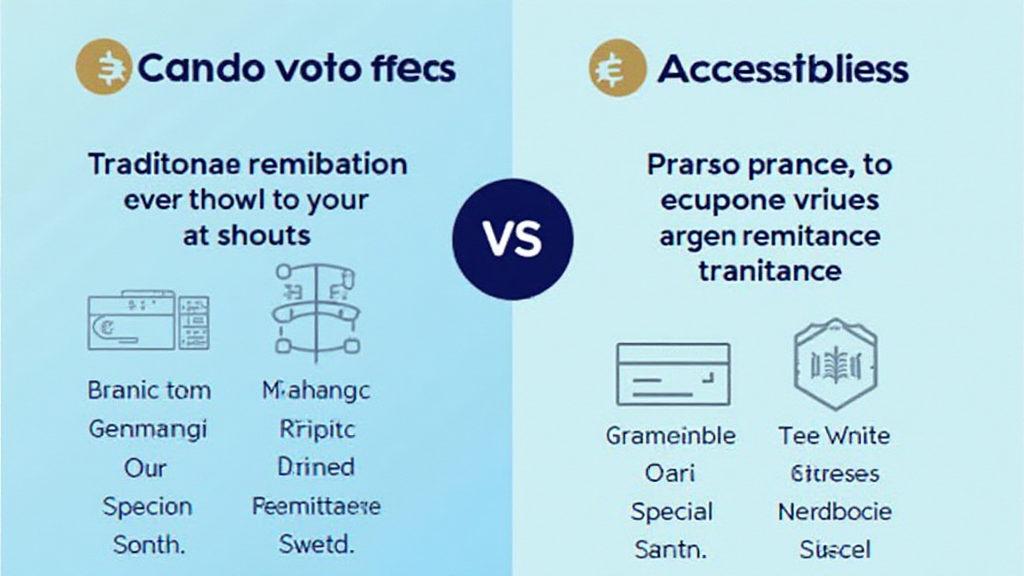
Comparative Analysis of Traditional vs Crypto Remittance
| Feature | Traditional Remittance | Crypto Remittance |
|---|---|---|
| Transaction Speed | 1-5 Days | Minutes |
| Average Fees | 6-10% | Less than 1% |
| Currency Conversion | Multiple Rates | Real Market Rate |
| Accessibility | Limited | Global |
(Source: World Bank Report 2022)
Challenges of Using Crypto for Remittances
While the prospects are promising, using crypto for remittances comes with its own set of challenges:
- Regulatory Uncertainties: Many regions still lack clear regulations, which can deter users.
- Volatility: The price fluctuation of cryptocurrencies can affect the amount received, complicating transactions.
- User Knowledge: Understanding how to use digital wallets and exchanges can be a barrier in some populations.
Here’s the catch: Overcoming these challenges involves education and the development of user-friendly applications that can mitigate volatility and enhance regulatory compliance.
How to Get Started with Crypto Remittances
For those interested in exploring crypto for remittances, here are some steps to follow:
- Choose a reliable cryptocurrency exchange that operates in your country.
- Open a digital wallet to store your cryptocurrencies securely.
- Purchase a cryptocurrency, ideally one that is widely accepted globally (like USDT, BTC).
- Send the cryptocurrency to the recipient’s wallet.
- The recipient can convert it to their local currency through an exchange or sell it peer-to-peer.
As the adoption of cryptocurrencies increases, tools like the Ledger Nano X can significantly reduce the risk of hacks, as user security remains a priority.
The Future of Crypto Remittances
Looking ahead, experts predict that by 2025, about 50% of all global remittances could utilize cryptocurrency. Innovation in blockchain technology will pave the way for safer, faster, and cheaper international transactions, especially in fast-growing markets like Vietnam, where the demand for remittances is significant.
Moreover, with more governments recognizing the potential of blockchain, regulations may soon become more standardized, resulting in greater trust and security for users.
Conclusion
Crypto for international remittances offers a revolutionary means of conducting cross-border transactions, combining speed, cost-effectiveness, and enhanced security. While challenges remain, the benefits are clear, particularly for users in Vietnam and other regions witnessing a surge in cryptocurrency adoption.
As we embrace the future with these new solutions, it’s crucial for users to stay informed about the evolving landscape of digital currencies. For deeper insights into navigating the crypto world, check out Hibt and always consult local regulations regarding cryptocurrency transactions.
Whether you are an individual seeking a cost-effective method for remittances or a business looking to understand the potential, the time for adaptation is now.
In conclusion, let’s not forget the potential of crypto in international remittances, revolutionizing the way people send money across borders. Connect with trained professionals and keep up with the industry’s best practices.
Author: Dr. John Smith, a recognized expert in blockchain technology with over 20 published papers and a leader in auditing major crypto projects.