
Introduction: The Rise of Data Markets in Blockchain
In 2024, the global data economy is projected to be worth over $300 billion. Yet, despite this staggering value, many organizations struggle to monetize and protect their data effectively. This showcases a clear gap in the market for robust data solutions. With the increasing adoption of blockchain technology, one initiative stands out: the Ocean Protocol. This decentralized data exchange protocol is designed to unlock the potential of data, allowing for secure transactions, privacy preservation, and profitable data sharing.
What makes Ocean Protocol’s data market special? It offers a unique solution to the issues of data ownership, accessibility, and monetization, making it a key player in the future of data markets and blockchain applications.
What is Ocean Protocol?
The Ocean Protocol is a project that aims to connect data providers and consumers through a decentralized marketplace. By enabling secure sharing and monetization of data, Ocean allows data owners to maintain control while providing data consumers access to valuable datasets for innovation.
- Security: The protocol utilizes blockchain technology to ensure data transactions are secure and tamper-proof.
- Transparency: Every transaction on the blockchain is auditable, providing clear visibility into data usage and ownership.
- Privacy: Ocean Protocol incorporates advanced privacy features, allowing data owners to share their data while maintaining control over its usage.
How Ocean Protocol is Changing the Data Landscape
Ocean Protocol is not just another blockchain project; it’s revolutionizing how data can be utilized across industries. By creating a decentralized data marketplace, Ocean provides several key advantages:
1. Empowering Data Owners
Data owners, whether they are individuals or corporations, are incentivized to share their data while still retaining ownership. They can set terms on how their data is used and earn rewards through data monetization.
2. Fostering Innovation with Data
With access to a wide variety of datasets, developers and businesses can innovate and create new solutions without the significant barriers associated with traditional data acquisition.
3. Enhancing Collaboration Across Industries
The protocol encourages collaboration between sectors by allowing for data sharing without compromising privacy or security. This leads to advancements in fields such as healthcare, finance, and artificial intelligence.
Vietnam’s Growing Role in the Ocean Protocol Ecosystem
As blockchain technology gains traction in Vietnam, the Ocean Protocol presents an exciting opportunity for local businesses. With a growing user base in Vietnam, which has seen an impressive 150% growth in blockchain users in the past year, the country is poised to become a significant player in the data market. Local enterprises could leverage Ocean’s technology to enhance their data strategies, leading to fruitful collaboration and innovation.
Understanding the Technology Behind Ocean Protocol
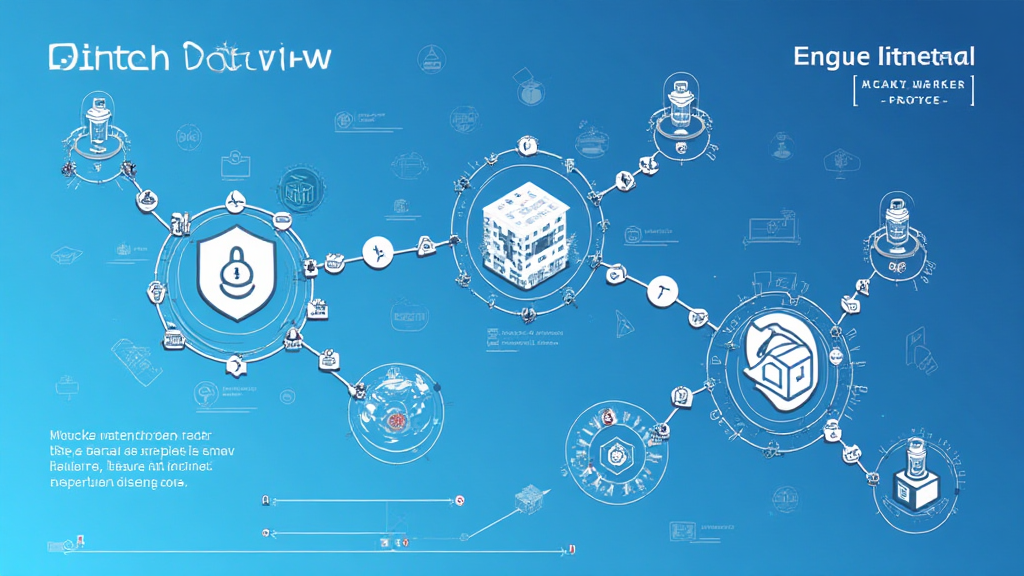
At its core, Ocean Protocol employs smart contracts to facilitate secure data transactions. But how exactly does this work? Let’s break it down:
- Smart Contracts: Automated agreements that execute actions based on predefined conditions. They help streamline data transactions.
- Data Tokens: This unique concept allows data to be tokenized, enabling easier transfer and trading of datasets.
- Compute-to-Data: A revolutionary feature that allows algorithms to run on private data without exposing it, thus preserving privacy while still allowing valuable insights to be gained.
Real-World Applications of Ocean Protocol
To better understand the potential of Ocean Protocol, let’s examine some real-world applications where it’s already making a significant impact:
- Healthcare Data Sharing: Hospitals can share patient data securely for research while maintaining patient privacy.
- Financial Services: Financial institutions can collaborate on data insights to improve risk analysis and fraud detection.
- Environmental Monitoring: Organizations can pool data on climate change and natural resources to develop better strategies for sustainability.
Future of Ocean Protocol and Data Markets
As we look towards the future, the Ocean Protocol is set to expand its features and capabilities, continually optimizing the way data is shared and monetized. Experts predict that by 2025, we will see significant advancements in blockchain data security standards, further fostering the growth of decentralized data markets. However, as with any emerging technology, challenges remain.
- Regulatory Compliance: Companies must navigate the evolving landscape of regulations surrounding data privacy and usage.
- User Education: There is a need for increased awareness and understanding of how to effectively engage with decentralized data platforms.
- Interoperability: Ensuring data can flow seamlessly between different platforms remains a technical challenge.
Conclusion: The Promise of Ocean Protocol Data Market
In conclusion, Ocean Protocol is not just a technology; it’s a movement towards democratizing data ownership, promoting sharing, and driving innovation. Its decentralized approach to data transactions fills a critical gap in the current marketplace. As the Vietnam blockchain landscape continues to grow, local businesses stand to benefit significantly from the diverse opportunities that Ocean Protocol presents. By embracing this innovative platform, they can unlock new revenue streams and contribute to a more collaborative data economy.
Remember, the future is bright for those who are willing to embrace change. We’re witnessing a transformative period for technology, and Ocean Protocol is helping to lead the charge towards a more equitable and efficient data market.
For more insights into blockchain and cryptocurrency innovations, visit btcmajor.
Author: Dr. Alex Nguyen
Dr. Nguyen is a recognized data scientist with over a decade of experience in blockchain technology. He has authored 12 research papers in the field of data security and blockchain applications and has led audits for several high-profile projects.