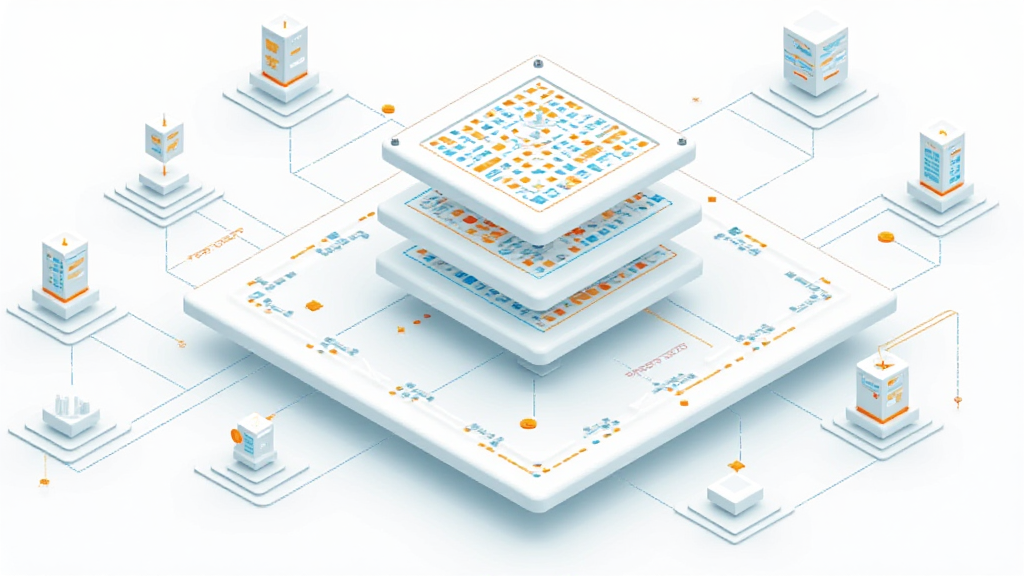

Exploring Modular Blockchain Architecture: The Future of Decentralized Systems
With $4.1B lost to DeFi hacks in 2024, the need for a more secure and efficient blockchain design has never been more pressing. This brings us to the concept of modular blockchain architecture, which is emerging as a promising solution in the ever-evolving world of cryptocurrencies. In this comprehensive article, we will explore the intricacies of modular blockchain architecture, its benefits, and its potential in the Vietnamese market.
What is Modular Blockchain Architecture?
To understand the significance of modular blockchain architecture, it’s essential to first grasp the traditional blockchain model. Conventional blockchains are monolithic, meaning that they handle all functions—consensus, data storage, and execution—within a single layer.
However, modular architecture breaks this structure into separate layers, each serving a distinct function:
- Execution Layer: Responsible for executing transactions and running smart contracts.
- Consensus Layer: Validates transactions and secures the network.
- Data Availability Layer: Ensures that data is retrievable and verifiable.
This separation of functions allows for greater specialization and efficiency. For instance, the execution layer could be tailored for high-speed transactions, while the consensus layer might prioritize security. This layered approach resembles building blocks, where each piece can be optimized independently, enhancing the overall system’s performance.
Benefits of Modular Blockchain Architecture
1. Enhanced Scalability
One of the defining advantages of modular blockchain architecture is its scalability. By separating functions, networks can better handle an increasing number of transactions. As demand grows, additional execution or data availability layers can be deployed without overhauling the entire blockchain.
2. Improved Security
Security is paramount in the cryptocurrency space. Modular design allows developers to implement specialized security measures tailored to each layer. For example, the consensus layer can apply advanced cryptographic techniques, while the execution layer might enforce strict verification protocols.
3. Flexibility and Innovation
Modular architecture fosters innovation. Developers can experiment with new consensus algorithms or data storage solutions without disrupting the entire blockchain. This flexibility is crucial for adapting to evolving market needs.
4. Cost Efficiency
Running a blockchain is expensive. Modular architecture can reduce costs by enabling resource-sharing among layers. This efficiency can significantly lower operational expenses, making blockchain technology accessible for smaller enterprises.
Real-world Applications of Modular Blockchain Architecture
As modular blockchain architecture continues to gain traction, various applications are emerging:
- Decentralized Finance (DeFi): Projects like Aave and Uniswap can benefit from modular design, enhancing their transaction speeds and security measures.
- Non-Fungible Tokens (NFTs): Platforms for minting and trading NFTs can utilize modular layers to separate the transaction record from the creative execution of the NFTs themselves.
- Supply Chain Management: By deploying a modular blockchain, companies can improve transparency and traceability across the supply chain.
Vietnam’s Growing Interest in Blockchain Technology
According to recent reports, the number of cryptocurrency users in Vietnam has surged, boasting an impressive growth rate of 30% annually. As the demand for digital assets rises, understanding modular blockchain architecture becomes critical for investors and developers in the region.
Vietnamese projects could harness modular architectures to enhance their offerings, potentially paving the way for the country to become a hub for blockchain innovation in Southeast Asia.
Local Market Adaptation
With terms like tiêu chuẩn an ninh blockchain becoming common among Vietnamese investors and developers, it’s essential to educate the market on the benefits of adopting modular blockchain systems. Integrating localized solutions could serve as a competitive edge, facilitating faster and more secure transactions.
Challenges and Considerations
While the benefits of modular blockchain architecture are evident, there are challenges to consider:
- Complexity: Implementing multiple layers can introduce complexity. Developers need thorough knowledge and skills to ensure seamless integration.
- Interoperability: Ensuring that different layers communicate effectively is critical. Standards must be established to facilitate this connectivity.
- Regulatory Hurdles: The evolving regulatory landscape may impact the adoption of modular architectures, requiring developers to stay informed.
Conclusion
Modular blockchain architecture promises a transformative shift in how cryptocurrencies and decentralized applications function. By separating functions into distinct layers, developers can create more scalable, secure, and adaptable blockchain solutions. In Vietnam, this approach presents a unique opportunity for local innovators to capitalize on the growing interest in cryptocurrencies.
As blockchain technology continues to evolve, embracing modular architecture could be the key to unlocking new levels of efficiency and effectiveness. Whether you are an investor, developer, or simply a crypto enthusiast, understanding and engaging with modular blockchain architectures can set you ahead in this rapidly changing landscape.
For more insights on cryptocurrency trends and strategies, visit btcmajor today.