
Introduction
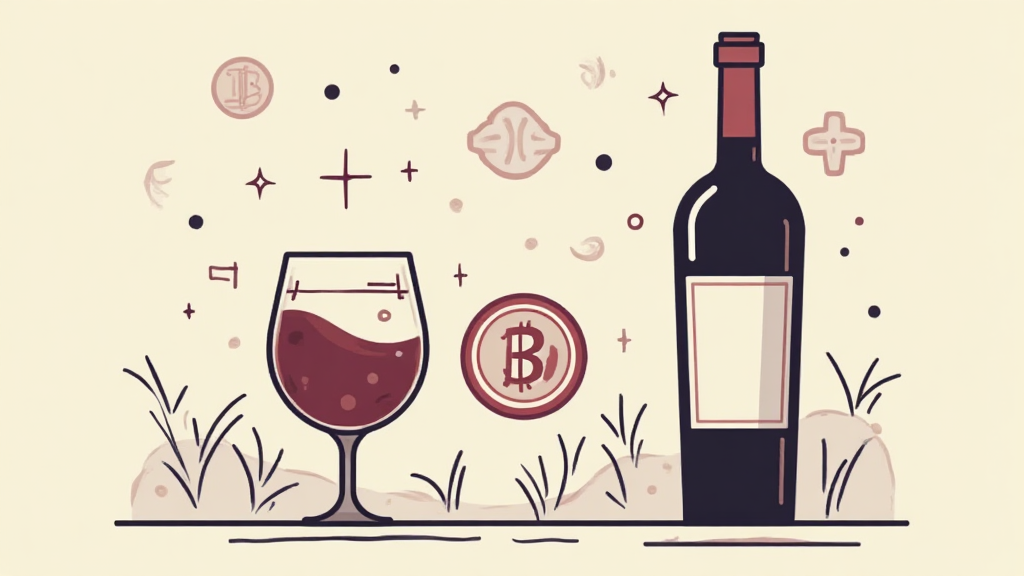
In an era where consumers are increasingly aware of authenticity, the wine industry faces significant challenges in verifying provenance. With over $4.1 billion lost due to counterfeit products annually, ensuring the integrity of wine bottles has never been more critical. Blockchain technology emerges as a solution that offers transparency and security, assuring customers that their wines are genuine. This article delves into the concept of Blockchain Wine Provenance, explaining its implications and benefits for producers and consumers alike.
Understanding Blockchain Technology
Blockchain technology operates on a decentralized ledger system that records transactions across multiple computers. This ensures that no single entity has control over the data, enhancing security and preventing tampering. Each block contains data, a timestamp, and a cryptographic link to the previous block, forming a chain of secured information. The inherent characteristics of blockchain make it an ideal fit for industries where authenticity is paramount, such as the wine sector.
The Need for Wine Provenance
- Counterfeit wines: For years, counterfeit wines have plagued the market, leading to significant financial losses for genuine producers and deceptive practices affecting consumers’ trust.
- Consumer accountability: Modern consumers are looking for transparency in production practices, ingredient sourcing, and overall product integrity.
- Legal regulations: As regulations tighten around product authenticity, wine sellers must find reliable methods to guarantee provenance.
How Blockchain Enhances Wine Provenance
Using blockchain for wine provenance provides numerous advantages:
- Immutable records: Once data is recorded on a blockchain, it cannot be altered. This feature ensures that every bottle’s journey, from vineyard to consumer, is securely logged.
- Transparency: Consumers can scan a QR code on a wine bottle to view its entire history stored on the blockchain. This instant access to information fosters trust.
- Improved traceability: In case of a wine-related issue, blockchain allows for rapid tracing back to the source, facilitating prompt action.
- Enhanced value: As consumers gain confidence in the authenticity of their purchases, wines verified through blockchain may command higher prices in the market.
Real-World Applications of Blockchain in Wine Provenance
Several innovative companies are paving the way for integrating blockchain in the wine industry:
- VINEX: This platform leverages blockchain to archive wine data, making quality verification more accessible to consumers and distributors.
- Wine Vault: With the help of blockchain, Wine Vault allows buyers to track their wines directly from vineyards to retail, ensuring authenticity every step of the way.
- Provenance: By combining IoT sensors with blockchain, Provenance tracks environmental conditions that each bottle has encountered, providing more data for quality verification.
Adoption in the Vietnamese Market
As blockchain technology gains momentum globally, Vietnam is witnessing a significant rise in blockchain adoption:
- With a growth rate of over 20% in crypto users in Vietnam, the potential for blockchain in various sectors, including wine provenance, is enormous.
- Vietnamese consumers are becoming more educated about product sourcing and are inclined to support authentic products, making the blockchain solution a viable option for local wine producers.
Challenges and Considerations
Despite its benefits, implementing blockchain for wine provenance comes with challenges:
- Costs: Initial setup and maintenance costs can be a barrier for small producers.
- Technology literacy: Producers and consumers may need training to understand and utilize blockchain effectively.
- Regulatory hurdles: Keeping up with ever-changing regulations may complicate implementation.
The Future of Blockchain in the Wine Industry
As blockchain technology becomes more refined, its application in the wine sector is likely to expand:
- Collaboration between wine producers and tech companies may lead to more comprehensive solutions for provenance verification.
- The concept of tiêu chuẩn an ninh blockchain (blockchain security standards) will likely evolve, affecting how data is shared and stored across platforms.
- Increased interest from investors in tech-integrated solutions may also stimulate innovation in how authenticity is verified in the wine industry.
Conclusion
Blockchain technology offers a promising solution for enhancing wine provenance, mitigating issues of counterfeiting, improving consumer trust, and potentially increasing values in the market. As the Vietnamese market continues to grow and adapt to technological advancements, it presents the perfect opportunity for the integration of blockchain into wine production practices. By adopting blockchain strategies, wine producers not only safeguard their products but also attract a consumer base eager for authenticity and quality. Embracing Blockchain Wine Provenance might just be the game-changer needed in today’s competitive wine market.
About the Author: Dr. Nguyễn Văn Trường is a renowned blockchain expert with over 15 published papers in the field and has led audits for multiple major projects in technology integration and product verification.