
Exploring Crypto Synthetic Assets: A Comprehensive Overview
With $4.1 billion lost to DeFi hacks in 2024, the landscape of digital finance continues to evolve rapidly, presenting both opportunities and challenges. As a participant in the ever-growing market of cryptocurrencies and blockchain technology, you may have encountered the term crypto synthetic assets. But what exactly are they, and how do they fit into the broader context of digital currencies?
This article aims to offer a detailed examination of crypto synthetic assets, their mechanics, the risks involved, and why they are garnering interest from investors and developers alike. We will explore the Vietnamese market dynamics, highlighting local statistics that emphasize the growing interest in crypto technologies.
What are Crypto Synthetic Assets?
Crypto synthetic assets are essentially digital representations of real-world assets or other financial instruments that exist on a blockchain. They are created using smart contracts, allowing users to gain exposure to the asset’s underlying value without actually owning it. Think of it as buying a stock option: you don’t own the stock itself, but you have the potential to benefit from its price movements.
- Examples: Synthetic assets can mimic cryptocurrencies, fiat currencies, commodities, and even stocks.
- Mechanics: Through various decentralized protocols, users can create and trade synthetic assets on blockchain platforms.
- Benefits: They provide liquidity, enable trade without geographical limitations, and lower the barriers for investors.
The Mechanism Behind Synthetic Assets
Here’s the catch: the mechanics behind synthetic assets can be quite complex. On a fundamental level, these assets are derived from a network of collateralized tokens supporting their value. When a user wants to create a synthetic asset, they are essentially locking up collateral—often in the form of cryptocurrencies—within a smart contract. This locked value serves as a guarantee for the synthetic asset.
Creating Synthetic Assets
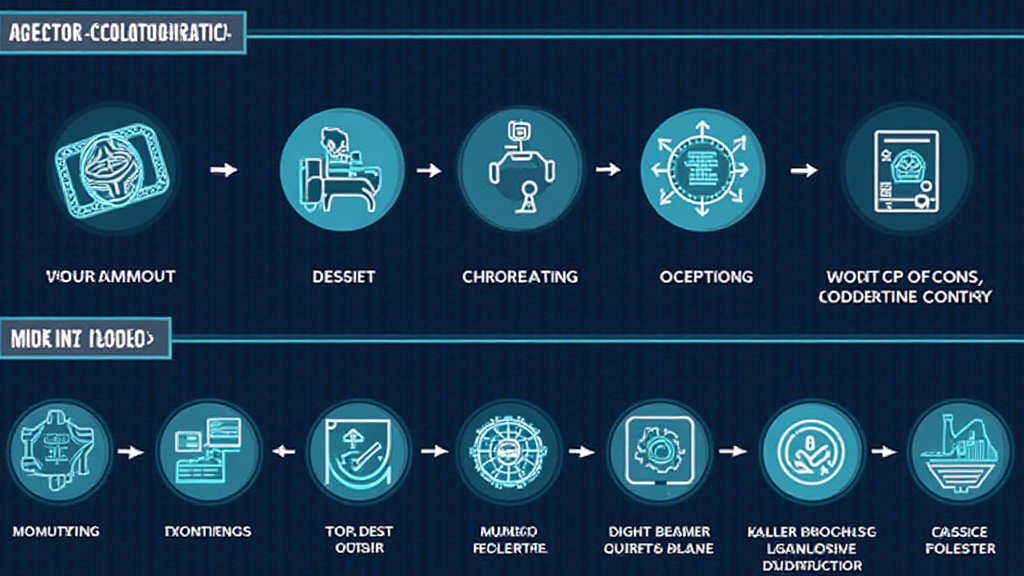
- Collateralization: Users deposit specific cryptocurrencies as collateral.
- Minting: A synthetic asset is minted, and its value is tied to the underlying asset’s market price.
- Trading: Users can buy, sell, or trade the synthetic asset on various decentralized exchanges.
This mechanism ensures that the synthetic asset’s value remains closely aligned with its real-world counterpart, although fluctuations can occur.
The Risks of Trading Synthetic Assets
While synthetic assets offer opportunities for exposure to various markets, they also come with their own set of risks. Here are the main risks unique to synthetic asset trading:
- Liquidation Risk: If the collateral falls below a certain threshold, the user risks losing their collateral as it gets liquidated.
- Smart Contract Vulnerabilities: Bugs or vulnerabilities in the smart contract can be exploited, leading to significant losses.
- Market Manipulation: The decentralized nature of synthetic assets can sometimes allow for market manipulation.
Understanding these risks is crucial for any trader in the synthetic asset market. It’s essential to perform due diligence and stay informed about the protocols being used.
The Market Dynamics in Vietnam
In Vietnam, the crypto market is experiencing rapid growth. As per recent data, Vietnam recorded a 150% increase in cryptocurrency users in 2023, making it one of the fastest-growing markets in Southeast Asia. The country’s young and tech-savvy population is driving this surge, and synthetic assets have emerged as an attractive option for early adopters looking to diversify their portfolios.
- Growing Interest: More Vietnamese are exploring the crypto market, with synthetic assets gaining attention.
- Regulatory Landscape: The Vietnamese government is beginning to explore regulatory frameworks, aiming to protect investors while promoting innovation.
As elite Vietnamese developers and investors participate in the global crypto landscape, the appeal of synthetic assets as an investment avenue cannot be overlooked.
How Synthetic Assets Compare with Traditional Investments
Let’s break it down: synthetic assets can offer unique advantages compared to traditional investment vehicles. Here’s how they measure up:
| Feature | Synthetic Assets | Traditional Assets |
|---|---|---|
| Liquidity | High | Variable |
| Accessibility | Global | Limited by market |
| Cost | Low transaction fees | Broker fees/high commissions |
This comparison highlights why synthetic assets are attracting more attention from both novice and experienced traders.
Future of Synthetic Assets
Looking ahead, synthetic assets are likely to play an increasingly pivotal role in the cryptosphere. Innovations in decentralized finance (DeFi) are expanding the potential use cases for synthetic assets, including lending, staking, and more complex trading strategies. According to Chainalysis, synthetic assets may represent a market worth over $10 billion by 2025, underlining their growing importance.
Investors should remain vigilant and educated as the landscape evolves. The future is promising, but it’s essential to navigate with caution and awareness.
Conclusion
In summary, crypto synthetic assets are shaping the future of digital finance, offering unique opportunities but also significant risks. They provide an accessible way for users to engage with various asset classes without traditional barriers. As the market in Vietnam continues to grow, early adopters of synthetic assets could find themselves ahead of the curve.
As always, exercise due diligence before engaging in synthetic asset trading, stay informed about market conditions, and consult with trusted financial advisors. After all, the landscape of crypto synthetic assets is vast and rapidly changing.
For more insights and updates on the crypto market, visit btcmajor.
– Dr. An Nguyen, a leading expert in blockchain technology with over 20 published papers and experience auditing projects in the DeFi space.