
Understanding Ethereum Token Models: A Comprehensive Guide
With the cryptocurrency ecosystem continuously evolving, Ethereum token models have become a focal point in understanding how various decentralized applications (dApps) operate. As of 2024, losses from questionable smart contracts and hacking attempts in DeFi have accumulated to over $4.1 billion. Thus, comprehending Ethereum token models is essential for developers, investors, and enthusiasts alike. In this guide, we will delve deep into Ethereum token models, their functionality, usage, and the implications they hold for the future of digital assets.
The Basics of Ethereum Token Models
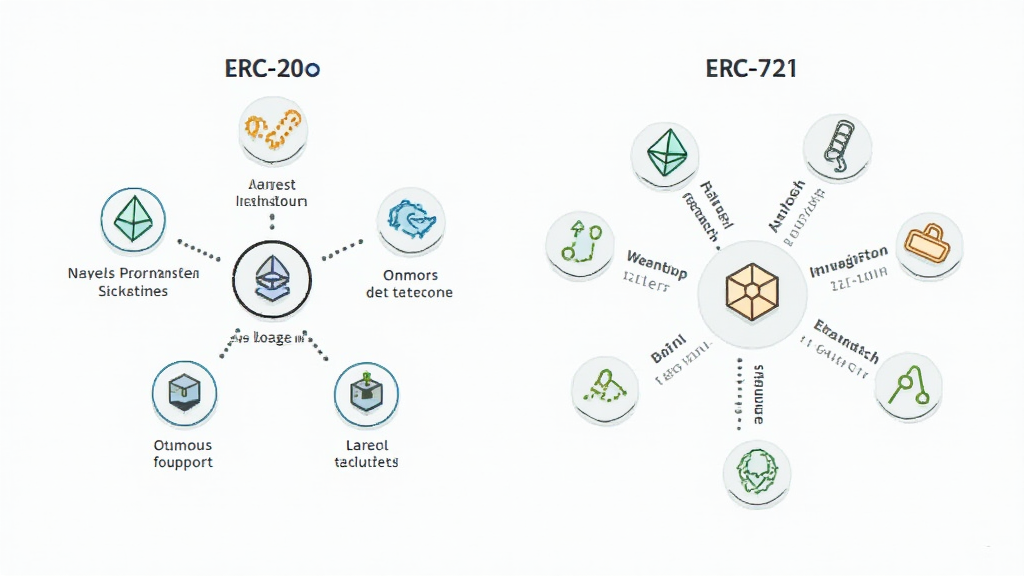
At the core of Ethereum’s infrastructure are its token models, which facilitate a wide variety of applications. These models serve as the blueprint for creating tokens that represent assets, whether tangible or intangible. Two of the most prominent token standards are ERC-20 and ERC-721.
- ERC-20: The most commonly used standard, ideal for fungible tokens like stablecoins.
- ERC-721: Used for non-fungible tokens (NFTs), which represent ownership of unique items.
As Ethereum continues to grow, understanding these token models will be crucial for anyone looking to navigate the adjacent marketplace.
Importance of Token Standards
Token standards play a pivotal role in ensuring interoperability between different dApps and services within the Ethereum ecosystem. Imagine a vending machine that only accepts specific coins. If you try to insert a bill, it won’t work. This scenario mirrors how different tokens interact within Ethereum. The compatibility of tokens helps streamline transactions, increases usability, and enhances overall user experience.
For instance, users in Vietnam, where the crypto community is burgeoning with a growth rate of 35%, benefit from standards that allow seamless interaction between various decentralized finance (DeFi) platforms.
Analyzing ERC-20 Token Model
The ERC-20 token model is crucial for fungible tokens. It defines a common list of rules for Ethereum tokens, enabling developers to create tokens that can be easily exchanged and integrated with existing services.
- Standard Functions: Like
transfer(),approve(), andbalanceOf(), these functions establish rules for token transfers and current balances. - Use Cases: Popular applications include stablecoins such as USDT and LINK token for Chainlink.
Real-time data indicates that there are currently over 200,000 ERC-20 tokens in existence. This immense variety reflects the flexibility and widespread adoption of this token model in the blockchain ecosystem.
Diving Into ERC-721 Tokens
On the opposite spectrum lies the ERC-721 token model, which caters to non-fungible tokens (NFTs). Unlike ERC-20 tokens, each ERC-721 token is unique and cannot be exchanged for another token on a one-to-one basis.
- Unique Assets: Items like digital art, collectibles, and virtual real estate fall under this category.
- Market Growth: The NFT market has exploded, reaching valuations of $15 billion in transactions as of 2023.
Given the explosive interest in NFTs, especially in places like Vietnam, the ERC-721 model will likely continue to evolve and dictate digital ownership trends.
Security Considerations with Ethereum Token Models
As the exposure of tokens increases, so do potential vulnerabilities. The rise of hacked DeFi projects, particularly in 2024, raised concerns regarding the security of token models. Here’s what to keep in mind:
- Smart Contract Audits: Regularly conduct audits to ensure code is secure. Tools like
MythXcan help identify vulnerabilities. - Audit Transparency: Ensure that audit reports are publicly accessible. This builds trust among users accessing the platform.
In Vietnam, many emerging projects are starting to prioritize security, evident in the shift towards implementing tools for smart contract auditing.
The Future of Ethereum Token Models
Looking ahead, what does the future hold for Ethereum token models? As more projects and applications emerge, the relevance of these models will only increase. Key trends include:
- Interoperability Improvements: Cross-chain interactions will enhance how tokens move and operate across various platforms.
- Environmental Sustainability: New token models may focus on reducing carbon footprints through innovative mechanisms.
As the Ethereum network transitions to Ethereum 2.0, which includes a shift from proof-of-work to proof-of-stake, these models may become more efficient, allowing for even broader applications.
Conclusion
Understanding Ethereum token models is vital for engaging in the rapidly evolving cryptocurrency landscape. From the utility of ERC-20 tokens for fungible assets to the uniqueness of ERC-721 tokens, both models offer distinct advantages. Security remains a pressing concern, with audit practices becoming increasingly necessary to ensure user trust and confidence. With Vietnam’s cryptocurrency community expanding, embracing these models could unlock new opportunities for innovation and investment.
Whether you are a developer, investor, or just someone interested in digital assets, the knowledge of token models will enhance your understanding and ability to navigate this dynamic arena. To stay updated on the latest trends and best practices in blockchain technology and token models, visit btcmajor.
Authored by Dr. Linh Tran, a blockchain researcher with over 15 publications in the domain and has led audits for multiple NFTs and DeFi projects.