
Introduction
The world of cryptocurrency trading is a constantly evolving landscape, with various platforms vying for user attention. As of 2024, centralized exchanges (CEX) have facilitated billions in transactions, while decentralized exchanges (DEX) are gaining traction for their unique advantages. But what do these terms mean for traders like you and me? With significant funds lost to hacks and fraud in the DeFi space—$4.1 billion in 2024 alone—a deeper understanding of CEX and DEX is essential for anyone engaging in the cryptocurrency market.
This article will break down the differences between centralized and decentralized exchanges, focusing on their features, advantages, disadvantages, and market trends in places like Vietnam, where user growth is booming.
Understanding Centralized Exchanges (CEX)
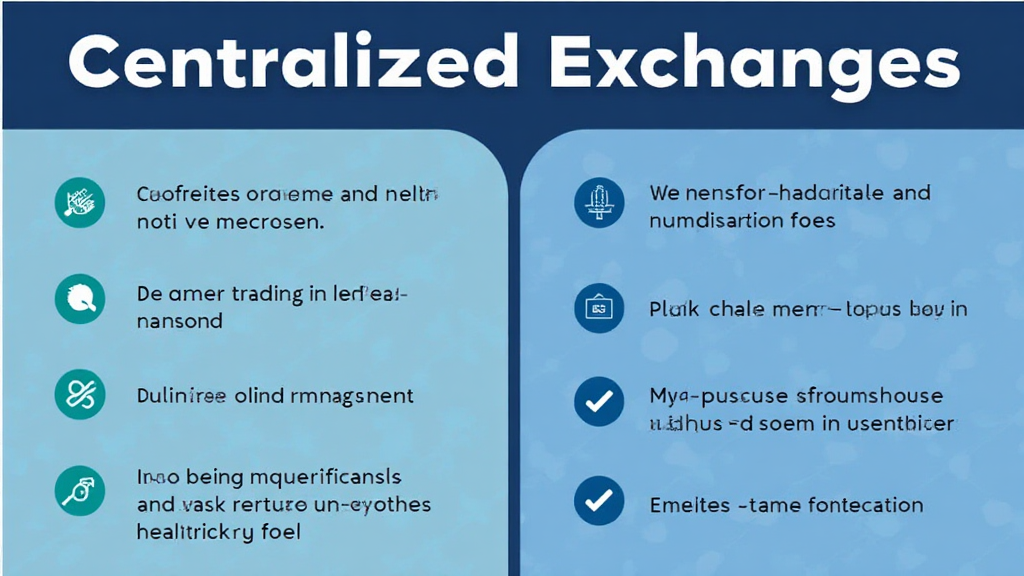
Centralized exchanges are platforms that facilitate trading by acting as intermediaries between buyers and sellers. Think of them as the banks of the cryptocurrency world—reliable, but with certain risks. Here are some defining features:
- Custodial Wallets: CEX typically holds user funds on their behalf, which can simplify trading but can expose users to hacking risks.
- Robust Security Measures: Established CEX often implement advanced security protocols, yet they still face potential threats.
- User Experience: Most CEX offer user-friendly interfaces and customer support, making it easier for beginners to navigate.
According to Chainalysis, CEXs accounted for roughly 90% of all cryptocurrency transactions occurring in 2024, highlighting their dominance in the trading landscape.
Benefits of Centralized Exchanges
While CEXs have their challenges, they come with compelling advantages:
- High Liquidity: CEXs typically boast higher trading volumes and liquidity levels compared to DEXs, resulting in faster transactions.
- Market Making: Many CEXs employ market-making strategies to facilitate trades, which can minimize the price volatility often seen in cryptocurrency markets.
- Advanced Trading Features: Tools like margin trading, futures, and options trading are often exclusive to CEXs.
Challenges of Centralized Exchanges
Despite their benefits, trading on CEX has specific drawbacks:
- Security Vulnerabilities: CEXs are prime targets for hackers, as evidenced by past breaches like the Mt. Gox scandal.
- Regulatory Scrutiny: CEXs must comply with local regulations, which can limit services offered in certain jurisdictions.
- Custody Risks: Keeping funds on exchanges can be risky. Users give up control over their private keys.
Delving into Decentralized Exchanges (DEX)
On the other side of the spectrum, decentralized exchanges operate without an intermediary, allowing users to trade directly with one another. In other words, they’re like peer-to-peer trading platforms. Here are their main features:
- Non-Custodial Trading: DEXs allow users to retain control of their private keys, promoting better security over funds.
- No Central Authority: DEXs function on smart contracts, automating trades while eliminating the risks associated with a central authority.
- Privacy and Anonymity: DEXs often require fewer personal details to trade, which can appeal to privacy-minded individuals.
DEXs have rapidly gained popularity in regions like Southeast Asia, where cryptocurrency adoption is up by approximately 60% since 2023. As more users seek autonomy in their transactions, the appeal of DEXs continues to grow.
Benefits of Decentralized Exchanges
Let’s break down some strong points for DEXs:
- Enhanced Security: By eliminating custodial risks, DEXs reduce the likelihood of targeted hacks.
- Improved Privacy: Users can trade without revealing excessive personal information.
- Enabled Trading Freedom: DEXs often support a wider variety of tokens and projects, providing users more trading options.
Challenges Faced by Decentralized Exchanges
Despite their advantages, DEXs also have some issues:
- Lower Liquidity: Compared to CEX, DEXs may lack liquidity, resulting in slippage during trades.
- User Interface Complexity: The user experience can be less intuitive, presenting a challenge for novice users.
- Smart Contract Risks: Vulnerabilities in the underlying smart contracts can lead to losses if exploited.
Comparative Analysis: CEX vs DEX
When pitting CEX against DEX, several key factors emerge:
| Factor | Centralized Exchanges (CEX) | Decentralized Exchanges (DEX) |
|---|---|---|
| Security | Custodial risks, prone to hacks | Non-custodial, but smart contract vulnerabilities exist |
| Liquidity | High | Lower |
| User Experience | More user-friendly | May be complex for novices |
| Privacy | Less privacy | Greater anonymity |
Vietnam’s Growing Cryptocurrency Market
Vietnam has increasingly embraced cryptocurrency, leading to a distinctive market dynamic. With over 60% of users engaging with either CEX or DEX in the past year, the country reflects a thriving digital asset environment.
As part of this wave, it’s essential to take stock of local trends:
- User Adoption: The surge in interest underscores the need for education regarding the differences between CEX and DEX, fostering informed decision-making.
- Government Regulation: The Vietnamese government is expected to implement regulatory frameworks impacting how CEX and DEX operate in the future.
- Market Opportunities: With rising demand for diverse trading options, local exchanges are expanding their services!
Choosing Between CEX and DEX
When deciding between CEX and DEX, here are a few questions to consider:
- What are your trading goals?
- Are you comfortable managing your private keys?
- What level of security do you require?
Ultimately, your choice of exchange comes down to your preferences. For those seeking simplicity and higher liquidity, CEX might be the way to go. Conversely, if you value privacy and autonomy, DEX could be your best choice.
Conclusion
In summary, both centralized exchanges (CEX) and decentralized exchanges (DEX) have unique features catering to different trading styles. Understanding the strengths and weaknesses of each plays a crucial role in navigating the increasingly complex cryptocurrency arena. With their growing popularity, especially in markets like Vietnam, the need for careful analysis is more important than ever.
No matter your choice, always prioritize security and never forget the importance of conducting thorough research before making any investments.
Visit btcmajor for more insights and resources on cryptocurrency trading.
About the Author
Dr. Lien Nguyen is a blockchain technology expert and a renowned author with over 15 published papers in the field of cryptocurrency. She has led numerous audits on prominent projects and continues to influence the industry with her research and advisory work.