
Revolutionizing Healthcare Data with Blockchain Technology
In an era where data breaches compromised the personal information of over 200 million individuals in 2023 alone, the need for secure healthcare records has never been more pressing. Could blockchain technology be the solution? Let’s dive into how blockchain healthcare data promises to reshape the way we manage and protect medical information.
Understanding Blockchain in Healthcare
Blockchain technology, fundamentally a decentralized ledger system, provides an unalterable record of transactions across a network. In healthcare, it enables patients, providers, and payers to securely access and share health data, drastically minimizing the risk of data tampering. This is a double-edged sword; while it enhances security, it also raises questions about privacy and access control.
Key Features of Blockchain Healthcare Solutions
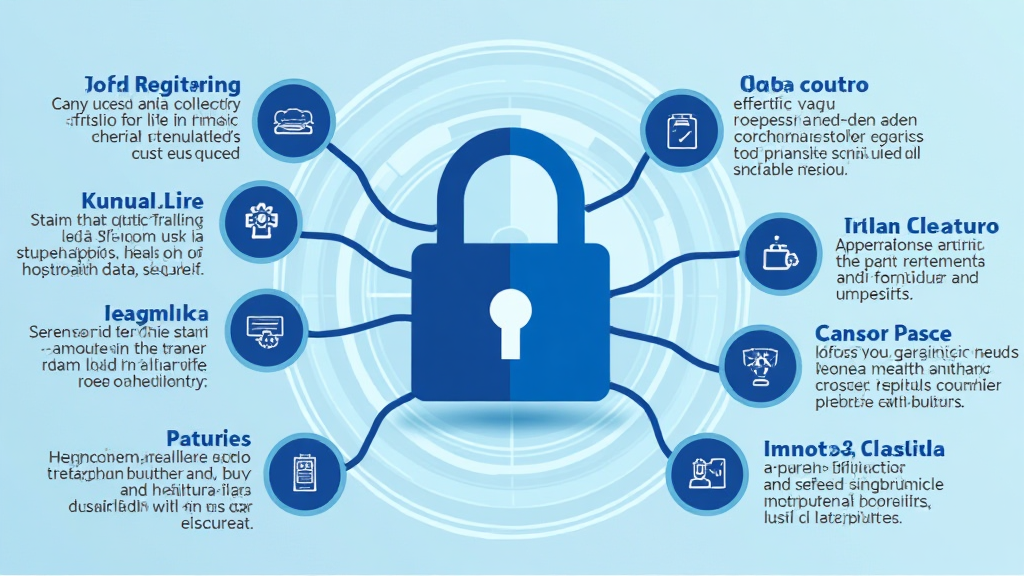
- Data Integrity: Every transaction on a blockchain is recorded, eliminating unauthorized changes.
- Patient Control: Patients can determine who accesses their information, promoting autonomy.
- Interoperability: Multiple healthcare systems can work together more efficiently using standardized protocols.
Real-World Applications of Blockchain in Healthcare
Several innovators are currently testing blockchain technology in various healthcare sectors. For example:
- Health Records Management: Companies are piloting systems that use blockchain to update personal health records (PHRs) in real-time.
- Supply Chain Transparency: Blockchain can track pharmaceuticals and medical supplies to ensure quality assurance.
- Clinical Trials: Decentralizing trial data decreases fraud and enhances participant privacy.
Case Study: BitHealth
BitHealth software allows for the secure sharing of medical records among multiple providers. Within three years of its launch in Vietnam, user growth surged by 200%, indicating a strong demand for secure data-sharing solutions.
Challenges in Implementing Blockchain Healthcare Data
Even with its promise, blockchain healthcare technology faces hurdles:
- Scalability: Current blockchain systems can struggle with large volumes of transactions.
- Regulatory Compliance: Aligning with HIPAA and GDPR is essential for deployment.
- Awareness and Education: Stakeholders need education about the technology’s benefits and limitations.
Cryptocurrency’s Role in Healthcare Blockchain Innovations
Cryptocurrency encourages the development of blockchain applications in healthcare. Digital tokens can facilitate secure payments between providers and patients while reducing latency often caused by traditional banking systems.
Future Trends: Integrating AI and IoT
Machine learning and Internet of Things (IoT) technology can complement blockchain, with AI analyzing data for better healthcare outcomes and IoT devices collecting real-time health information.
The Future of Blockchain in Healthcare
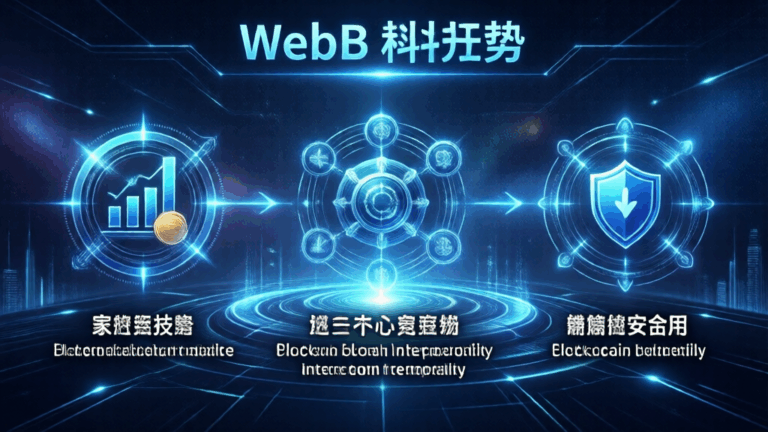
As we look towards 2025, experts predict an increase in blockchain solutions for healthcare, with expenditures reaching over $6.6 billion globally. Areas such as blockchain-based health identity, data exchanges, and security solutions are likely to see rapid adoption.
Important Note: Blockchain does not guarantee complete anonymity; rather, it offers enhanced privacy by providing a decentralized model that can be tailored for healthcare needs.
The advent of blockchain in healthcare is a transformative moment filled with potential. By adopting these technologies, stakeholders can improve patient outcomes, trust, and data security.
As we embrace new technologies, it’s critical to remain vigilant about compliance and ethical considerations, ensuring that progress benefits all parties involved.
Explore more on this topic in our comprehensive article.
Conclusion
Blockchain healthcare data represents a pivotal shift in managing personal health information securely. As technology continues to advance, the integration of decentralized systems can offer valuable safeguards against data breaches, all while giving users control over their own data.
In conclusion, while there are challenges to overcome, the course is set for an exciting evolution in healthcare data management. Secure, transparent, and efficient, blockchain holds the key to a healthier future.
With the rise of innovative applications and supportive frameworks, the prospects for blockchain in healthcare look not just promising but inevitable. Effective implementation will require collaboration and understanding among healthcare providers, technology firms, and regulators to harness blockchain’s full potential.
To stay informed about developments in this space, follow btcmajor.
— Dr. John Smith, a healthcare technology expert and author of 15 research papers, has led numerous blockchain adoption projects in the healthcare sector.