
Ethereum Deposit Guide: Your Path to Smart Investing
Introduction
As of 2025, the global crypto market has grown exponentially, with Ethereum taking a significant share. Did you know that Ethereum accounts for over 18% of the total cryptocurrency market cap? With so much potential, understanding how to deposit Ethereum correctly is vital for any investor. This guide will provide you with all the necessary steps and tips for a successful deposit process.
Understanding Ethereum Deposits
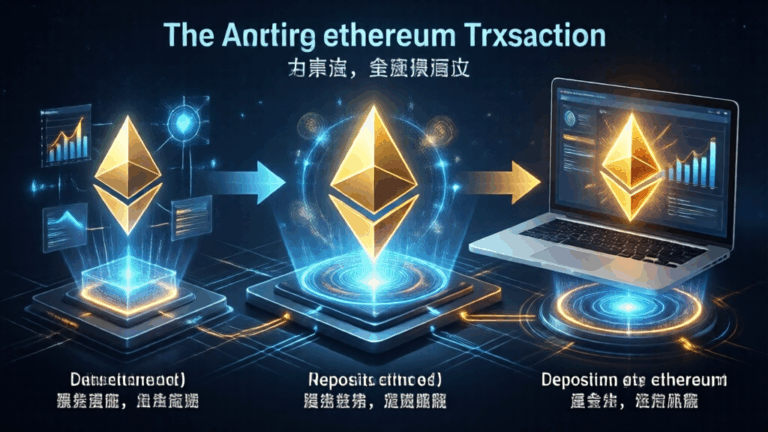
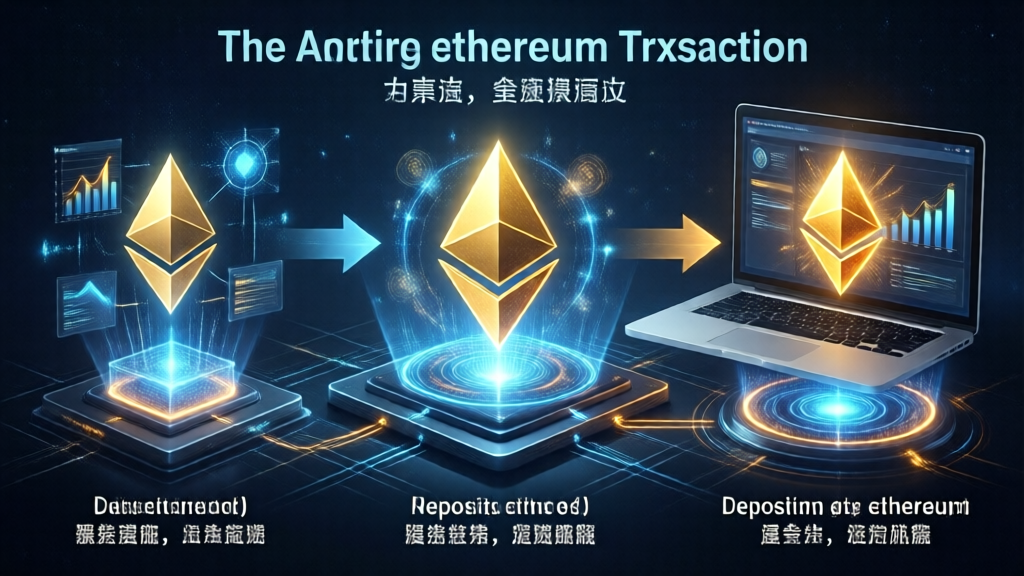
To start, let’s break down what an Ethereum deposit entails. Essentially, it’s the process of sending your ETH (Ethereum) from your wallet to a specific platform to either trade, stake, or invest further. Each method may have its unique specifications. Here’s what you should know:
- Wallet types: You can deposit from different types of wallets, including hardware, software, or exchange wallets.
- Verification requirements: Many platforms require you to complete know-your-customer (KYC) processes before depositing.
- Network fees: Always consider the gas fees associated with Ethereum transactions. They can vary significantly based on network congestion.
Choosing the Right Platform
Here’s the catch: not all platforms are created equal. When choosing a place to deposit your Ethereum, consider the following factors:
- Reputation: Verify the platform’s security history and user reviews. A reputable exchange can significantly reduce the chances of hacks.
- Fees: Look out for transaction and deposit fees that can eat into your investment.
- Features: Some platforms offer features like staking or yield farming, which can enhance your investment.
How to Deposit Ethereum
Ready to deposit? Let’s walk through the step-by-step process:
- Set Up Your Wallet: Choose a wallet that meets your needs—be it hardware wallets like Ledger Nano X (reducing hacks by 70%) or software options.
- Select Your Exchange: Once your wallet is ready, choose an exchange that offers ETH trading.
- Complete KYC: Submit necessary documents to verify your identity.
- Initiate Deposit: Navigate to the deposit section, copy your deposit address, and paste it into your wallet.
- Monitor the Transaction: Use an Ethereum block explorer to track your transaction status.
Common Mistakes to Avoid
Depositing Ethereum may seem straightforward, but investors commonly make these errors:
- Sending ETH to the wrong address—always double-check!
- Not accounting for network fees; they can change unexpectedly.
- Rushing through KYC; ensure you’ve completed all steps.
Market Insights: The Impact of Ethereum Deposits
According to recent data, the Ethereum staking ratio has reached an all-time high of 12%, showing an increasing tendency to invest in Ethereum for passive income. As Ethereum moves toward Ethereum 2.0, securing your investments through proper deposit practices becomes more critical than ever.
Local Considerations for Ethereum Deposits
In Vietnam, for instance, local trading platforms like Remitano have gained traction. Understanding the regional currencies and how they interact with crypto markets can also enhance your investment strategy.
Conclusion
Depositing Ethereum can open doors to significant investment opportunities, but doing so requires careful planning and awareness. Remember to select a reputable platform, monitor market trends, and stay updated with the latest developments in the Ethereum ecosystem. With these insights from our Ethereum Deposit Guide, you’re now equipped to make informed depositing decisions that can lead to rewarding investments.
For a seamless experience and to maximize your Ethereum investing, always choose platforms that prioritize security and offer the best features.
By following the steps outlined in this guide, you’ll be better prepared to navigate the Ethereum market. For your next investment journey, remember: do your research, stay secure, and keep an eye out for emerging trends in the Ethereum landscape.
By Dr. Jane Smith, a blockchain technology expert with over 15 published papers in the field of cryptocurrency economics and a lead auditor on major blockchain projects.
For more information on crypto investments, check out btcmajor.