
Introduction
As we delve into the world of NFTs and the Metaverse, it’s essential to recognize the significance of these technologies in today’s digital economy. Recent studies indicate that the NFT market experienced a staggering growth of over 700% in 2021 alone, reaching a valuation of nearly $41 billion. This explosive rise highlights the shifting landscape where digital assets are becoming increasingly relevant. So, what exactly are NFTs, and how do they integrate into the vast universe of the Metaverse? This guide aims to break it down, ensuring you understand the core concepts and their implications.
Understanding NFTs and Their Purpose
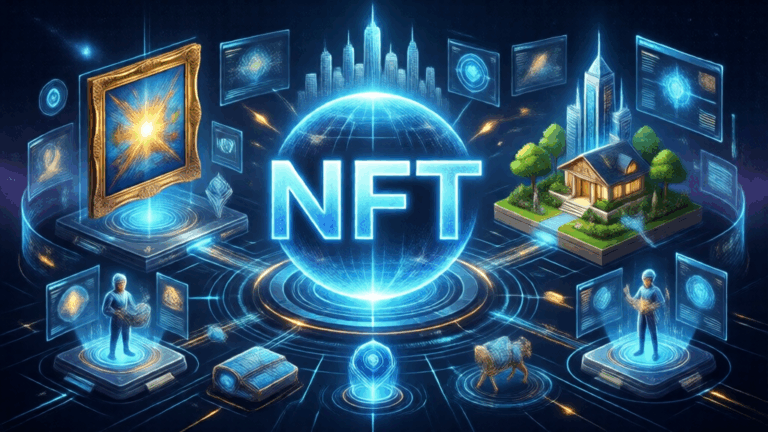
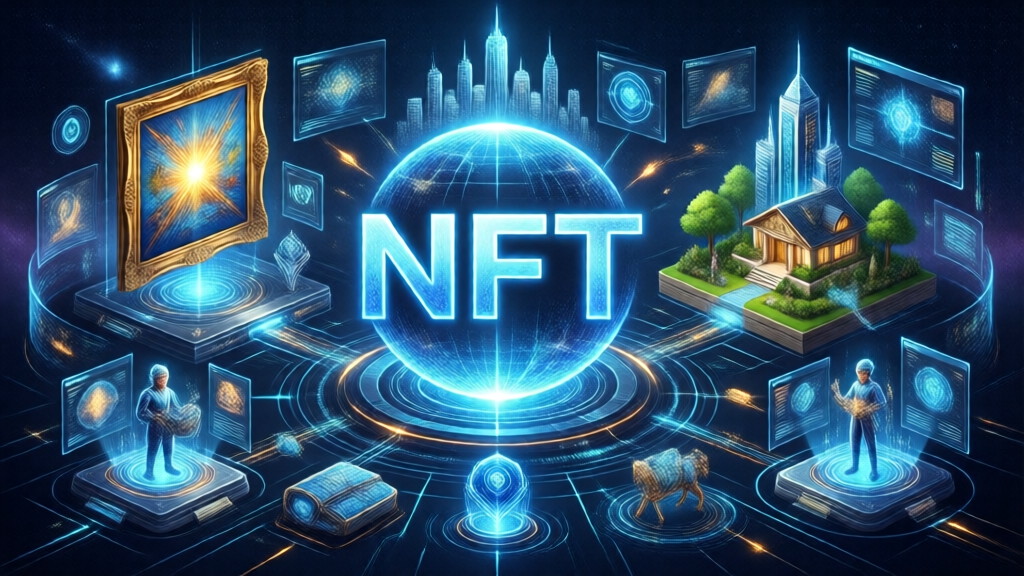
NFTs, or Non-Fungible Tokens, are unique digital assets verified using blockchain technology. Unlike cryptocurrencies such as Bitcoin, which are fungible and can be exchanged on a one-to-one basis, NFTs represent ownership of specific items or content, such as art, music, videos, and even virtual real estate.
- Uniqueness: Every NFT is unique or part of a limited series, granting it rarity in the digital world.
- Ownership: Blockchain technology provides an immutable record of ownership, making it easy to verify and transfer digital assets.
- Monetization: Artists and creators can monetize their work directly through NFT sales, eliminating intermediaries.
The Role of the Metaverse in NFTs
The Metaverse is a collective virtual shared space that is created by the convergence of virtually enhanced physical reality and physically persistent virtual reality. It includes augmented reality (AR), virtual reality (VR), and the internet, allowing users to interact in immersive environments. NFTs serve as the backbone of asset ownership within this digital universe.
Why are NFTs Essential for the Metaverse?
Here’s the catch: without NFTs, the ownership and transfer of assets in the Metaverse would be chaotic. Here are some key reasons why NFTs are crucial:
- Asset Ownership: Users can buy, sell, or trade digital assets confidently.
- Interoperability: NFTs can be utilized across different platforms within the Metaverse.
- Gamification: Users can engage in gaming experiences that reward them with NFT assets.
How to Create Your Own NFT
If you’re eager to dive into the NFT world, creating your own NFT can be an exhilarating experience. Here’s how to get started:
- Choose a Blockchain: Ethereum is the most popular, but consider options like Binance Smart Chain or Tezos.
- Select a Marketplace: Platforms like OpenSea and Rarible provide user-friendly interfaces for minting NFTs.
- Create Your Digital Asset: Design or choose artwork, music, or any file to represent your NFT.
- Mint Your NFT: Follow the marketplace instructions to tokenize your asset.
- List for Sale: Set a price or auction your NFT to potential buyers.
Real Use Cases of NFTs in the Metaverse
Let’s break it down with some practical applications:
- Virtual Real Estate: Platforms like Decentraland allow users to buy and sell virtual land as NFTs.
- Digital Art: Artists sell unique pieces, gaining royalties through secondary sales.
- Collectibles: Items in games like Axie Infinity are tokenized as NFTs, giving players true ownership.
Market Trends and Future Predictions
The NFT and Metaverse market is evolving rapidly. In 2022 alone, the global NFT market is projected to reach $122 billion. Factors driving this growth include increasing adoption of blockchain technology, the rise of virtual experiences, and a shift towards digital ownership trends.
Moreover, research shows that over 60% of collectors believe that NFTs will become the primary way to purchase art in the future. As more artists and brands enter the Metaverse, the need for NFTs will escalate, reinforcing the bond between ownership, creativity, and community.
Challenges in the NFT Metaverse
While the future looks promising, challenges remain:
- Environmental Concerns: The energy consumption of blockchain networks has led to calls for more sustainable practices.
- Regulatory Framework: The lack of clear legal guidelines poses risks for investors and creators.
- Market Volatility: Prices can fluctuate significantly, impacting the viability of investments.
Best Practices for Engaging with NFTs in the Metaverse
To make the most of your NFT experience, consider these best practices:
- Do Your Research: Understand the market trends and assess the value of NFTs before purchasing.
- Secure Your Assets: Use hardware wallets like the Ledger Nano X, which reduces hacks by up to 70%.
- Participate in Communities: Engage with communities on platforms like Discord and Twitter to stay informed.
Conclusion
The NFT Metaverse represents a revolutionary change in how we think about digital ownership and assets. As we’ve explored, NFTs not only facilitate ownership within this digital landscape but also drive innovation and economic opportunities. With ongoing advancements, the possibilities are limitless. Whether you’re an artist, a gamer, or an investor, understanding this ecosystem will empower you to navigate and leverage the NFT Metaverse effectively.