
Introduction
With a staggering $4.1 billion lost to DeFi hacks in 2024, investors are looking for safer ways to engage with cryptocurrencies. One innovative solution gaining traction is liquidity pools. But what are liquidity pools, and how do they function in the realm of cryptocurrencies? In this comprehensive guide, we’ll delve into the mechanics of liquidity pools and their role in decentralized finance (DeFi), making them an essential aspect of crypto trading.
What Are Liquidity Pools?
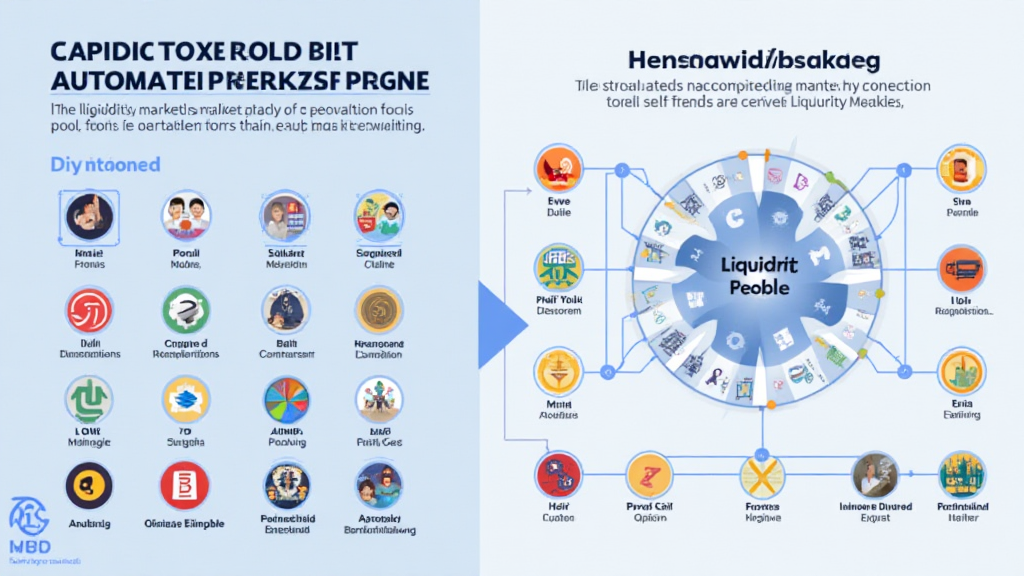
At its core, a liquidity pool is a collection of funds locked in a smart contract, enabling trading pairs on decentralized exchanges (DEX) without the need for traditional buyers and sellers. Think of liquidity pools as a bank vault for digital assets, where users can deposit their cryptocurrencies to earn rewards. But how do liquidity pools benefit users and the overall crypto ecosystem?
The Mechanism of Liquidity Pools
Liquidity pools operate on the principle of Automated Market Making (AMM). Users provide liquidity by depositing an equivalent value of two tokens into a pool. For example, if you’re adding liquidity to a ETH/USDT pool, you would need to deposit 1 ETH and its equivalent USDT value . This liquidity facilitates trades that can happen instantly without previous orders, allowing for continuous market activity.
Understanding AMM
Unlike order book exchanges, AMM replaces buyers and sellers with algorithms. This automated system calculates prices based on the ratio of tokens in the pool. As trades occur, the ratio shifts, creating a dynamic pricing mechanism. This means traders can execute trades at any time, as long as there’s liquidity available.
Benefits of Liquidity Pools
- Constant Liquidity: Always available for trading without requiring buyers or sellers to match orders.
- Decentralized Governance: Liquidity providers often earn governance tokens, giving them voting rights on future changes.
- Incentives: Many DEXes offer rewards such as fees or additional tokens to liquidity providers as an incentive.
Risks Associated with Liquidity Pools
While liquidity pools are a revolutionary concept, they don’t come without risks. One major concern is impermanent loss. This happens when the value of the deposited tokens changes compared to holding them in a wallet. If the ratio shifts significantly, liquidity providers might end up with less value than if they had held their assets outside the pool.
Evaluating Impermanent Loss
Here’s the catch: while impermanent loss can be a risk, it can sometimes be outweighed by the fees earned from providing liquidity. However, it’s crucial to perform due diligence. For example, a user could lose a substantial portion of their investment if market volatility is high.
Case Study: Vietnamese Market for Liquidity Pools
According to hibt.com research, Vietnam has seen a 45% increase in crypto adoption among users aged 18-34 in the past year. This surge highlights the growing interest in liquidity pools within the region, as Vietnamese crypto enthusiasts seek decentralized finance solutions to maximize their returns.
Growth of DeFi in Vietnam
As Vietnamese investors become more familiar with liquidity pools, the demand for user-friendly platforms has risen dramatically. Understanding local preferences and integrating advanced security features like tiêu chuẩn an ninh blockchain will be essential for developers aiming to capture market share.
How to Get Started with Liquidity Pools
For those looking to engage in liquidity pools, the process is relatively straightforward:
- Select a DEX: Research to find a decentralized exchange that suits your asset choice, such as Uniswap or PancakeSwap.
- Choose a Pool: Look for pools that provide attractive rewards with manageable risks.
- Deposit Your Tokens: Ensure that you understand the impermanent loss risk before depositing.
- Monitor Your Investment: Regularly check on the performance of your liquidity share and adjust as needed.
Best Practices for Liquidity Providers
Here are some tips for liquidity providers to enhance security and maximize potential returns:
- Use Reputable DEX Platforms: Platforms like Uniswap and SushiSwap have established reputations.
- Diversify Your Pools: Only invest in pools you understand and consider diversifying across various tokens.
- Stay Updated: Continuous learning about market trends and emerging projects can help you make informed decisions.
- Utilize Hardware Wallets: Ensure your assets are secure; using a device like the Ledger Nano X can help reduce hacks by 70%.
Conclusion
Liquidity pools are reshaping how traders interact with cryptocurrencies. With their ability to provide constant liquidity and decentralization, they are becoming increasingly popular in the DeFi landscape. However, with benefits come risks, especially related to impermanent loss. Therefore, investors must exercise critical thinking and risk management when considering participating in liquidity pools. As Vietnam continues to embrace cryptocurrencies, understanding concepts like liquidity pools will be paramount for both newcomers and seasoned investors alike.
Explore the world of liquidity pools and their integral role in crypto by visiting btcmajor today!
Written by Dr. Jane Smith, a blockchain analyst with over 15 published papers in crypto finance and a consultant for several notable DeFi projects.