
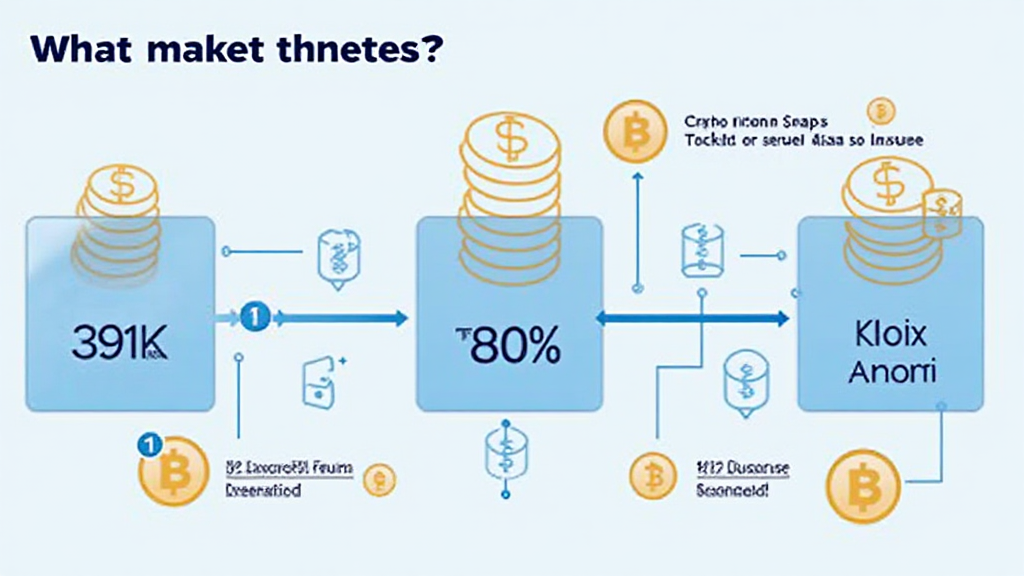

Understanding Crypto Total Return Swaps: Revolutionizing Digital Asset Investment
In recent years, the rise of cryptocurrencies has significantly impacted financial strategies across the globe. By the end of 2024, it was reported that approximately $4.1 billion was lost to security breaches within decentralized finance (DeFi) platforms. As the demand for effective investment strategies in crypto assets continues to surge, financial instruments like Crypto Total Return Swaps (TRS) are gaining popularity among investors and institutions alike. This article aims to provide a comprehensive understanding of Crypto Total Return Swaps, their mechanics, and their implications for future investment strategies.
What is a Crypto Total Return Swap?
A Crypto Total Return Swap is a financial contract between two parties where one party (the total return payer) agrees to pay the total return of a specified cryptocurrency or portfolio of cryptocurrencies to another party (the total return receiver). In exchange, the receiver pays the payer a fixed or floating rate of interest, plus any other costs associated with the transaction.
- Hedging Against Market Risks: Investors can hedge their positions against market risks without the need to actually own the underlying assets.
- Access to Additional Liquidity: TRS allows investors to gain exposure to cryptocurrencies like Bitcoin or Ethereum without having to undergo the complexities of buying or selling them directly.
- Flexibility in Investment Strategies: Financial institutions can create bespoke strategies to manage investments and risks more effectively.
How Do Crypto Total Return Swaps Work?
To better understand Crypto Total Return Swaps, let’s break down the transaction process:
- Contract Agreement: Two parties agree on the terms of the swap, including the duration, calculations of total returns, and interest rates.
- Return Payments: The total return payer transfers the total return derived from the underlying crypto asset to the total return receiver, including capital gains and any income generated (like staking rewards).
- Interest Payments: The receiver, in return, pays the fixed or floating rate interest back to the payer.
This mechanism is akin to using a leasing agreement for a car — although you don’t own the vehicle, you still gain all the benefits of having it.
The Benefits of Crypto Total Return Swaps
- Risk Management: Traders can use TRS to effectively manage exposure to price volatility in cryptocurrencies.
- Tax Efficiency: Crypto TRS can be structured to minimize tax liabilities associated with capital gains.
- Facilitating Investment: TRS can lower barriers for institutions and individual investors who wish to trade in cryptocurrency markets.
Market Growth in Vietnam
Vietnam has seen significant growth in cryptocurrency adoption. According to local reports, the country had a 300% increase in cryptocurrency users between 2021 and 2023. This growth indicates a burgeoning market need for financial instruments like Crypto Total Return Swaps, providing both retail and institutional investors with flexible and efficient investment opportunities.
Risks Involved with Crypto Total Return Swaps
While Crypto Total Return Swaps present numerous advantages, they also come with risks that participants should consider:
- Counterparty Risk: The risk that one party may default on the obligations defined in the TRS agreement.
- Market Risk: The underlying asset’s value may decline, which can impact the return received by the total return receiver.
- Regulatory Risk: Uncertainty surrounding the regulatory landscape for cryptocurrencies may affect TRS agreements.
Strategies for Utilizing Crypto Total Return Swaps
Investors and institutions aiming to leverage Crypto Total Return Swaps must develop effective strategies to maximize their benefits:
- Diversification: Utilize TRS to gain exposure to a range of cryptocurrencies instead of focusing on just one asset, reducing overall risk.
- Active Management: Regularly adjust positions based on market conditions — similar to adjusting a hedge for stock options.
- Risk Assessment: Continuously assess risks related to counterparties and market conditions to ensure that strategies are optimized.
Case Studies: Successful Implementation of Crypto Total Return Swaps
Let’s discuss real-world examples where Crypto Total Return Swaps proved beneficial. Many hedge funds have utilized TRS to implement their investment strategies without needing to physically hold the assets, enhancing liquidity while managing risk levels. Such structured financial instruments provide a competitive edge for institutional investors navigating the volatile crypto landscape.
Future Outlook of Crypto Total Return Swaps
Looking towards 2025, the adoption of Total Return Swaps is expected to rise significantly, particularly as regulatory frameworks become clearer and more investors recognize the potential benefits of using TRS in their portfolios. With an anticipated 40% growth in cryptocurrency investments in emerging markets, including Vietnam, investing through TRS could become a mainstream strategy.
Financial experts predict that the market for CRTR will expand alongside broader acceptance of blockchain technology and digital assets, suggesting a promising future for tactical trading strategies involving swaps.
Conclusion
In conclusion, Crypto Total Return Swaps represent a revolutionary approach to participating in the cryptocurrency ecosystem. By understanding their mechanics, benefits, and potential risks, investors can harness these innovative financial instruments to enhance their portfolios. Amidst the evolving regulatory landscape and growing adoption, here’s the catch — Crypto TRS might just be the toolkit you need to navigate the future of digital asset investment.
For those interested in learning more about the dynamics of cryptocurrency investments and governance, a comprehensive guide can be found at hibt.com. Notably, it’s essential to consult with local regulators and financial advisers before making significant investment decisions.
Author: Dr. Richard L. Green, a renowned financial analyst with over 15 years of experience in crypto asset management, has written more than 50 research papers on blockchain technologies and is a lead consultant for various high-profile crypto projects.